I’ve always had a soft spot for the quiet magic of watching things grow—whether it’s a stubborn seedling breaking through the soil or a well-tended garden bursting with color. My childhood summers were spent sneaking extra time in my grandpa’s backyard, where he’d let me dig in his vegetable patch (as long as I didn’t pull up the tomatoes before they were ready). Now, I run this site to share the joy of gardening in all its messy, rewarding glory—no green thumbs required. Expect practical tips, personal stories, and a healthy dose of trial-and-error wisdom.
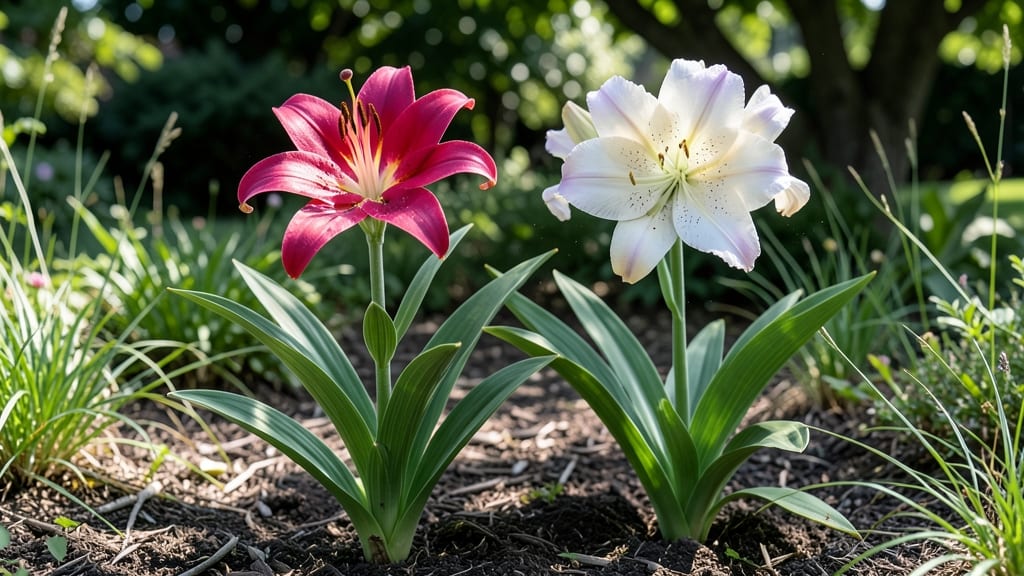
💥 Quick Answer Lilies bloom more than once only if they're reblooming varieties like Stargazer or Casa Blanca, which require specific growing conditions—well-draining soil, full sun exposure, and consistent moisture…
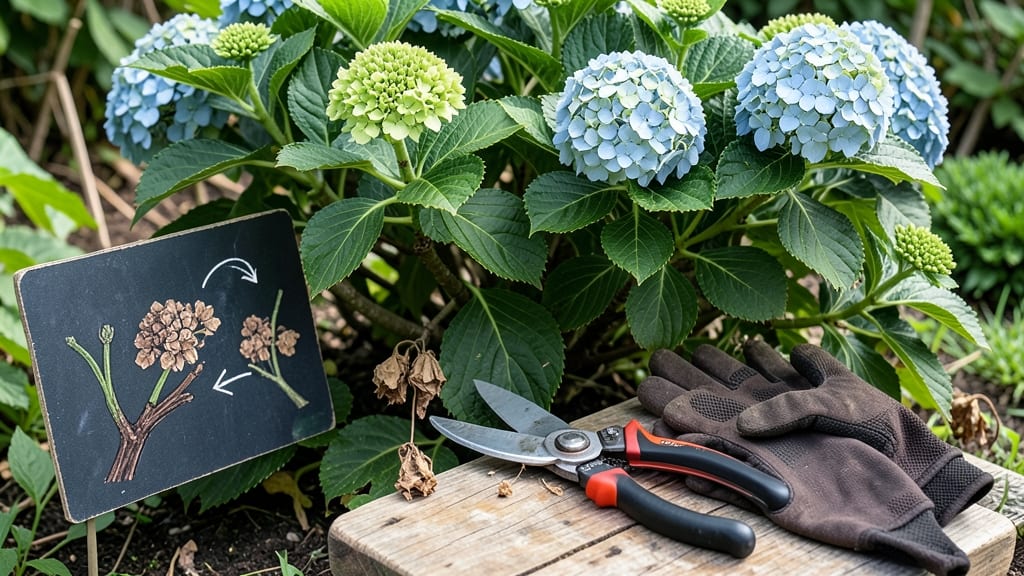
💥 Quick Answer Limelight hydrangeas bloom on old wood, meaning their flowers develop on previous year’s growth. Pruning too late or cutting back old stems removes potential blooms, while proper timing (late winter or…
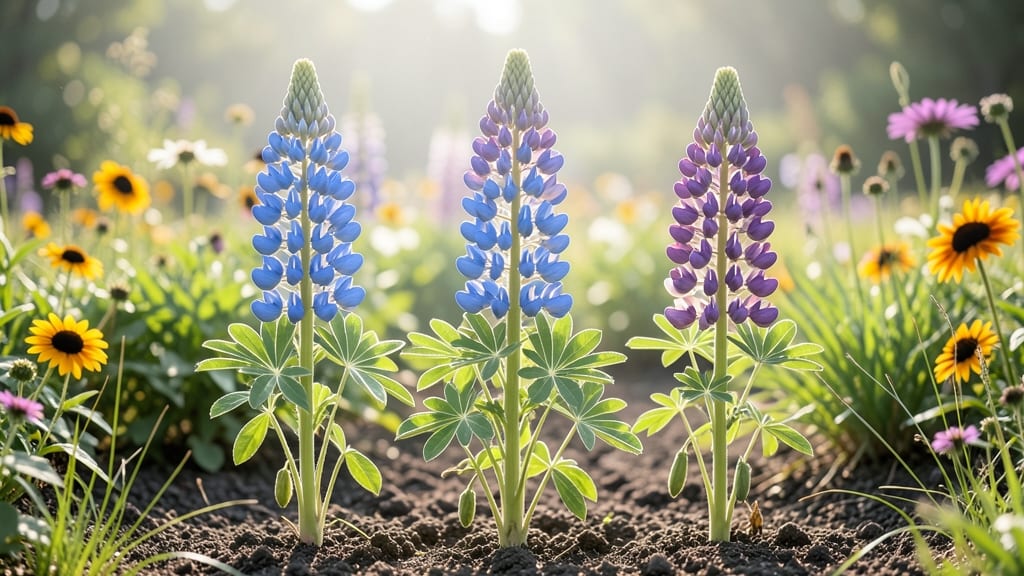
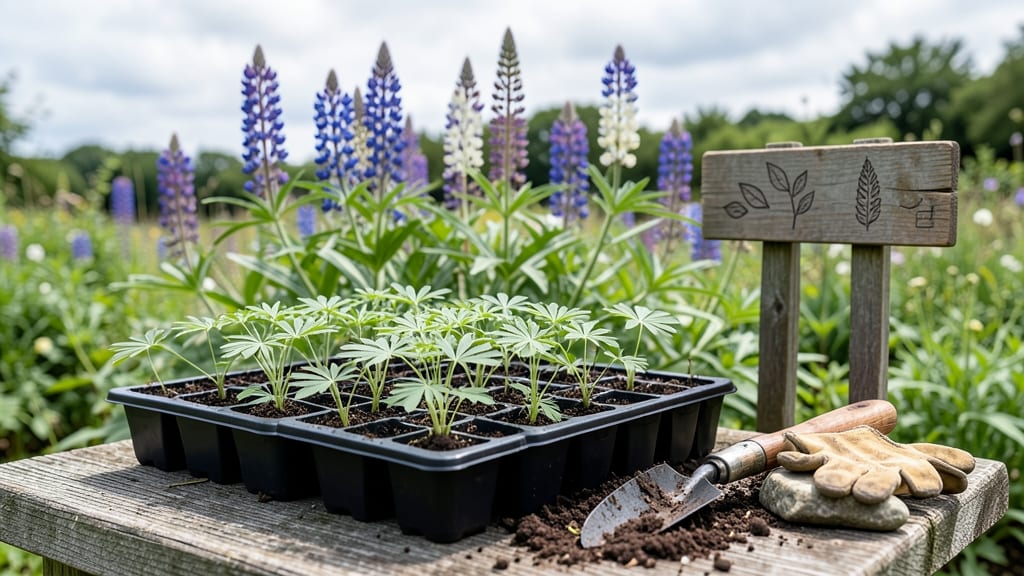
💥 Quick Answer Lupines don't bloom all summer—most varieties flower for just 4-6 weeks—but certain types like Lupinus polyphyllus ‘Russell Hybrid’ or Lupinus arboreus can produce sporadic reblooms into early summer with…
💥 Quick Answer Lupines bloom every year only if they're perennial varieties—annual types flower just once before dying. Most garden lupines are perennials, but they need cold treatment to trigger reliable regrowth after…
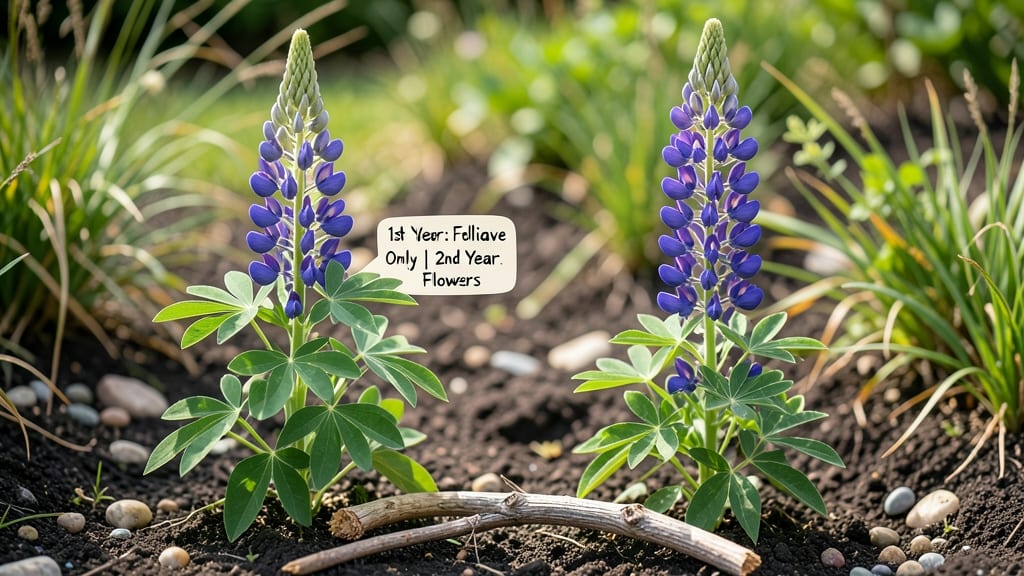
💥 Quick Answer Lupines do not bloom the first year in most cases, as they prioritize developing deep root systems and leafy growth for future flowering. Only compact varieties like 'Russell Hybrid' or 'Myrtle' might…
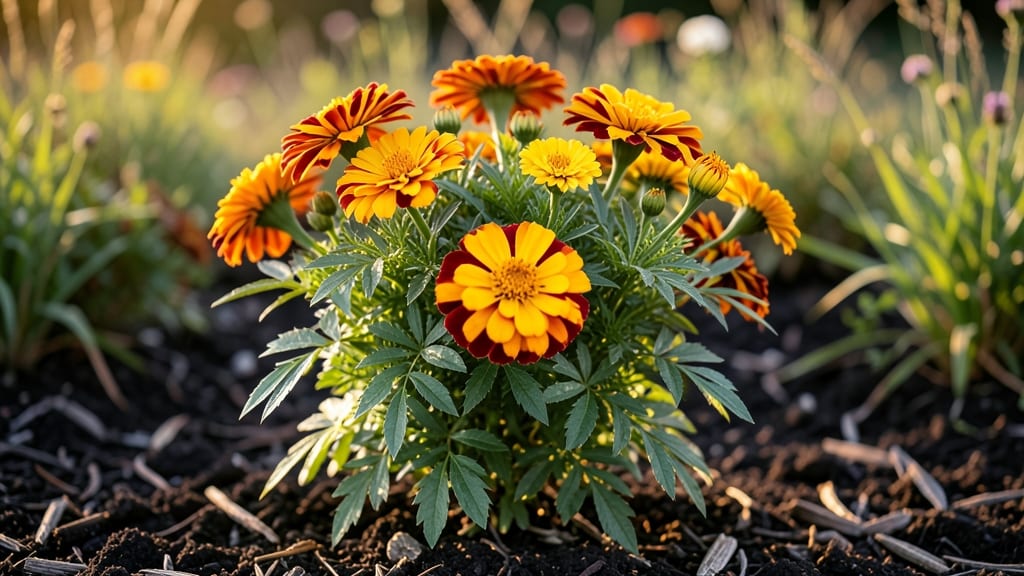
💥 Quick Answer Marigolds do bloom all summer in most climates, particularly French and African varieties, thriving in heat zones 3–11 with full sun exposure and well-drained soil. Regularly removing spent blooms keeps…
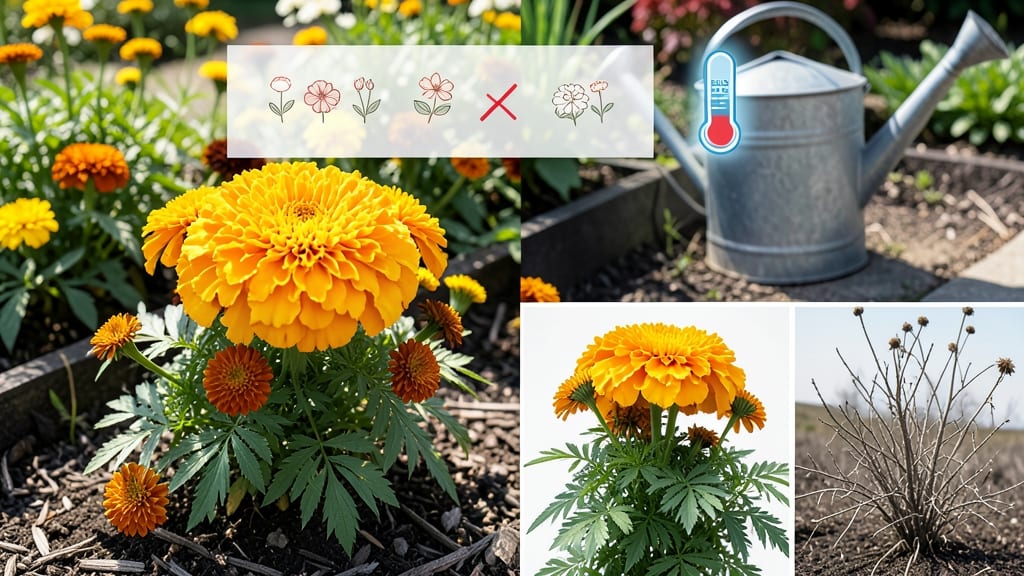
💥 Quick Answer Marigolds don't bloom all year in most climates, but they can flower continuously in tropical zones (USDA 10-12) and extended-season gardens in mild winters (USDA 8-9) with the right care. Cold weather or…
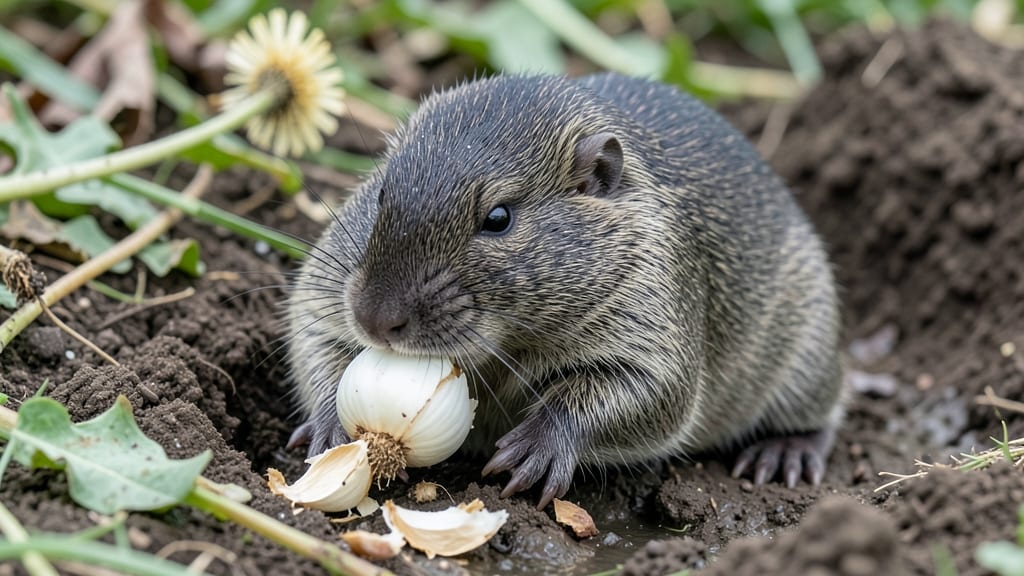
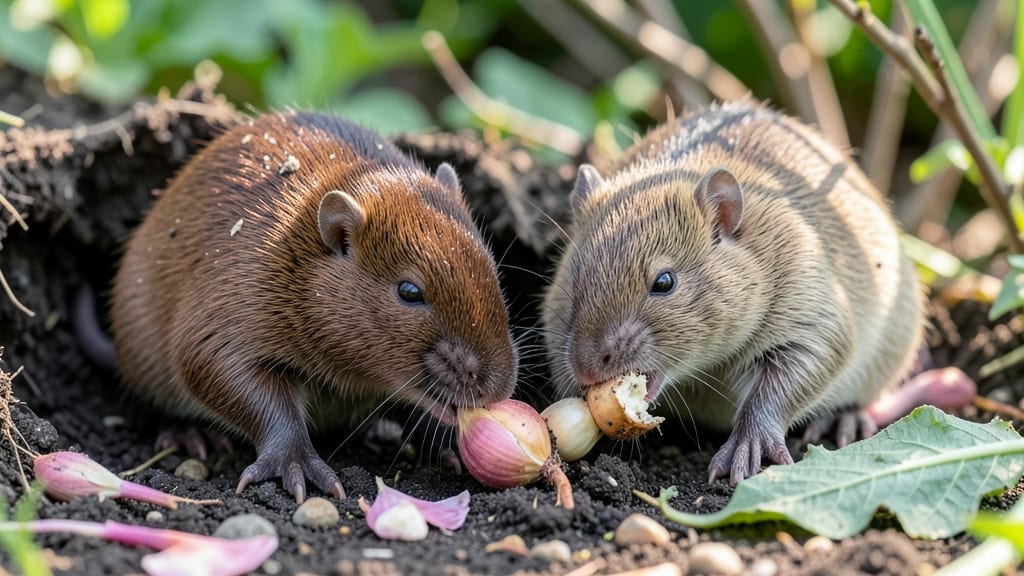
💥 Quick Answer Moles do eat bulbs, especially tulips, daffodils, and crocus, as they tunnel through soil and consume underground plant parts. Their feeding disrupts garden beds and weakens plant growth, often leaving…
💥 Quick Answer Moles do not eat flower bulbs directly, but their burrowing destroys bulb roots and disrupts soil, often killing plants. Their primary diet is earthworms, grubs, and insects, but their tunneling creates…
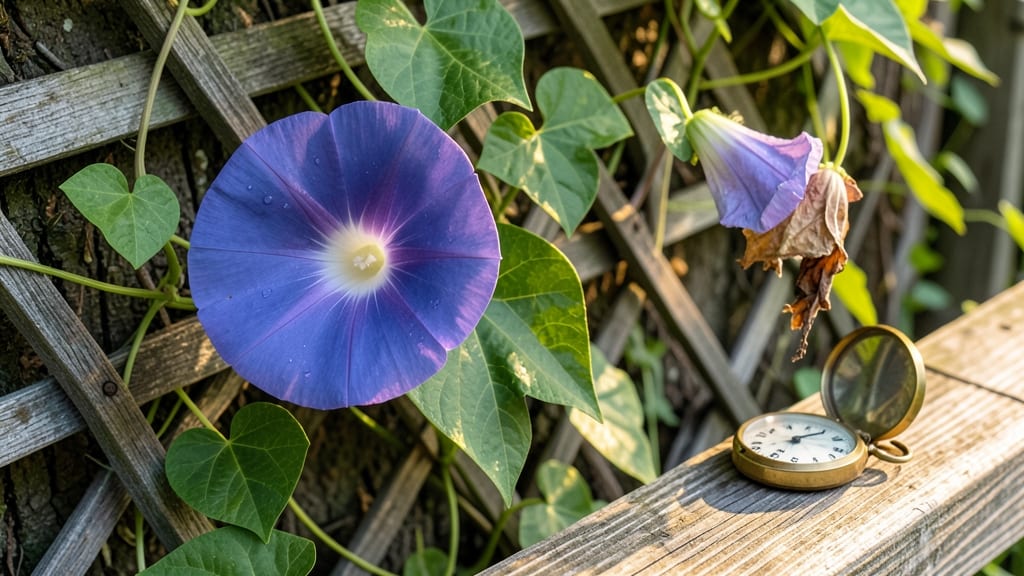
💥 Quick Answer Morning glories don't always bloom only in the morning—they often open in late afternoon or evening too, especially when conditions like temperature, humidity, and sunlight exposure shift. Certain…