
Pests
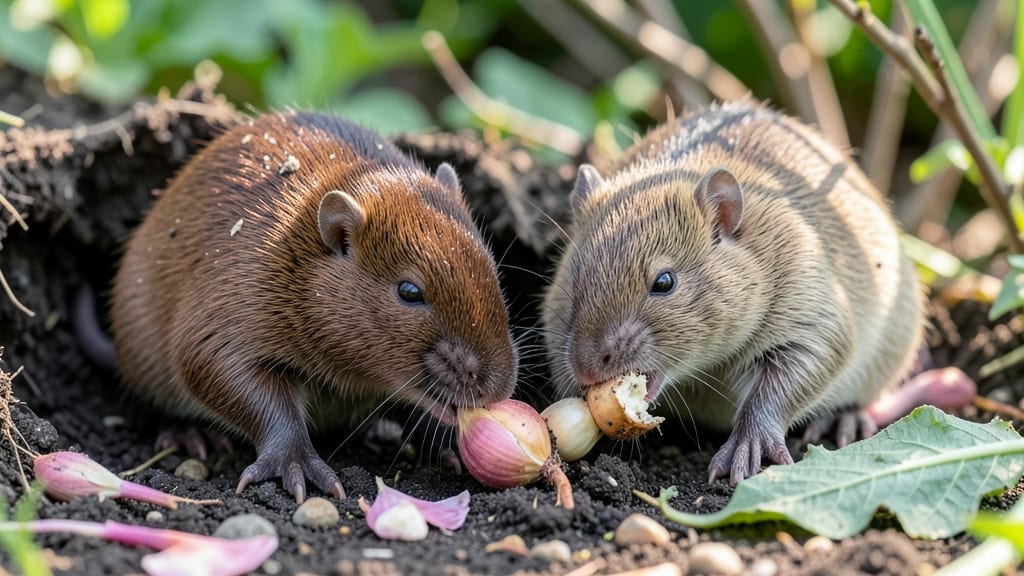
Moles do not eat flower bulbs directly, but their burrowing destroys bulb roots and disrupts soil, often killing plants. Their primary diet is earthworms, grubs, and insects, but their tunneling creates ideal conditions for bulb rot and pest access.
While moles won’t snack on your tulips or daffodils, their underground highways wreak havoc on flower bulbs by severing delicate roots and compacting soil—think of it like a bulldozer tearing through a garden’s plumbing. 🌱 The real damage happens when their tunnels disrupt drainage, leaving bulbs vulnerable to rot or inviting slugs and beetles to move in.
Even worse, repeated tunneling can push bulbs too close to the surface, exposing them to frost or drying out completely.
This isn’t just about lost blooms—it’s a cascading problem. For example, hyacinths planted in mole-active soil often fail to sprout the next season because their roots can’t establish properly.
The key is acting early: I’ve seen gardeners swear by burying hardware cloth around bulb beds or sprinkling castor oil around tunnels to deter moles without harming the plants.
💡 In This Article
- Mole Burrowing vs. Flower Bulb Damage: How It Happens
- Protecting Flower Bulbs from Mole Activity: Prevention Tips
Mole burrowing vs. flower bulb damage: how it happens
Moles primarily feast on earthworms, grubs, and insects—never flower bulbs—but their tunneling creates a silent disaster for plants. Their underground pathways, averaging 6-12 inches deep, slice through bulb roots like invisible razors.
For example, a single mole can create 17 feet of tunnels per day, severing the delicate vascular systems of tulips and daffodils that need uninterrupted nutrient flow to survive winter dormancy. 🌿
The real damage comes from soil disruption. Mole tunnels compact the earth around bulbs, reducing oxygen exchange by up to 40%—think of it like suffocating plant roots in a too-tight shoe. This compaction also prevents proper water drainage, creating pockets where bulbs rot.
Hyacinths, with their fibrous root systems, are especially vulnerable because their shallow roots can't reach deeper moisture when tunnels disrupt the soil structure.
Here's what most gardeners miss: mole tunnels act as superhighways for pests. The loose, aerated soil around burrows attracts slugs, beetles, and even voles, which then gnaw on bulbs directly.
I've seen mole-damaged beds where 90% of bulbs failed to sprout because the tunnels created perfect conditions for bulb-eating pests to move in after the moles left. The timing matters too—spring planting becomes risky when moles are most active.
Consider the science: bulbs like tulips store nutrients in their 1-2 inch diameter base. When a mole tunnel cuts through this area, the plant loses its ability to transport sugars and water.
Studies show that even a single tunnel within 6 inches of a bulb can reduce flowering by 50% or more the following season. The damage isn't just cosmetic—it's systemic, affecting the bulb's ability to regenerate.
What makes this worse is how tunnels accelerate decomposition. The disturbed soil around burrows creates anaerobic pockets where beneficial microbes can't thrive. Without proper aeration, bulbs develop soft rot caused by fungi like Fusarium, which thrives in these low-oxygen conditions.
The visual clue? Yellowing leaves before the plant even attempts to bloom—often the first sign gardeners notice something's wrong. 💀
The irony? Moles are actually helping your garden in small ways—they eat harmful grubs and aerate soil. But their tunneling creates a perfect storm for bulb failure.
The key difference is scale: while they might eat 50-100 grubs per day, their tunnels can affect hundreds of bulbs in the same area. It's not about what they eat—it's about what they leave behind.