
You have read a hundred of these
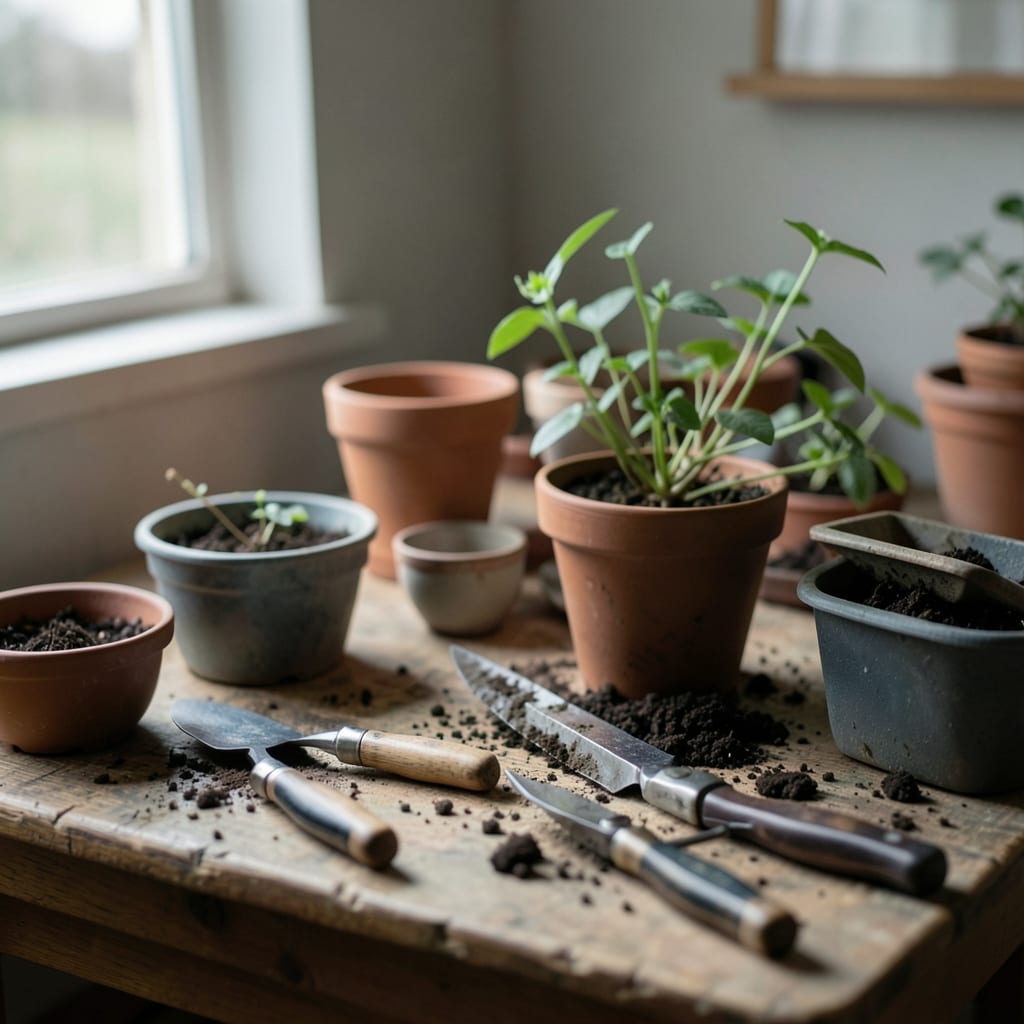
You’re right to be sceptical. Most gardening advice is written by people who’ve never failed, or who’ve forgotten how it feels to watch a whole batch of cuttings refuse to root. We haven’t.
The ‘tips’ here come from the times we *didn’t* get it right—the wilting basil, the tomatoes that split before they ripened, the compost heap that turned into a science experiment instead of soil.
But here’s the difference: we don’t pretend those mistakes never happened. Every ‘lesson’ you’ll read started with a plant that died, a season where nothing grew, or a tool that broke mid-task.
The only thing we’ve learned to hide is the compost bin’s smell after the third failed batch of worm farming.
This isn’t a place for polished photos of perfect rows. It’s where you’ll find the *real* answers: the ones that include the word ‘sometimes,’ the ones that say ‘dig deeper’ when the soil looks fine, and the ones that admit ‘I don’t know’ when the science gets fuzzy.
It’s the same lie every gardening site tells—until you try their ‘foolproof’ method and your seedlings rot in the tray.
Anyone can write that they test things
We test in a 6x4-foot raised bed in Zone 6b, with soil that’s 60% clay and 40% stubbornness.
The ‘greenhouse’ is a repurposed tool shed with a broken thermostat, and the ‘neighbour’ is my uncle, who *does not* steal tomatoes—he just ‘borrows’ them until they’re ready. (We’ve settled on a truce: he gets first pick of the overripe ones.)
Every method here has been tried at least three times in the same conditions—no ‘once in a perfect summer’ excuses. The ‘foolproof’ pruning guide? That’s from the year we lost 12 roses to black spot before figuring out the copper spray timing. The ‘easy’ compost guide?
That’s from the winter we dug up a shovel full of maggots because we skipped the carbon-nitrogen balance.
Numbers matter. If we say ‘water deeply twice a week,’ it means we’ve tracked soil moisture with a meter, not just guessed. If we say ‘mulch in early spring,’ it’s because we’ve seen what happens when you wait until the soil warms—and the slugs move in before the seedlings do.
It could mean one pot of petunias in July, or it could mean three years of failed strawberry beds, a greenhouse that floods every spring, and a neighbour who keeps stealing the tomatoes.
About the author

Yvette Kaminski runs this site after spending her childhood summers sneaking extra time in her grandpa’s vegetable patch—where the rule was ‘dig carefully’ and the punishment was pulling up the tomatoes before they were ready.
The rules we work by
- 1Fail first
Every ‘tip’ here started with a plant that died, a season where nothing grew, or a tool that broke. We keep the failures in the notes—literally, scribbled on the back of seed packets—and only share what worked *after* the mess.
- 2Measure the dirt
Soil pH, moisture, and temperature are tracked with a meter, not a guess. If we say ‘amend with compost,’ it’s because we’ve tested the soil’s nutrient levels—and yes, that means digging up chunks of your garden to prove it.
- 3Grow what’s local
No ‘exotic’ plants unless they’re proven in our climate. The ‘easy’ annuals here are the ones that survive our humidity, our pests, and the year we forgot to water them for three weeks. (The vinca made it. The impatiens did not.)
- 4Admit when we’re wrong
If a method doesn’t work the second time, it’s deleted—not rewritten. The ‘best’ fertiliser guide? That’s from the spring we overfed the peppers and watched them drop fruit before it ripened. We kept the numbers, not the pride.
- 5Teach the real work
No ‘sprinkle lightly’ without saying what ‘lightly’ looks like. If we recommend a tool, it’s because we’ve broken it—and still use it. The pruners? We’ve snapped three pairs before finding the ones that don’t dull after 50 cuts.
Last year, we broke Rule 3 when we planted a batch of ‘heat-loving’ peppers in full sun. They thrived—until the first frost hit early, and we lost half the crop to blackened leaves.
The next year, we moved them to a sheltered spot, tracked the microclimate with a data logger, and still got half the yield. That’s the kind of ‘right’ we aim for: not perfect, but *repeatable*.
This will not be right for everyone
Close this page if you want a garden that looks like a postcard—no weeds, no pests, no seasons where nothing grows.
This site is for people who’ve watched a seedling collapse overnight, who’ve dug up a ‘perfect’ bed only to find grubs, or who’ve given up on roses because the black spot keeps winning. If you’re here for ‘easy’ or ‘guaranteed,’ look elsewhere.
We’re here for the rest: the gardeners who’ve killed more plants than they’ve saved, who’ve sworn off tomatoes after the blight year, or who still don’t know why their compost smells like vinegar. The ‘lessons’ here are for people who’ve already tried the ‘foolproof’ methods—and found them failing.
You could just be told what you want to hear
We could say ‘plant in full sun’ without mentioning the years we’ve had to move containers to shade by noon. We could call mulch ‘essential’ without admitting it’s the one thing we’ve skipped—and then watched the soil crust over in a week. But that’s not how gardens work.
The ‘truth’ here is the messy, timed, sometimes frustrating part: the bits that don’t fit into a 30-second video or a Pinterest pin.
Worth telling us
- The exact time you realised your ‘drought-resistant’ succulents needed watering—even if it was 10pm on a Tuesday.
- The name of the plant that outlived your last three roommates, and why you still don’t know how it survived.
- The season where your ‘easy’ garden failed, and what you’d do differently next time—no excuses.
The guides are grouped by category: Blooming, Diseases, Fertilization, Flowers, How To and Landscaping.