
Blooming
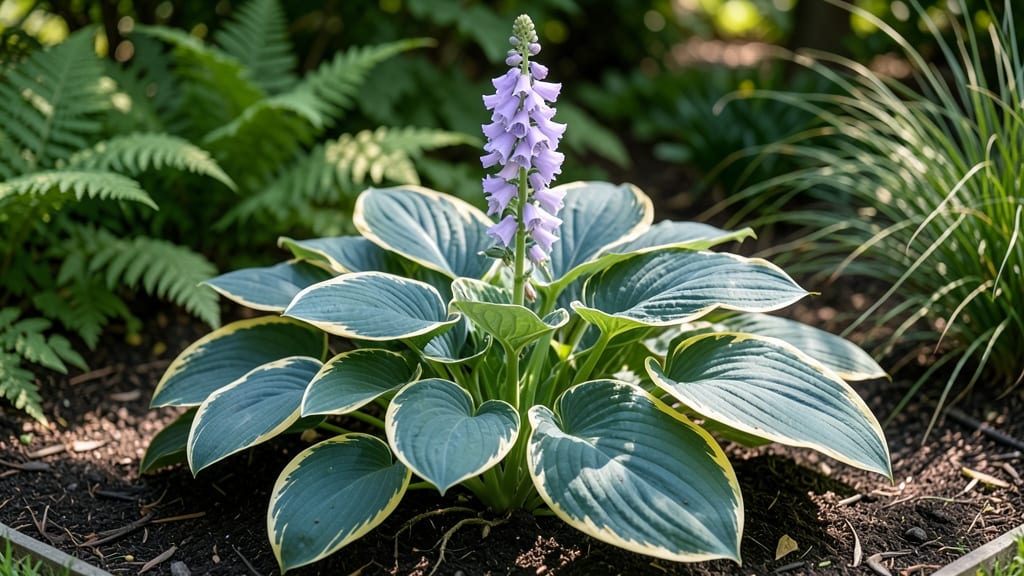
Hostas bloom in late summer, typically between July and August, when their delicate lavender or white flowers rise above the lush foliage 🌿 — but timing can shift dramatically depending on your zone and cultivar.
If you’ve ever scanned your garden in June expecting blooms and found nothing but broad leaves, you’re not alone. Many gardeners miss the fleeting 2-3 week window because hostas don’t follow a strict calendar—they respond to leaf maturity, sunlight, and even soil moisture.
In this guide, I’ll break down how to predict bloom time by leaf color and size, spot the early signs of flowering, and care for hostas to coax out those sought-after blooms year after year.
You’ll also learn why some hostas never bloom (and how to fix it), plus the best varieties for extending your summer floral display—because once those blooms appear, you’ll want them to last.
How leaf color & size determine hosta bloom time
Hostas are famous for their lush foliage, but their bloom time often surprises gardeners. The key to predicting when those delicate lavender or white flowers will appear lies in your hosta’s leaf characteristics.
Darker, more mature leaves typically signal readiness to bloom, while younger plants may wait years. Even leaf size plays a role—giant varieties often bloom later than their compact cousins.
Sunlight exposure is another critical factor. Hostas need partial shade to thrive, but too little light can delay blooming. A blue hosta with deep, vibrant foliage may bloom earlier than a pale green variety, as the intensity of pigments often correlates with plant maturity.
Understanding these patterns helps you anticipate—and even influence—when your hostas will flower.
🌿
If you’ve noticed your blue hostas developing richer hues by early summer, they’re likely preparing to bloom in late June or July. These varieties often mature faster due to their higher chlorophyll content, which accelerates energy storage for flowering.
In contrast, pale green hostas may wait until August because their slower metabolism delays nutrient allocation to flower production.
Leaf size also dictates timing. Giant hostas like 'Sum and Substance' with leaves spanning 18 inches may not bloom until mid-August, as their energy goes toward foliage growth first. Meanwhile, miniature varieties like 'Pandora' with 3-inch leaves often flower in early June, prioritizing reproduction over size.
This size-bloom correlation is especially noticeable in USDA Zones 5-7, where cooler temperatures further delay large-leafed varieties.
Sunlight exposure can shift bloom times by 2-4 weeks. Hostas in partial shade (3-6 hours of morning sun) typically bloom earlier than those in deep shade.
For example, a 'Francee' hosta in a north-facing bed might flower in late June, while the same plant in full shade could wait until July 15th. To encourage earlier blooms, gradually increase light exposure over 2-3 weeks in spring without causing leaf scorch.
Mature hostas—those 3+ years old—often bloom more reliably than younger plants. A 5-year-old 'Halcyon' with broad, wavy leaves will likely produce lavender flowers in July, while a 2-year-old of the same variety might skip blooming entirely.
This maturity factor explains why newly planted hostas sometimes take 2-3 years to flower, regardless of leaf color or size.
🌻
One common misconception is that darker leaves always mean earlier blooms. While this is often true, leaf variegation can disrupt the pattern. Hostas with white or yellow edges, like 'Blue Angel', may bloom later because their variegation requires extra energy for pigment production.
To counteract this, apply a low-nitrogen fertilizer in early spring to support both foliage and flower development.
For gardeners in warmer climates (Zones 8-10), bloom times can shift even further. Hostas here may start flowering as early as May if given consistent moisture and morning sun. However, heat stress after 90°F can cause buds to drop, delaying or preventing blooms entirely.
Mulching with 2-3 inches of organic matter helps maintain soil moisture and cooler root temperatures for consistent flowering.
🪴
Best hostas for early, mid-season, OR late blooms
Hostas surprise many gardeners with their delicate lavender blooms, but timing is everything. Some varieties burst into flower as early as late May, while others wait until August.
The key lies in selecting the right cultivar for your climate and extending their short bloom period with proper care. Whether you want summer-long color or a dramatic late-season show, these top-performing hostas deliver.
Early bloomers like 'Halcyon' and 'Francee' reward patient gardeners with flowers by June 1st, while late bloomers such as 'Blue Angel' shine in late August. Mid-season favorites like 'Guacamole' bridge the gap, offering blooms through July and August.
Understanding these bloom windows helps you plan garden rotations and pair hostas with complementary perennials.
- Early Bloomers (May-June): 'Halcyon' (white flowers), 'Francee' (lavender), 'Patriot' (blue-green foliage) – Perfect for cool climates where summers are short.
- Mid-Season (June-July): 'Guacamole' (chartreuse), 'June' (blue-green), 'Blue Angel' (blue foliage) – Thrives in moderate zones with consistent moisture.
- Late Bloomers (July-August): 'Blue Angel' (re-blooms), 'Royal Standard' (giant size), 'June' (reliable) – Ideal for hotter regions with extended growing seasons.
For early blooms, prioritize smaller varieties like 'Halcyon', which matures quickly and flowers within 2-3 years of planting. These compact plants thrive in partial shade and tolerate cooler temperatures better than larger cultivars. Pair them with ferns or heucheras to create a lush woodland understory.
Mid-season bloomers like 'Guacamole' offer the longest bloom duration—up to 4-6 weeks—when given consistent moisture and balanced fertilizer. Their vibrant foliage remains striking even after blooms fade, making them versatile garden workhorses. To extend their display, mulch with compost to retain soil moisture and reduce stress.
Late-season varieties such as 'Blue Angel' often re-bloom if conditions are ideal, producing second flushes in late summer. These plants benefit from afternoon shade in hot climates to prevent foliage scorch. Combine them with late-blooming asters or Japanese anemones for a sequential color show through fall.
Extend any hosta's bloom time by pruning spent flower stalks to 6 inches above the crown after blooming. This redirects energy to foliage production and encourages stronger growth next season. Avoid heavy pruning in fall, as hostas store nutrients in their leaves for winter resilience.