
Blooming
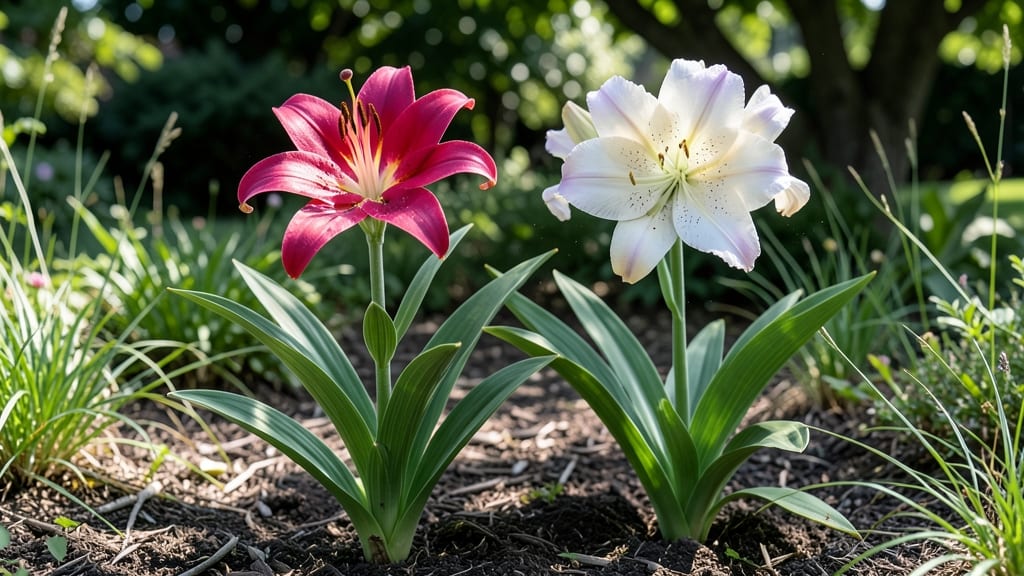
Lilies bloom more than once only if they're reblooming varieties like Stargazer or Casa Blanca, which require specific growing conditions—well-draining soil, full sun exposure, and consistent moisture. Most lilies naturally produce just one bloom cycle per year.
Not all lilies share the same blooming habits—it really depends on the variety. 🌸 Reblooming types are specially bred to produce multiple flower stalks throughout the season, but even they need perfect conditions to perform.
The key difference lies in their genetics: while single-bloom lilies focus all their energy on one spectacular show, rebloomers spread it out. I've seen Stargazer lilies in my garden produce three separate bloom cycles if I keep them well-fed and pruned correctly.
That said, even the best rebloomers may skip a second round if they're stressed by drought or poor soil.
What's interesting is how their care differs from seasonal bloomers. Reblooming varieties often need more frequent fertilization—every 4-6 weeks during growing season—to maintain energy for repeated flowering. And here's a pro tip: deadheading spent blooms (removing faded flowers) can actually encourage more blooms to form later in the season.
It's all about redirecting the plant's energy where you want it to go!
💡 In This Article
- Types of Lilies That Rebloom and Their Unique Traits
- Essential Care Tips to Encourage Repeated Lily Blooms
Types of lilies that rebloom and their unique traits
The ability to rebloom stems from specific lily classifications. Asiatic lilies, like 'Connecticut King' or 'Flamenco', are the most reliable rebloomers, producing 2-3 flower stalks per season when given ideal conditions.
Their blooms appear in early to mid-summer, with colors ranging from fiery reds to soft yellows, and they thrive in USDA zones 3-9. What sets them apart is their resistance to deer and rabbits—unlike many other varieties.
Oriental hybrids, such as the famous 'Stargazer', offer dramatic fragrance and exotic blooms but require more patience. These beauties typically produce 1-2 bloom cycles per year, with flowers lasting 7-10 days each. Their petals often curve backward, creating a stunning trumpet shape. The downside?
They're more susceptible to botrytis blight, a fungal disease that thrives in humid conditions. Trumpet lilies (like 'Regale') are another group known for reblooming, though their blooms appear later in the season—usually mid-to-late summer—and their strong fragrance can sometimes be overpowering in small gardens.
Martagon lilies (also called Turk's cap lilies) are unique because they often bloom twice naturally without extra care. Their nodding, cup-shaped flowers appear in early summer and sometimes again in late summer, though the second bloom may be smaller.
These lilies thrive in partial shade, making them perfect for woodland gardens where other rebloomers might struggle. The trade-off? Their blooms are typically smaller (2-3 inches across) compared to Asiatic or Oriental varieties.
What most gardeners don't realize is that even within reblooming categories, individual plants vary. A 'Casa Blanca' Oriental lily might produce 3-4 stalks in one season while another plant of the same variety only reblooms once.
This inconsistency often comes down to root development—plants with well-established root systems (typically 3+ years old) have the energy reserves to support multiple blooms. The key is giving them the right conditions from the start.
Color plays a surprising role too. Darker blooms (deep purples, blacks) tend to absorb more heat, which can stress the plant and reduce reblooming potential. Lighter colors (whites, soft pinks) reflect sunlight better, helping the plant conserve energy for future blooms.
This is why 'White Heaven' Asiatics often outperform their darker counterparts in hot climates.
For comparison, single-bloom varieties like Tiger lilies focus all their energy on one spectacular 6-8 week display in early summer. Their blooms are often more vibrant and longer-lasting per stalk, but they lack the prolonged show of rebloomers.
The choice between them depends on whether you prioritize intensity or duration in your garden displays.
Here's what I've learned from years of testing: The most reliable rebloomers combine Asiatic hardiness with Oriental fragrance—look for hybrids like 'Siberia' or 'Black Out' that bridge these traits. These varieties give you the best of both worlds: multiple bloom cycles with impressive visual and olfactory impact.