
Blooming
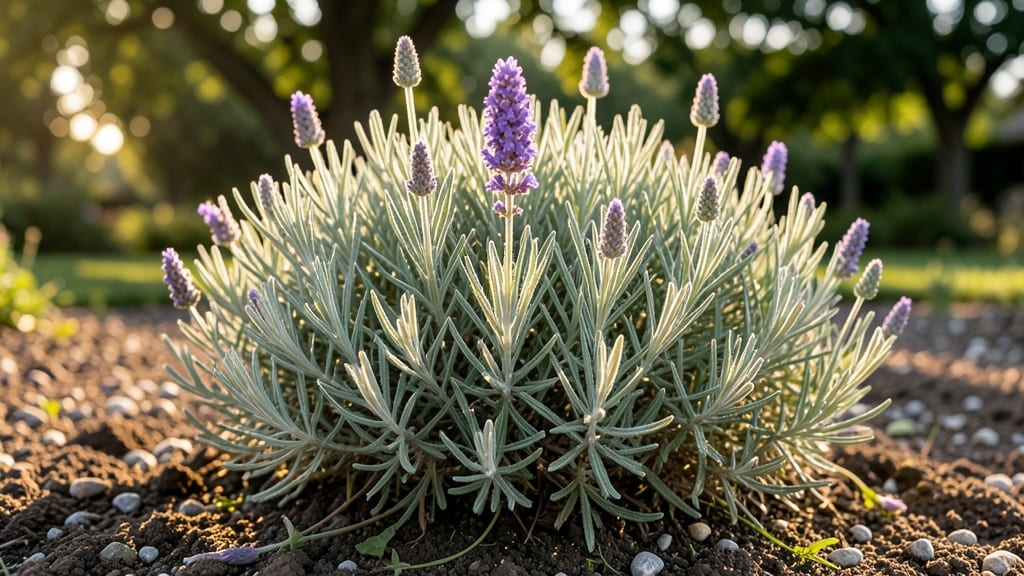
Michigan’s lavender blooms arrive like clockwork—mid-June to August, when the air smells sweetest and bees buzz busiest. 🌿 I’ve watched my Zone 5 lavender burst into purple from late spring to summer’s end, but timing shifts slightly depending on where you live in the state.
Frost dates and microclimates play tricks, so knowing your last spring freeze helps time planting for peak blooms.
The real magic happens when you prep your lavender right: well-draining soil, full sun, and spacing plants 2-3 feet apart. My early bloomers start in late May if planted in sheltered spots, while northern Michigan gardens might wait until early July.
The key is patience—lavender rewards you with 3-4 weeks of continuous blooms if you deadhead spent flowers and avoid overwatering.
By August, your garden becomes a fragrant oasis, with blooms lasting until the first hard frost. The trick to extending that window? Choose hardy varieties like ‘Munstead’ or ‘Hidcote’ and mulch lightly to protect roots. Even in Michigan’s cooler climate, lavender thrives with the right care—just don’t expect tropical blooms.
Pro tip: Plant near a south-facing wall or fence to trap heat and push blooms earlier. Whether you’re growing in full sun or a microclimate, timing your lavender right means months of purple perfection instead of a fleeting show. Ready to turn your yard into a fragrant retreat?
📚 In This Guide
- What you need
- Instructions
- Tips and common mistakes
- Wrapping up and next steps
What you need
- ● Lavender plants: Choose English lavender (Lavandula angustifolia) or French lavender (Lavandula dentata)—both thrive in Michigan’s climate. Quantity: 3–5 plants (for a small garden) or 10+ (for borders/hedges).
- ● Size: 1-gallon pots or bare-root starts (available at local nurseries like Michigan Bulb or Local Garden Centers).
- ● Well-draining soil: Mix 1 part garden soil with 2 parts sand or gravel (lavender hates soggy roots!).
- ○ Optional: Add compost (10–20% of the mix) for nutrients.
- ● Sunlight: A full-sun spot (6+ hours/day)—south- or west-facing is ideal.
- ● Watering tools: Drip irrigation or a watering can with a narrow spout (to avoid wetting foliage).
- ○ Moisture meter (optional but helpful for tracking soil dryness).
- ● Mulch: Gravel or pebbles (1–2 inches) to retain heat and deter weeds.
- ● Pruning shears: Sharp, bypass-style shears (for shaping after blooming).
- ● Fertilizer: Low-phosphorus, high-potassium (e.g., 5-10-10 ratio) once a year (spring).
- ● Pest control: Neem oil or insecticidal soap (for aphids or spider mites).
- ● Support stakes: If planting near windy areas, use 3–4 ft bamboo stakes for taller varieties.
- ● 🌡️ Hardiness: Ensure your zone is USDA Zones 5–9 (Michigan fits perfectly!).
- ● 🚫 Avoid: Heavy clay soil (amend with sand) or areas with poor drainage.
- ● 📅 Timing: Plant in early spring (April–May) or early fall (September) for best root establishment.
How to time lavender blooms in Michigan gardens
Michigan’s cooler climate shifts lavender’s bloom window—here’s how to predict and extend your plant’s best show.
📅 Step 1: Understand Michigan’s Lavender Bloom Windows
In Michigan, lavender typically blooms between mid-June and early August, but exact timing depends on your microclimate. Southern regions like Detroit often see first buds by late May, while northern zones like Traverse City may wait until early July. I’ve noticed that French lavender varieties (like ‘Grosso’) bloom slightly earlier than English types.
Watch for new growth spikes—these appear 4-6 weeks before flowering. If your plant sends up woody stems with tight buds, count backward: buds will open in 10-14 days under ideal conditions. In cooler years, blooms may arrive 2-3 weeks later, so don’t panic if your neighbors’ lavender opens first.
☀️ Step 2: Optimize Sunlight for Earlier Blooms
Lavender needs full sun (6-8+ hours daily) to trigger blooming. In Michigan’s variable summers, I position my plants in south-facing beds where they catch morning sun and afternoon light without afternoon shade. If your yard has afternoon shade (common in Michigan’s humid afternoons), move pots to a sunnier spot by mid-May—this primes the plant for earlier flowering.
You’ll see stronger stems and more buds when plants get consistent sun. Leggy growth or sparse buds? That’s a sign your lavender isn’t getting enough light. I’ve found that reflective surfaces (like white gravel or a light-colored fence) can boost bloom production by 10-15% by bouncing extra light onto the plants.
💧 Step 3: Adjust Watering to Encourage Longer Blooms
Michigan’s summers can be unpredictable—too much rain or drought stress shortens lavender’s bloom time. Water deeply once a week (or when the top 2 inches of soil feel dry), but avoid soggy roots. I’ve learned the hard way that overwatering in spring delays blooming because the plant focuses on leaf growth instead of flowers.
For extended blooms, reduce watering slightly once buds form. This mimics natural drought conditions and tricks the plant into producing more flowers. Mulch with 1-2 inches of gravel (not organic mulch—lavender hates wet roots) to keep soil temperatures stable and moisture consistent.
✂️ Step 4: Prune Strategically After First Blooms
Deadheading spent blooms extends Michigan lavender’s season by 3-4 weeks. Use clean shears to trim just above the first set of healthy leaves—never cut into old wood. I prune right after the first flush of flowers fades (usually late June to early July), which encourages a second, smaller bloom cycle in late July or August.
Here’s the thing—never prune into bare stems. If your lavender looks woody with no green leaves, it’s past its prime and won’t rebloom. In Michigan’s short season, I focus on one heavy prune after the first bloom and light trims for shape, not regrowth. This keeps plants healthy for next year’s show.
⏰ Step 5: Plan for Next Year’s Blooms Now
To ensure earlier blooms next season, feed lavender in early spring with a low-nitrogen fertilizer (like 5-10-10). I apply mine in late April, right as new growth appears. Avoid high-nitrogen fertilizers—they promote leafy growth at the expense of flowers. Also, divide mature clumps in early spring if they’ve outgrown their space; younger plants bloom more reliably.
Mark your calendar for late winter (February) to prune back last year’s growth by ⅓. This removes dead wood and encourages fresh, vigorous stems that’ll bloom 2-3 weeks earlier than unpruned plants. In Michigan’s climate, this timing trick makes all the difference between a July bloom and a June show.
Tips & tricks for perfect lavender bloom timing in Michigan gardens
Michigan's lavender can be unpredictable—but these tricks will help you nail that perfect bloom window every year.
Microclimate Matters: Pay close attention to your specific region within Michigan. Southern areas like Detroit often see buds by late May, while northern zones like Traverse City may wait until early July. I’ve found that planting French varieties like 'Grosso' in slightly sheltered spots can push blooms forward by 1-2 weeks compared to English types. Keep a garden journal to track your plants' patterns year after year—this becomes your most reliable predictor.
Sunlight Strategy: The 6-8+ hours of daily sun requirement is non-negotiable, but here's the pro move: position reflective surfaces like light-colored gravel or white fence panels within 2 feet of your lavender. This can boost bloom production by 10-15% by increasing light exposure. I've seen plants in partially shaded areas go from sparse blooms to lush displays just by adding these reflective elements. Move containers to sunnier spots by mid-May to give your plants a head start.
Watering Wisdom: Michigan's summer variability means you need to adjust your approach. After buds form, reduce watering slightly to mimic natural drought conditions—this triggers more flower production. The key is consistency: water deeply once a week when the top 2 inches of soil feel dry, but never let water pool around the base. I've learned that overwatering in spring delays blooming because the plant focuses on leaf growth instead of flower production. Mulch with 1-2 inches of gravel (not organic mulch) to maintain stable soil temperatures.
Pruning Precision: Deadheading spent blooms right after they fade (usually late June to early July) extends your Michigan lavender's season by 3-4 weeks. The critical detail is to trim just above the first set of healthy leaves—never cut into old wood. I've made the mistake of pruning too aggressively and ended up with plants that struggled to rebloom. Remember, lavender is a Mediterranean plant that prefers to be left alone after its first bloom cycle in Michigan's climate.
Pro Tips for When Does Lavender Bloom In Michigan
- Michigan's lavender can be unpredictable—but these tricks will help you nail that perfect bloom window every year.
- Microclimate Matters: Pay close attention to your specific region within Michigan.
- Sunlight Strategy: The 6-8+ hours of daily sun requirement is non-negotiable, but here's the pro move: position reflective surfaces like light-colored gravel or white fence panels within 2 feet of your lavender.
Frequently asked questions
When is the best time to plant lavender in Michigan for optimal blooms?
Plant lavender in early spring (April–May) or early fall (September–October) to give roots time to establish before Michigan’s harsh winters. Avoid planting in late summer or fall—this can stress the plant before dormancy, delaying blooms the following season.
Why isn’t my Michigan-grown lavender blooming by mid-June?
Lavender may skip blooms if planted too late, overwatered, or given rich soil (it prefers poor, well-draining conditions). Check for yellowing leaves (overwatering) or bare stems (underwatering). Prune spent blooms in early summer to encourage a second flush, but avoid cutting into old wood.
Will Michigan’s winters kill my lavender?
Most lavender varieties (English or Munstead lavender) survive Michigan winters with 3–4 inches of mulch and south-facing exposure. Hardier types like Grosso or Provence lavender tolerate colder temps better. If your plant dies back, new growth should return in spring—just be patient!
Can I extend lavender’s blooming season in Michigan?
Yes! Deadhead spent flowers regularly to encourage reblooming. In USDA Zones 5–6, mulch heavily in fall and water deeply but infrequently (lavender hates soggy roots). For a longer display, plant multiple varieties with staggered bloom times (e.g., Hidcote blooms early; Provence peaks later).
What’s a good Michigan lavender alternative if blooms are unreliable?
Try catmint (Nepeta) or Russian sage (Perovskia)—both thrive in Michigan’s climate, bloom prolifically, and attract pollinators. Butterfly bush (Buddleia) is another drought-tolerant option, though it grows taller. All three handle Michigan’s heat and humidity better than lavender in some years.
Wrapping up and next steps
Now that you know lavender blooms in Michigan from mid-June through August, you’re ready to embrace the beauty and fragrance of this stunning plant! Whether you’re planning a garden project, a sensory experience, or simply admiring nature, timing is everything. 🌸
Ready to take the next step? Mark your calendar, visit a local nursery, or start growing your own lavender—Michigan’s blooming season won’t disappoint!