
Blooming
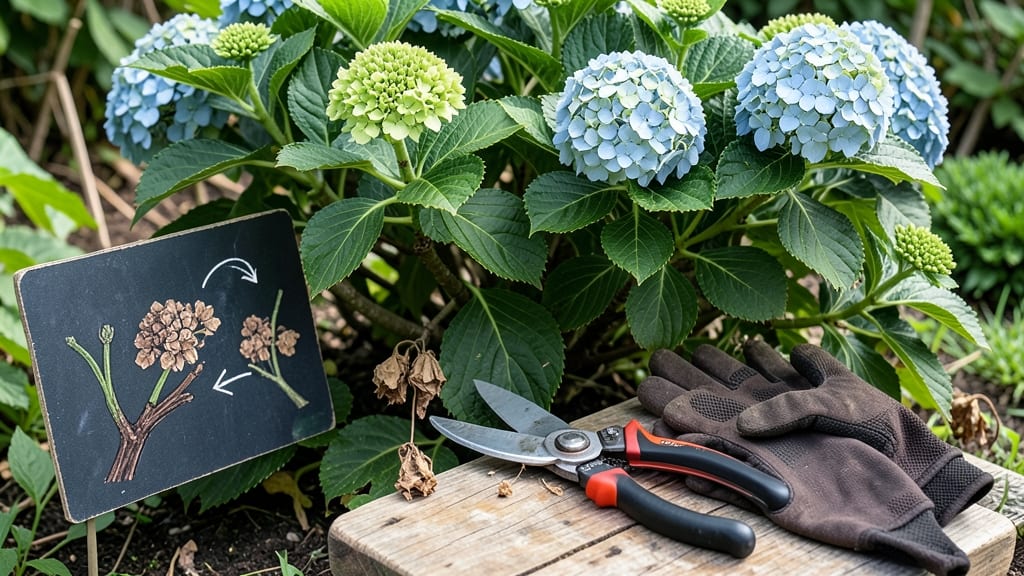
Limelight hydrangeas bloom on old wood, meaning their flowers develop on previous year’s growth. Pruning too late or cutting back old stems removes potential blooms, while proper timing (late winter or early spring) preserves flowering potential.
Limelight hydrangeas are what gardeners call "old wood bloomers," meaning their flower buds form during the previous growing season. 🌸 This explains why aggressive pruning—especially in late spring or summer—can strip away next year's blooms before they even develop.
Unlike reblooming varieties (such as Endless Summer), Limelights produce their showiest flowers on stems that matured the year before, so patience and strategic pruning are key to maintaining those dramatic lime-green blooms.
Here's the secret: when you prune at the right time (late winter or early spring, before new growth starts), you're actually preserving the stems that will produce this year's flowers.
Cutting back too late in the season risks removing those dormant buds entirely, leaving you with sparse or no blooms the following year. Think of it like planning ahead—your pruning decisions today determine next summer's floral display.
💡 In This Article
- Why Limelight Hydrangeas Rely on Old Wood for Blooms
- Best Pruning Practices to Encourage Limelight Hydrangea Blooms
Why Limelight hydrangeas rely on old wood for blooms
Limelight hydrangeas belong to the Hydrangea paniculata family, which are classified as "old wood bloomers."
This means their flower buds form in late summer or early fall on the previous year's growth, not on new spring shoots. 🌿 During the dormant winter months, these buds remain protected beneath the bark, waiting for warmer temperatures to trigger growth.
The stems themselves act as a reservoir for nutrients and energy, ensuring robust blooms when conditions are right.
The key difference lies in the timing of bud development. While reblooming varieties like Endless Summer produce flowers on both old and new wood, Limelights rely entirely on mature stems. Cutting back these stems too aggressively—especially in late spring or summer—removes the buds before they can develop.
For example, a 12-inch stem pruned in June might contain dozens of dormant buds that would have bloomed next summer, but they're gone forever once the cut is made. 🌸
This botanical quirk explains why Limelights often produce their most dramatic blooms in late summer or fall, when temperatures are cooler and humidity is higher. The flower buds need a period of cold dormancy (typically 4-6 weeks below 40°F) to properly set for the following season.
Skipping this process—through improper pruning or insufficient winter chilling—can result in sparse or weak blooms the next year.
Another critical factor is the plant's energy allocation. Limelights invest heavily in stem development during their first growing season, storing carbohydrates in the woody tissue. These reserves fuel both the plant's growth and the formation of next year's flower buds.
When you prune too late, you're not just removing foliage—you're interrupting this carefully timed energy cycle. 🌱
For comparison, reblooming varieties like Hydrangea macrophylla (mophead or lacecap types) can produce flowers on new growth, giving gardeners more flexibility with pruning. But Limelights demand a different approach: patience and precision.
The trade-off is worth it, though, as their lime-green to pink blooms (which can reach 12-18 inches long) create a stunning vertical display that few other hydrangeas can match.
Understanding this process helps explain why some gardeners see dramatic blooms one year and almost nothing the next—it's not poor care, but rather a mismatch between pruning timing and the plant's natural flowering cycle. The solution? Plan your pruning around the plant's biological clock, not just its appearance.