
Blooming
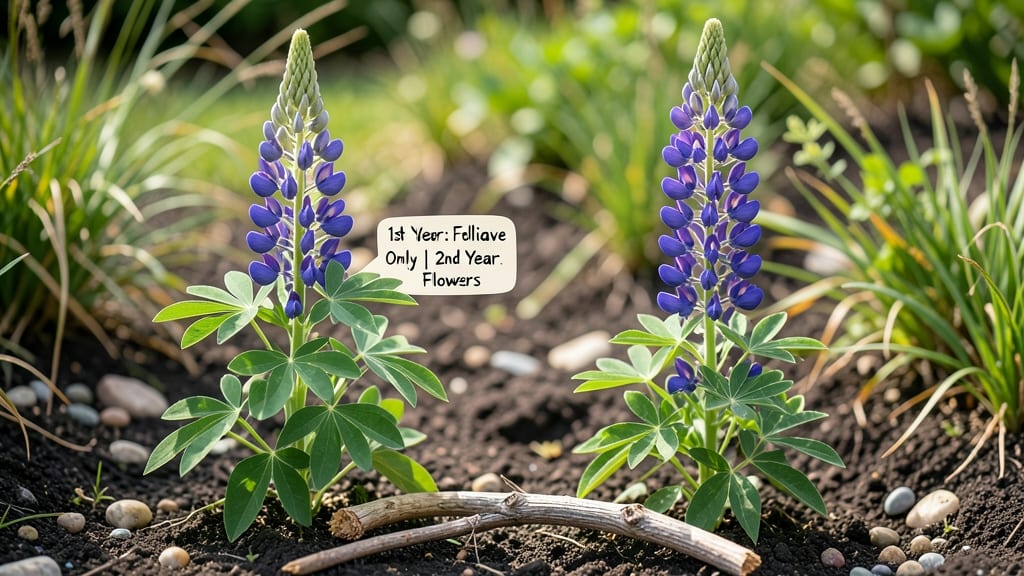
Lupines bloom every year only if they're perennial varieties—annual types flower just once before dying. Most garden lupines are perennials, but they need cold treatment to trigger reliable regrowth after their first bloom.
Whether your lupines return to bloom depends entirely on their type and how you care for them. 🌱 Perennial lupines develop deep taproots that store nutrients for winter, allowing them to push new growth each spring—but only after experiencing cold stratification.
This natural chilling process mimics winter conditions, breaking seed dormancy or stimulating root regrowth. Annual lupines, on the other hand, complete their entire life cycle in one season, so their showy blooms are a one-time event unless you replant fresh seeds.
For gardeners, this means planning ahead: if you want yearly color, focus on perennial varieties like Lupinus polyphyllus (the most common garden type) and give them proper winter care.
A light frost or cold stratification (placing seeds in the fridge for 4-6 weeks before planting) can make all the difference between a single-season show and a repeat performance. The key is understanding that lupines aren't just pretty—they're strategic plants that reward patience with bold, reliable blooms.
💡 In This Article
- Perennial Lupine Blooming Cycle Explained
- How to Ensure Annual Lupine Flowering Success
Perennial lupine blooming cycle explained
The secret to perennial lupines returning each year lies in their deep, woody taproots that can reach 3-5 feet underground. These roots act like natural storage units, holding energy reserves through winter dormancy—a state triggered by shortening daylight and cooler temperatures.
Unlike annuals that complete their life cycle in 60-90 days, perennials enter a resting phase where metabolic activity slows to just 5-10% of summer levels, conserving energy until spring.
Cold stratification is the critical trigger that wakes these dormant roots. When exposed to temperatures between 32-40°F for 4-8 weeks, lupines break dormancy through a process called vernalization. This chilling period mimics natural winter conditions, signaling the plant to resume growth.
Without it, even perennial lupines may fail to bloom again, as their energy reserves remain "locked" in dormancy mode. 🌱 The timing matters too—planting in early fall gives roots time to establish before winter, while spring planting often requires artificial stratification.
What makes this cycle fascinating is how lupines balance their energy budget. Their first-year growth focuses on developing the massive root system, while flowering comes in the second year—a survival strategy that ensures they have enough reserves for both.
This two-year pattern explains why you might see lush foliage but no flowers the first season, even with perennials. The trade-off is worth it, though: once established, these plants can live 10-15 years with minimal care, producing 2-3 foot tall spikes of vibrant blooms annually.
Seasonal timing plays a crucial role in this cycle. Lupines typically bloom in late spring to early summer (May-July in most climates), right when pollinators are most active. Their flowers contain nectar with a sugar concentration of about 20-25%, making them particularly attractive to bees and hummingbirds.
After flowering, the seed pods form—each containing 5-10 seeds that can remain viable for years if kept dry, though they often self-sow in garden conditions.
One common misconception is that all lupines are perennials. While Lupinus polyphyllus (the bluebonnet lookalike) is perennial, many ornamental varieties like Lupinus 'Russell Hybrid' are actually biennials—meaning they follow a similar two-year cycle but may not live as long.
The key difference lies in their root systems: true perennials develop thicker, more resilient taproots that can regenerate year after year, while biennials invest more energy in seed production.
For gardeners, understanding this cycle means planning ahead. If you want reliable annual blooms, focus on perennial varieties and give them proper winter care—mulching with 2-3 inches of organic matter helps insulate roots.
The payoff comes in spring when those deep roots push through the soil, bringing back the bold, colorful displays that make lupines a garden favorite. 💫