
Pests
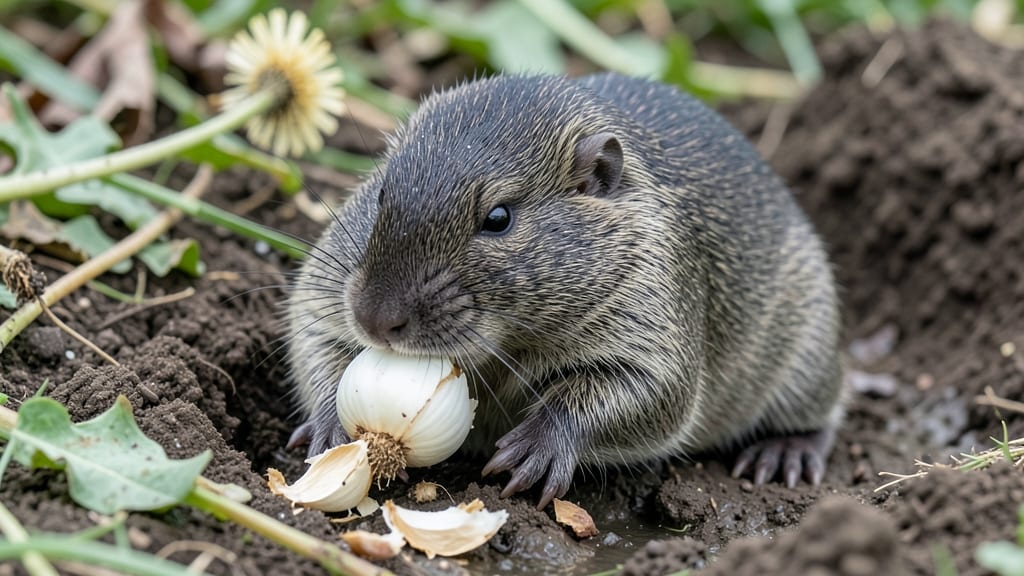
Moles do eat bulbs, especially tulips, daffodils, and crocus, as they tunnel through soil and consume underground plant parts. Their feeding disrupts garden beds and weakens plant growth, often leaving hollowed bulbs behind.
These small mammals aren't just digging for grubs—they're drawn to the soft, nutrient-rich tissue inside bulbs, which provides an easy energy source. 🌱 While tulips and daffodils are prime targets due to their shallow planting depth, moles will also attack shallots and garlic, creating unsightly mounds while simultaneously severing root systems.
The real damage comes when they leave bulbs partially eaten but otherwise intact, making them appear healthy above ground while rotting underground.
What makes this particularly frustrating is that moles don't just target individual bulbs—their tunneling disrupts entire root zones, preventing plants from absorbing water and nutrients properly. This leads to stunted growth, yellowing foliage, and even complete bulb failure in severe cases.
The key difference between mole damage and other pests is the distinctive surface mounds they create while feeding underground.
💡 In This Article
- How Moles Damage Garden Bulbs
- Preventing Mole Feeding in Bulb Gardens
How moles damage garden bulbs
Moles target bulbs because they contain concentrated carbohydrates and moisture—ideal for their high-energy diet. Their tunneling behavior creates a network of underground pathways, often just 2-4 inches below the surface, where they encounter bulb roots and storage organs.
The key difference between mole damage and other pests is their feeding method: moles don't just nibble—they create irregular, jagged holes in bulbs, leaving behind a mushy, half-eaten mess that accelerates rot. 🔥
Tulips and daffodils are particularly vulnerable because their bulbs are planted shallowly (4-6 inches deep) compared to onions (8-12 inches). Moles use their sensitive snouts to detect the electrical signals from plant roots, homing in on bulbs like a natural GPS.
The damage isn't just cosmetic—when moles sever roots, they disrupt the bulb's ability to transport water and nutrients, causing wilting even before the bulb itself is consumed. Think of it like cutting a plant's veins: the symptoms appear above ground long before the real problem is visible.
What makes this worse is how moles disrupt soil aeration. Their tunnels create air pockets that dry out the surrounding soil, while their feeding activity compacts other areas, creating a patchwork of ideal and poor growing conditions.
This stress response triggers bulbs to produce ethylene gas—a plant hormone that accelerates aging and decay. You'll often see affected plants with yellowing leaves or premature flowering as their energy reserves are diverted to compensate for the damage. 🌱
Onions and garlic are less appealing to moles because their papery skins contain sulfur compounds that repel pests, but they're still at risk when planted in loose, grubless soil.
The most telling sign of mole activity is the volcanic-shaped mounds they create while tunneling—these can appear overnight and often sit right above bulb beds. Unlike voles that chew clean holes, moles leave behind a chaotic feeding zone where bulbs may appear intact above ground but are hollowed out below.
Here's what's actually happening at the biological level: moles have a specialized stomach that can process fibrous plant material, but they prefer the softer, more digestible tissue found in bulbs.
Their saliva contains enzymes that begin breaking down starches immediately, which is why you'll often find bulbs that look partially dissolved rather than cleanly bitten. This enzymatic action creates the perfect environment for fungal infections to take hold, further compromising the bulb's viability. 💫
Consider these key factors when assessing damage: the depth of planting, soil type (sandy soils are easier for moles to tunnel through), and the bulb's maturity. Young bulbs are particularly defenseless because their protective layers haven't fully developed.
The most resilient bulbs tend to be those with tough outer skins, like hyacinths or alliums, which can sometimes survive partial mole attacks. However, no bulb is completely safe once moles have established their feeding patterns in your garden.