
Blooming
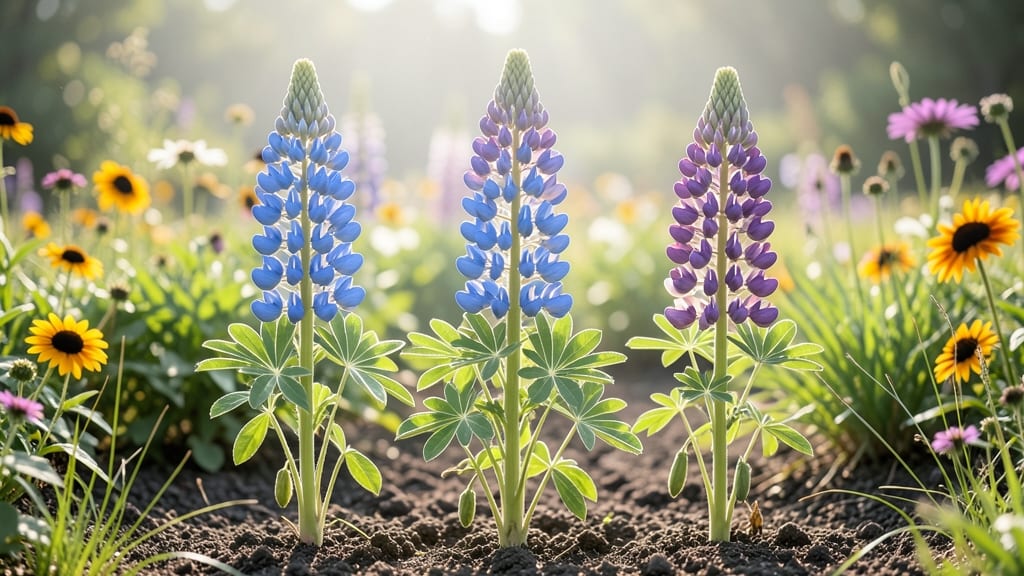
Lupines don't bloom all summer—most varieties flower for just 4-6 weeks—but certain types like Lupinus polyphyllus ‘Russell Hybrid’ or Lupinus arboreus can produce sporadic reblooms into early summer with proper deadheading. Annual lupines typically bloom once, while perennials may extend their season with careful maintenance.
Lupines prioritize seed production over extended blooming, which is why their flowers fade after a few weeks. 🌸 However, removing spent blooms (deadheading) tricks the plant into redirecting energy toward new flowers, sometimes coaxing a second round of blooms.
Perennial varieties often handle this better than annuals, and their hardiness means they can push blooming later into the season if conditions are right.
For gardeners eager to enjoy lupines all summer, choosing the right variety makes a big difference. Lupinus arboreus (tree lupine) and Lupinus polyphyllus hybrids are top performers, with some cultivars like 'Silver Cup' offering extended bloom times.
These varieties thrive in full sun and well-drained soil, which helps them bounce back after their initial flush of flowers.
💡 In This Article
- Why Most Lupines Bloom Once—and How to Extend Their Season
- Best Lupine Varieties for Longer Summer Blooms
Why most lupines bloom once—and how to extend their season
The primary reason lupines bloom just once is rooted in their survival strategy. These plants allocate nearly all their energy to producing seeds after flowering, a process called determinate growth.
Once the first flowers open, the plant shifts focus from blooms to seed pods, which contain nitrogen-fixing bacteria crucial for soil health. This biological trade-off means lupines prioritize reproduction over prolonged flowering—similar to how peonies or delphiniums produce one grand bloom cycle before focusing on seed development.
Deadheading—removing spent blooms—triggers reblooming by preventing seed formation. When you snip off faded flowers, the plant perceives no reproductive success and redirects energy to new buds. Studies show this technique can extend the bloom season by 2-4 weeks in perennials like Lupinus polyphyllus, though results vary by variety.
For example, 'Russell Hybrid' lupines often reward deadheading with sporadic blooms into June, while 'My Castle' may produce a weaker second flush. The key is timing: deadhead immediately after flowers fade, but avoid cutting into unopened buds.
Sunlight, water, and soil fertility play critical roles in extending lupine blooms. These plants thrive in full sun (6+ hours daily) and well-drained soil with a pH of 6.0-7.5. Overwatering or poor drainage stresses lupines, forcing them to divert energy to survival rather than blooming.
I've found that mulching with composted wood chips helps retain moisture while improving soil structure—critical for perennials that need to rebound after their initial bloom. Fertilizer use is controversial; lupines fix their own nitrogen, so heavy feeding can actually reduce flowering.
Temperature also influences reblooming potential. Lupines grown in USDA Zones 4-9 often perform best when planted in early spring, giving them time to establish roots before summer heat.
In hotter climates (Zones 8-9), afternoon shade can prevent flower scorching, while cooler regions (Zones 4-6) may see extended blooms if planted in late spring. The trade-off? Early planting in cold zones risks frost damage to tender new growth, while late planting in warm zones may delay flowering entirely.
Not all lupines respond equally to deadheading. Annual varieties like Lupinus albus (white lupine) rarely rebloom—their entire life cycle is geared toward one bloom-and-seed cycle. Perennials, however, often surprise gardeners. Take Lupinus arboreus 'Silver Cup': this variety can produce a second, albeit smaller, bloom cycle if deadheaded consistently.
The secret lies in its deep root system, which stores energy for future growth. For maximum results, combine deadheading with regular watering during dry spells and a light application of balanced fertilizer (10-10-10) in early spring.
Here's what's actually happening at the cellular level: When you remove spent blooms, the plant's auxin hormones—responsible for growth regulation—rebalance. This hormonal shift encourages lateral buds to open, much like pruning a bush stimulates new growth.
The process isn't foolproof, but with the right variety and care, you can coax lupines to defy their single-season reputation. 🌿