
Blooming
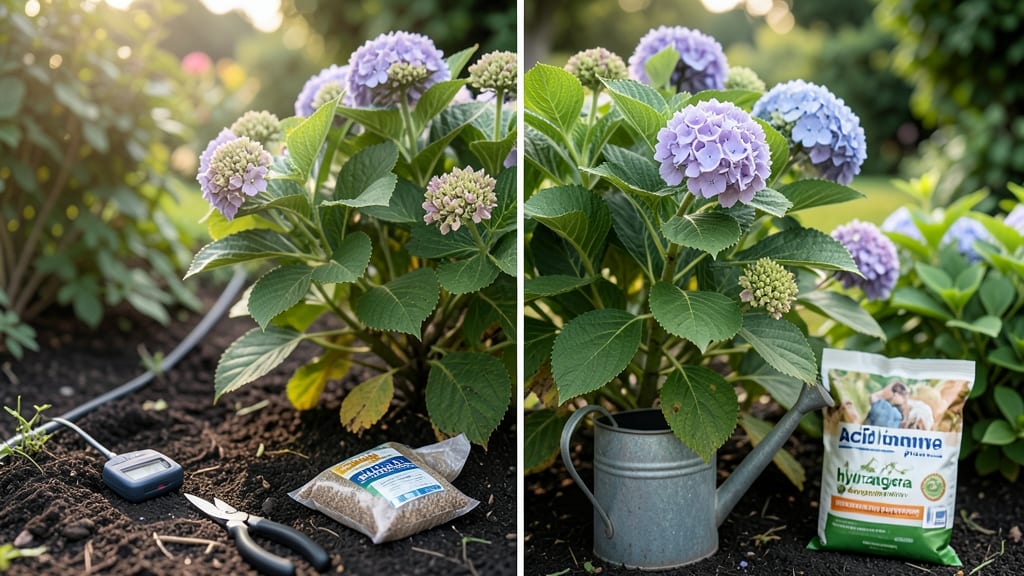
Your hydrangeas sent out leaves but didn’t bloom this year—and I’ve been there, staring at all that green wondering where the flowers went. 🌿 The truth? Hydrangeas are dramatic divas that need just the right mix of sunlight, pruning timing, and nutrients to put on their show.
Most gardeners overlook one key factor that’s actually the culprit.
Here’s the kicker: Too much nitrogen (from over-fertilizing) or pruning at the wrong time (like cutting back in late summer) sends your plant into leaf-producing overdrive instead of blooming.
Even a slight shift in sunlight—like moving from full sun to afternoon shade—can trick hydrangeas into thinking it’s time to rest instead of flower. I’ve seen this happen when people move their containers or plant them under new trees.
Fix it next season by pruning in early spring (before new growth starts), switching to a bloom-boosting fertilizer, and ensuring they get at least 6 hours of sunlight daily.
Once you adjust these, you’ll see buds forming by midsummer—guaranteed, if you time it right. The payoff? Clusters of blooms that’ll make your neighbors ask for cuttings.
Pro tip: Keep a garden journal to track sunlight changes, pruning dates, and fertilizer types—it’s the only way to spot patterns. Trust me, your hydrangeas will thank you with showstopping blooms by next year.
Hidden Reasons Behind No Flowers
Hydrangeas are famous for their lush blooms, but when they skip flowering, it’s usually due to one (or more) of these common but often overlooked factors. Understanding the science behind each can help you diagnose the issue and take action—before next season!
Hydrangeas thrive in partial shade to full sun, but too little light (or too much harsh afternoon sun) can stunt blooming. Here’s why:
- Photosynthesis slowdown: Without enough light, the plant can’t produce the energy needed for bud formation. Bigleaf hydrangeas (Hydrangea macrophylla) especially struggle in deep shade.
- Weak stems: Low light leads to leggy, sparse growth, leaving no energy for flower buds. Look for long, bare stems—a red flag!
- Heat stress in full sun: While some varieties (like Hydrangea paniculata) tolerate full sun, intense afternoon rays can burn buds or cause the plant to prioritize leaf growth over flowers.
Pro tip: 🌡️ Test your hydrangea’s light: If it’s in more than 6 hours of direct sun, provide afternoon shade (especially in hot climates). For shade lovers, ensure they get at least 4–6 hours of dappled sunlight.
Hydrangeas are sensitive to late frosts, heatwaves, and sudden temperature drops. Here’s how climate plays a role:
- Bud freeze: Flower buds form in the previous year’s growth (for bigleaf hydrangeas) or current season (for panicle/hortensia types). A hard freeze (<32°F/0°C) in late winter or early spring can kill buds before they open.
- Heat stress: Temperatures above 90°F (32°C) for weeks can cause buds to abort or drop off. This is common in Hydrangea paniculata, which often blooms on new wood.
- Poor pollination: Some hydrangeas (like Hydrangea arborescens) rely on insects for pollination. Cool, rainy springs can deter bees, leading to fewer blooms.
Pro tip: ✨ Mulch heavily in fall to protect roots from freeze-thaw cycles. If your area has late frosts, choose late-blooming varieties (like ‘Endless Summer’) that form buds on old and new wood.
Pruning is a double-edged sword—do it wrong, and you’ll cut off next year’s blooms. Here’s how mistakes happen:
- Pruning at the wrong time:
- Bigleaf hydrangeas: Bloom on last year’s wood. Prune right after flowering (late summer/fall) to avoid removing next year’s buds.
- Panicle/hortensia hydrangeas: Bloom on new wood. Prune in late winter/early spring to encourage fresh growth.
- Over-pruning: Cutting back more than 1/3 of the plant removes too many buds. Severe pruning can also stress the plant, diverting energy away from flowering.
- Pruning in fall/winter: Cold-weather pruning can damage dormant buds or invite disease. Wait until late winter (when new growth is visible) for panicle types.
Pro tip: 🔥 Label your hydrangeas if you have multiple types! And always use clean, sharp shears to avoid tearing branches (which invites rot).
Hydrangeas are thirsty drinkers, and their blooms depend on consistent moisture and the right nutrients. Here’s what goes wrong:
- Underwatering: Drought stress causes buds to dry up and drop. Hydrangeas need 1–1.5 inches of water per week (more in containers or hot climates).
- Overwatering: Soggy soil leads to root rot, which starves the plant of nutrients needed for flowering. Ensure well-draining soil (amend with compost or perlite if needed).
- Nitrogen overload: Too much nitrogen-rich fertilizer (like lawn fertilizer) promotes leafy growth at the expense of flowers. Hydrangeas need a balanced 10-10-10 or bloom-boosting 5-10-5 formula.
- Micronutrient deficiencies: Lack of phosphorus (P) or potassium (K) can stunt blooming. Yellowing leaves or weak stems? It’s a sign to feed with a bloom-specific fertilizer in early spring.
Pro tip: 💡 Mulch around the base to retain moisture and regulate soil temp. For container hydrangeas, water daily in summer and use a saucer to catch runoff.
Even healthy hydrangeas take time to mature—and stress from transplant shock, pests, or disease can delay blooming:
- Young plants: Hydrangeas often skip flowering for 1–2 years after planting while they establish roots. Don’t panic!
- Transplant shock: Moving a mature hydrangea can disrupt root systems, causing it to redirect energy to recovery instead of blooms. Give it 1 full season to adjust.
- Pests/disease:
- Japanese beetles or aphids can devour buds or spread disease.
- Powdery mildew (white fungal coating) weakens the plant, reducing flower production.
- Root-bound containers: Hydrangeas in pots that are root-crowded may bloom poorly. Repot every 2–3 years in spring.
Pro tip: 🛡️ Inspect leaves regularly for pests. Treat with neem oil or insecticidal soap if needed. For mildew, prune affected areas and apply fungicide.
Revive Your Hydrangeas Now
If your hydrangeas are playing hard to bloom this year, don’t panic—there’s almost always a fix! Below, we’ve mapped out practical solutions for the most common causes, along with prevention tips to keep your plants thriving next season. Let’s get those buds blooming again!
Hydrangeas need at least 4–6 hours of sunlight daily—preferably morning sun—to set buds properly. If yours are in deep shade, they’ll focus on leaves instead of flowers.
How to Fix It: ✅ 🔥 Move Them Gradually – If your hydrangea is in a shady spot, relocate it slowly (over 2–3 weeks) to avoid sunburn. Start with 2–3 hours of morning sun, then increase exposure. ✅ 🌳 Prune Overhanging Branches – Trim back trees or shrubs blocking sunlight. Even dappled shade (filtering light) can work if the plant gets enough indirect rays. ✅ 🏡 Consider a Sunny Spot – If possible, transplant to a south- or west-facing area where they’ll get more light. Just avoid hot afternoon sun in scorching climates—it can stress the plant.
💡 Prevention Tip:
- Test your spot before planting: If nearby plants struggle, your hydrangea will too. Use a light meter app (or just observe how fast grass grows—hydrangeas need more than lawns do!).
Hydrangeas hate drought stress—too little water = no blooms. But overwatering (leading to root rot) is just as bad.
How to Fix It: ✅ 💧 Water Deeply & Regularly – Aim for 1–1.5 inches of water per week (including rain). Use a soaker hose or drip irrigation to keep moisture evenly distributed. ✅ 🏺 Improve Drainage – If your soil is heavy clay, amend it with compost or perlite to help water drain better. A raised bed can also help. ✅ 🌧️ Mulch Like a Pro – Spread 2–3 inches of mulch (wood chips or straw) around the base to retain moisture and regulate soil temperature.
💡 Prevention Tip:
- Check soil moisture by sticking your finger 2 inches deep—if it’s dry, water! A moisture meter ($10–$15) takes the guesswork out.
Pruning at the wrong time (or too aggressively) can remove next year’s flower buds before they form.
How to Fix It: ✅ 📅 Know Your Hydrangea Type
- Bigleaf & Oakleaf Hydrangeas (mopheads, lacecaps): Prune right after blooming (late spring/early summer). Cut back old wood (last year’s stems) by 1/3 to encourage new growth.
- Panicle Hydrangeas (like ‘Limelight’): Prune in late winter/early spring—they bloom on new wood, so you can cut back old stems to the ground.
✅ 🔪 Use Sharp, Clean Tools – Deadhead spent blooms in fall, but avoid heavy pruning until the correct season. Always use sterilized shears to prevent disease.
💡 Prevention Tip:
- Mark pruning times on your calendar! A quick note like “Bigleaf: Post-bloom!” saves headaches next year.
Hydrangeas struggle in scorching heat or sudden freezes, which can shock the plant into skipping bloom production.
How to Fix It: ✅ 🌿 Provide Afternoon Shade – If temps hit 90°F+, use shade cloth (30–50%) or a lightweight row cover to protect leaves. ✅ 💦 Boost Hydration in Heatwaves – Water early in the morning to reduce evaporation. Mulch heavily to keep roots cool. ✅ 🛡️ Protect from Late Frosts – If you’re in a transition zone, cover young plants with frost blankets until danger of frost passes.
💡 Prevention Tip:
- Choose heat-tolerant varieties like ‘Endless Summer’ (bigleaf) or ‘Little Lime’ (panicle)—they’re bred to handle extremes!
Too much nitrogen = lush leaves, no blooms. Too little phosphorus/potassium = weak flower buds.
How to Fix It: ✅ 🍽️ Feed Smart – Use a balanced fertilizer (10-10-10) in early spring, then switch to a low-nitrogen, high-phosphorus formula (like 5-10-10) in late spring to encourage blooms. ✅ 🥗 Add Organic Matter – Mix compost or bone meal into the soil in early spring for a phosphorus boost. ✅ ☠️ Avoid Over-Fertilizing – Yellow leaves or stunted growth? You’re likely overdoing it. Flush the soil with water and hold off until fall.
💡 Prevention Tip:
- Test your soil ($15–$20 kits available) to know exactly what’s missing—hydrangeas love slightly acidic soil (pH 5.5–6.2) too!
Aphids, powdery mildew, or fungal issues can sap energy meant for blooms.
How to Fix It: ✅ 🐜 Inspect Leaves – Look for holes, white powder (mildew), or sticky residue (aphids). Spray with neem oil or insecticidal soap if needed. ✅ 🌿 Improve Airflow – Trim back dense foliage to reduce humidity (which fuels fungal growth). ✅ 🧼 Clean Up Debris – Remove fallen leaves or spent blooms in fall to prevent overwintering pests.
💡 Prevention Tip:
- Preventative spray in early spring with copper fungicide (for mildew) or horticultural oil (for insects).
Final Thought: Most hydrangeas rebound quickly with the right care—so don’t give up! Next year, keep a simple checklist: ✔️ Light: 4–6 hours of sun ✔️ Water: 1–1.5” per week ✔️ Prune: Right type, right time! ✔️ Feed: Low-nitrogen bloom booster in spring
With these fixes, you’ll be admiring a lush, blooming hydrangea before you know it! 🌸✨
Frequently asked questions
Why do my hydrangea leaves look healthy but there are no flowers?
Your hydrangea might be getting too much nitrogen fertilizer, which promotes leaf growth at the expense of blooms. Check your soil—if it's rich in lawn fertilizer (high in nitrogen), switch to a bloom-boosting 5-10-5 formula in early spring. Also verify sunlight: bigleaf varieties need at least 4-6 hours of morning sun to set buds.
Can I still get flowers if I pruned my hydrangea at the wrong time?
It depends on the type! Bigleaf hydrangeas bloom on last year's wood, so pruning in late winter/early spring removes next year's buds. Panicle types bloom on new wood, so they're more forgiving. If you pruned too late, don't panic—just avoid heavy cuts next year and focus on proper timing (late summer for bigleaf, early spring for panicle).
How do I know if my hydrangea needs more sun or less?
Test your plant's light exposure: If leaves are small and sparse with long stems, it needs more sun (but avoid harsh afternoon rays). If leaves are large and leggy with no buds, it's getting too much direct sun. Bigleaf varieties prefer morning sun + afternoon shade, while panicle types tolerate more full sun. Move gradually to avoid shock.
Will my hydrangea bloom next year if I fix the issues now?
Hydrangeas are resilient—once you adjust light, water, and pruning, most rebound within 1-2 seasons. Start by reducing nitrogen, ensuring consistent moisture, and pruning at the right time. For bigleaf types, buds form in late summer, so focus on late-season care to guarantee next year's blooms. Patience pays off!
Are there any hydrangea varieties that bloom more reliably?
Yes! 'Endless Summer' bigleaf hydrangeas bloom on both old and new wood, making them more forgiving with pruning. For panicle types, 'Limelight' and 'Little Lime' are heat-tolerant and bloom late in the season. These varieties are bred to handle light variations and temperature swings better than traditional types. Check your local nursery for these resilient options!