
Blooming
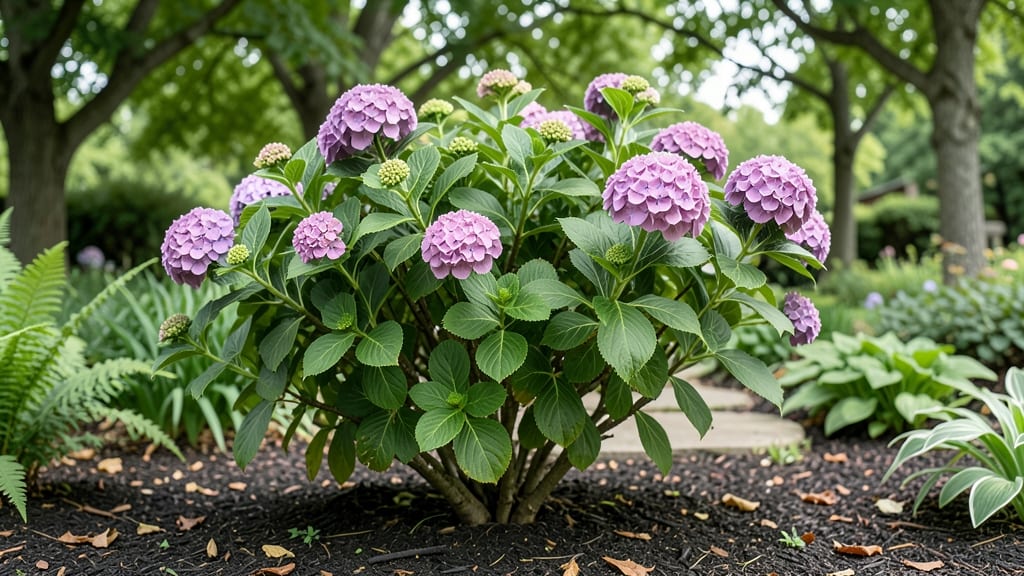
Endless Summer hydrangeas bloom on old wood, meaning last year’s growth holds the buds for this year’s stunning 🌸 displays.
If you’ve ever wondered why your Endless Summer hydrangeas aren’t blooming as expected, the answer might lie in when—and how—you prune them. These stunning plants thrive on old wood, but timing is everything to unlock their full potential.
Unlike some hydrangeas that bloom on new wood, Endless Summer relies on buds formed the previous season. Pruning too late or too aggressively can cut off those buds before they open, leaving you with sparse or no flowers.
In this guide, I’ll break down the science behind old-wood blooming, the best pruning window for your Zone 6a garden, and how to avoid common mistakes that kill blooms. Ready to transform your hydrangeas into a nonstop floral show?
Why Endless Summer hydrangeas bloom on old wood (and how to encourage it)
If you’ve ever wondered why your Endless Summer hydrangeas produce stunning blooms year after year, the secret lies in their unique old-wood blooming habit.
Unlike many hydrangeas that bloom on new wood, this variety sets its flower buds in the previous growing season, meaning last year’s growth holds this year’s blooms. Understanding this process is key to maximizing their floral potential.
When I first planted my Endless Summer hydrangea, I made the classic mistake of pruning it in late summer—only to wake up the next spring with nearly no blooms. That’s when I learned the hard way that these beauties rely on last year’s stems to produce flowers.
The buds form in late summer and fall, then remain dormant through winter, ready to burst into color when spring arrives.
| Blooming Type | Key Feature | Pruning Window |
|---|---|---|
| Old Wood Bloomers | Bud formation in previous year | Late winter/early spring |
| New Wood Bloomers | Bud formation in current year | Late winter/early spring |
| Endless Summer | Both old AND new wood (unique trait) | Late winter/early spring + post-bloom |
The magic happens in late summer and early fall when your hydrangea prepares for next year’s blooms. During this time, it forms flower buds along the current year’s stems, which will remain dormant until spring.
This is why aggressive summer pruning can backfire—you might accidentally remove next year’s blooms before they’ve even formed!
One of the most common misconceptions is that all hydrangeas bloom on new wood. While varieties like Limelight or Panicle hydrangeas do, Endless Summer is unique because it can bloom on both old and new wood.
However, the majority of its blooms still come from last year’s growth, making proper pruning timing critical for a show-stopping display.
To encourage abundant blooms, I’ve found that the ideal pruning window is between late winter and early spring, right before new growth begins. This allows you to shape the plant while preserving the old wood buds that will produce flowers.
Look for swollen buds on last year’s stems—these are your future blooms in the making!
If you prune too late, you risk cutting off the old wood buds before they’ve had a chance to open. I once pruned my hydrangea in May and was shocked when it produced only a fraction of the usual blooms.
The lesson? Patience is key—wait until after the plant has finished blooming in summer to prune any remaining dead or weak stems.
Another pro tip: Feed your hydrangea in early spring with a balanced fertilizer to support new growth and bud formation. I use a 10-10-10 NPK ratio to give it the nutrients it needs for both foliage and flowers.
Avoid heavy fertilizing in late summer, as this can encourage tender new growth that won’t survive winter.
For gardeners in USDA Zone 6a (like where I live), the critical pruning window is typically between February and early March, just as the first hints of new growth appear.
If you miss this window, don’t panic—you can still prune in early April, but you may sacrifice some of the year’s blooms.
Remember, the goal is to preserve last year’s stems while encouraging healthy new growth. With the right timing and care, your Endless Summer hydrangea will reward you with vibrant blooms from spring through fall.
The secret isn’t just in the pruning—it’s in understanding the plant’s natural blooming cycle and working with it, not against it.
🌸
Best pruning timing for Endless Summer hydrangeas: step-by-step guide
Endless Summer hydrangeas bloom on old wood, meaning their flower buds form on the previous year’s growth. To maximize blooms, pruning must happen at the right time—late winter or early spring—before new growth begins.
Cutting too early or too late risks removing next year’s flower buds, leaving you with sparse or no blooms.
Timing your prune to align with bud swell is key. Look for small, rounded buds forming at the stem joints—this signals the plant is preparing to bloom. Prune just as these buds begin to swell, typically between late February and early April in most climates.
This window ensures you preserve next year’s flowers while removing dead or weak stems.
Here’s how to identify the perfect pruning moment:
- 1
- 2
- 3
- 4
- 5
Use sharp, clean pruners to make 45-degree cuts just above a leaf node or bud. Disinfect tools with rubbing alcohol between cuts to prevent disease spread. Over-pruning or using dull tools can stress the plant, reducing its ability to produce vibrant blooms.
After pruning, apply a 2-inch layer of mulch around the base to retain moisture and protect roots. Water deeply to help the plant recover. With the right timing and technique, your Endless Summer hydrangeas will reward you with abundant blooms all season long.
If you miss the late winter window, don’t panic. You can still prune in early spring as long as buds haven’t yet swelled. Just be patient—consistent care will bring back those stunning flowers next year.