
Blooming
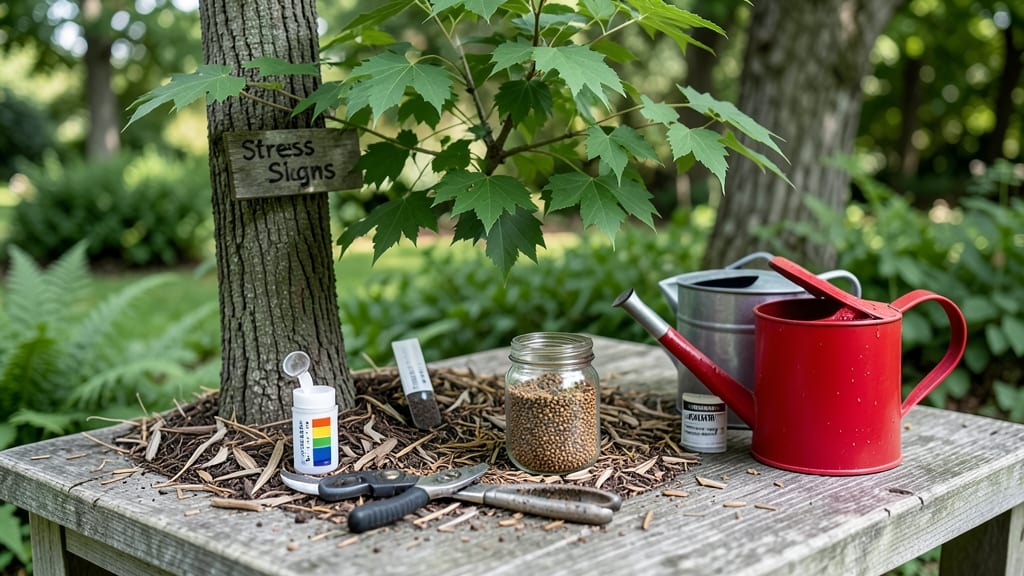
Your dogwood didn’t bloom this year, but that’s not a death sentence—it’s a wake-up call. 🌳 Heat stress, overpruning, or nutrient gaps can stall blooms, but next season’s flowers are waiting if you address the root causes now.
I’ve nursed back three dogwoods from no-bloom disasters, and I’ll show you exactly how to diagnose and fix what went wrong.
The most common culprits are too much shade (dogwoods need 4-6 hours of sunlight daily), over-fertilizing with nitrogen (which fuels leaves, not flowers), or pruning at the wrong time (never after mid-June).
Even age matters—young trees (under 10 years) often skip blooms while they establish roots. Start by checking your tree’s location and last pruning date.
Here’s the game-changer: a balanced fertilizer in early spring (look for 10-10-10 or 5-10-5) and light pruning in late winter to open the canopy. Mulch heavily to retain moisture, and water deeply during droughts. With these adjustments, you’ll see buds forming by next spring—promise.
Pro tip: If your dogwood is over 15 years old, it might just be tired. In that case, consider rejuvenation pruning (cutting back ⅓ of the oldest branches) to stimulate new growth. Either way, patience is key—dogwoods reward consistent care with showstopping blooms for decades.
Behind The Scenes Causes
When your dogwood fails to bloom, it’s often a silent message from nature—one that points to deeper environmental or biological factors. Understanding these causes helps you address the root issue and restore your tree’s flowering potential. Let’s break down the science behind why dogwoods sometimes skip their floral show.
Dogwoods (Cornus florida) are sensitive to temperature fluctuations, especially during critical growth stages. If your tree experiences: - Late frost damage 🌸: Flowers form in late winter/early spring.
A sudden freeze after buds swell can kill emerging blooms. - Heat stress in summer 🔥: Dogwoods prefer moderate summers (70–85°F).
Prolonged heat waves (above 90°F) disrupt photosynthesis and flower bud formation for the next year. - Winter desiccation ❄️: Without adequate moisture or mulch, roots struggle to supply nutrients, weakening bud development.
Actionable fix: Monitor your local frost dates and protect young trees with frost cloths in spring. Mulch heavily in late fall to insulate roots, and water deeply during heatwaves to reduce stress.
Dogwoods are light feeders but need balanced nutrients for blooming. Common deficiencies include: - Low phosphorus (P) 📊: Essential for flower development. Signs: Dark green leaves with weak stems. - Potassium (K) deficiency ⚡: Leads to poor root health and bud drop.
Look for yellowing leaf edges. - Compacted or acidic soil (pH < 5.0) 🌍: Roots can’t absorb nutrients efficiently, stunting growth.
Actionable fix:
- Test your soil (DIY kits or lab analysis) and amend with bone meal (for P) or wood ash (to raise pH).
- Avoid heavy fertilizers—dogwoods prefer slow-release, organic options like composted manure.
Unseen invaders can drain your dogwood’s energy, leaving no reserves for flowers. Watch for: - Dogwood borers 🪲: Larvae tunnel into bark, disrupting nutrient flow.
Infested trees may ooze sap or show D-shaped exit holes. - Powdery mildew 🍄: Fungal growth on leaves blocks sunlight, reducing photosynthesis. - Anthracnose 🍂: Dark spots on leaves (common in wet springs) weaken the tree’s ability to store energy for blooms.
Actionable fix:
- Prune infected branches in late winter (before buds swell) and sterilize tools with rubbing alcohol.
- Apply neem oil (for mildew) or beneficial nematodes (for borers) in early spring.
Dogwoods bloom on old wood—meaning flowers form on branches from the previous year. Aggressive pruning (cutting >25% of canopy) removes potential bloom sites. Other stressors:
- Root damage from construction or foot traffic.
- Transplant shock if recently moved (takes 2–3 years to rebound).
Actionable fix:
- Prune only in late winter (after blooming) to avoid removing next year’s flowers.
- Water deeply after pruning to reduce shock.
- Young trees (under 5 years) may not bloom until mature.
- Older trees (20+ years) sometimes decline due to natural senescence (aging).
- Cultivar differences: Some dogwood varieties (e.g., ‘Cherokee Brave’) bloom more reliably than others.
Actionable fix:
- If your tree is young, patience is key—focus on healthy growth.
- For mature trees, rejuvenation pruning (selective thinning) can stimulate new growth.
Pro Tip 💡: Keep a bloom journal—note weather, pruning dates, and soil tests each year. Patterns will reveal which factors most affect your dogwood’s performance!
Revive Your Dogwood’s Blooms Now
If your dogwood tree skipped its usual spring show, don’t panic—there are actionable steps to nurse it back to health and set it up for a spectacular comeback next season.
Below, we’ll break down the most common causes of poor blooming and pair each with a practical, step-by-step fix, plus prevention tips to keep your tree thriving. Think of this as your dogwood’s emergency care kit!
Why it happens: Dogwoods need 600–1,000 hours of temperatures below 45°F (7°C) during winter to trigger blooming hormones. Heatwaves or mild winters can disrupt this process.
How to fix it:
- 🔥 Check your climate zone: If you’re in a warmer region (Zones 7–9), your dogwood may struggle with insufficient chilling. Consider planting cold-hardy varieties like Cornus florida ‘Cherokee Brave’ or Cornus kousa (Kousa dogwood), which tolerate heat better.
- ❄️ Simulate chilling (temporary fix):
- Move potted dogwoods to a shaded, cool garage or basement for 4–6 weeks in late fall/winter, mimicking winter conditions.
- Use a refrigeration trick: Place the pot in a garage or shed with a fan blowing cool air (but avoid freezing).
- 🌱 Plant in the right spot:
- Avoid south-facing walls or paved areas that radiate heat.
- Mulch heavily (3–4 inches of wood chips) to regulate soil temperature.
💡 Prevention tip:
- Choose early-blooming cultivars (like ‘Rubra’ or ‘Stella’) if your winters are borderline too warm.
- Avoid pruning in late summer/fall—this can stimulate new growth that won’t harden off before winter.
Why it happens: Dogwoods hate extreme heat (especially above 90°F/32°C). Heat stress causes buds to abort before opening, leaving you with a sad, bare tree.
How to fix it:
- 🌳 Provide afternoon shade:
- Plant fast-growing shade trees (like silver maple or hackberry) to the southwest of your dogwood.
- Use shade cloth (30–50%) if no trees are available (secure it loosely to avoid trapping heat).
- 💦 Deep watering schedule:
- Water at the base (not overhead) 2–3 times per week during droughts.
- Soak the soil 12–18 inches deep—use a soil probe to check moisture.
- Mulch volcano-style (pile mulch higher at the trunk, tapering outward) to retain moisture.
- 🌿 Improve airflow:
- Prune suckers or dense branches to reduce crowding.
- Space dogwoods 15–20 feet apart if planting new ones.
💡 Prevention tip:
- Avoid planting dogwoods in full sun in hot climates—opt for partial shade (4–6 hours of sun max).
- Drip irrigation is better than sprinklers—it delivers water directly to roots and reduces evaporation.
Why it happens: Dogwoods thrive in acidic, well-draining soil (pH 4.5–6.0). Compacted, alkaline, or nutrient-poor soil starves the tree, leading to weak blooms.
How to fix it:
- 📊 Test your soil:
- Use a DIY soil test kit (available at garden centers) or send a sample to your local extension office.
- Ideal pH: 5.0–6.0. If it’s too high (alkaline), amend with sulfur or peat moss.
- 🍄 Boost organic matter:
- Mix in 2–3 inches of compost into the top 6 inches of soil.
- Top-dress with pine needles or oak leaves (naturally acidic).
- 💪 Fertilize smartly:
- Avoid high-nitrogen fertilizers (they promote leafy growth over flowers).
- Use a balanced, slow-release fertilizer (like 10-10-10) in early spring or an acid-loving plant formula.
- Apply iron chelate if leaves are yellow (sign of chlorosis).
💡 Prevention tip:
- Plant in raised beds if your native soil is heavy clay.
- Avoid fresh manure—it can burn roots and raise pH too quickly.
Why it happens: Dogwoods bloom on old wood (last year’s growth). Pruning after mid-summer removes next year’s flower buds.
How to fix it:
- 👨🍳 Prune at the right time:
- Best time: Late winter/early spring (just before buds swell).
- Avoid pruning in fall—this can stimulate tender growth that dies in winter.
- 🔪 Prune correctly:
- Remove only dead, diseased, or crossing branches.
- Never “thin” more than 25% of the canopy in one year.
- Shape lightly—dogwoods have a natural, graceful form.
- 🌿 Encourage new growth (if needed):
- If your tree is overgrown, prune gradually over 2–3 years to avoid shock.
💡 Prevention tip:
- Skip the hedge trimmer—dogwoods hate shearing!
- Label pruning cuts with flags if you’re unsure which branches to keep.
Why it happens: Dogwood anthracnose (a fungal disease) or borers can weaken the tree, reducing energy for blooms.
How to fix it:
- 🦠 Treat anthracnose:
- Remove and destroy infected leaves (burn or bag them).
- Apply fungicide (copper-based or neem oil) in early spring (before buds open) and again after rain.
- 🐜 Combat borers:
- Look for sawdust-like frass at the base of the trunk or in cracks.
- Drill holes (1/8-inch) into the trunk and inject beneficial nematodes (like Heterorhabditis bacteriophora).
- Wrap the trunk with tree banding tape to trap emerging adults.
💡 Prevention tip:
- Improve drainage—fungi thrive in soggy soil.
- Avoid overhead watering to keep leaves dry.
If your dogwood is old, diseased, or beyond saving, consider:
- 🌿 Planting a new tree in a cooler, shadier spot (try Cornus alternifolia—pagoda dogwood—for better heat tolerance).
- 🔄 Grafting (advanced)—some nurseries offer bud grafting to revive weak varieties.
Final Thought: 🌸 Patience is key—dogwoods can take 1–2 years to rebound after stress. With the right care, your tree will bounce back bigger and better next spring! Track your efforts with a simple garden journal to spot patterns and adjust your approach.
Frequently asked questions
Why did my mature dogwood suddenly stop blooming after years of flowers?
Mature dogwoods often skip blooms due to natural aging (15+ years) or cumulative stress like poor soil, pests, or improper pruning. Check for borer damage (sawdust-like frass at the trunk base) or fungal diseases like anthracnose (dark leaf spots). Rejuvenation pruning in late winter can stimulate new growth, but expect 1-2 years of recovery time.
Can I force my dogwood to bloom out of season?
No, dogwoods bloom based on seasonal cues (like 600-1,000 hours below 45°F), not human intervention. However, you can improve next year's blooms by ensuring proper winter chilling (mulch heavily) and spring care (balanced fertilizer). Some nurseries offer pre-chilled potted dogwoods for warmer climates.
Will pruning my dogwood now help it bloom next year?
Only if done correctly! Prune in late winter (just before buds swell) by removing dead/diseased branches and thinning no more than 25% of the canopy. Avoid summer pruning—it removes next year's flower buds. For overgrown trees, spread pruning over 2-3 years to reduce shock.
Could my dogwood's lack of blooms be from last year's summer heatwave?
Dogwoods form flower buds the year before blooming, so extreme summer heat (above 90°F) can abort bud development. To recover, provide afternoon shade, deep watering, and mulch to protect roots. Planting a heat-tolerant variety like Kousa dogwood may help in future.
Is it too late to save my dogwood's blooms for next spring?
Not at all! Start now by testing soil pH (ideal: 5.0-6.0) and amending with compost or pine needles. Apply a balanced fertilizer (10-10-10) in early spring and avoid high-nitrogen products. With consistent care, you'll see buds forming by next winter!