
Blooming
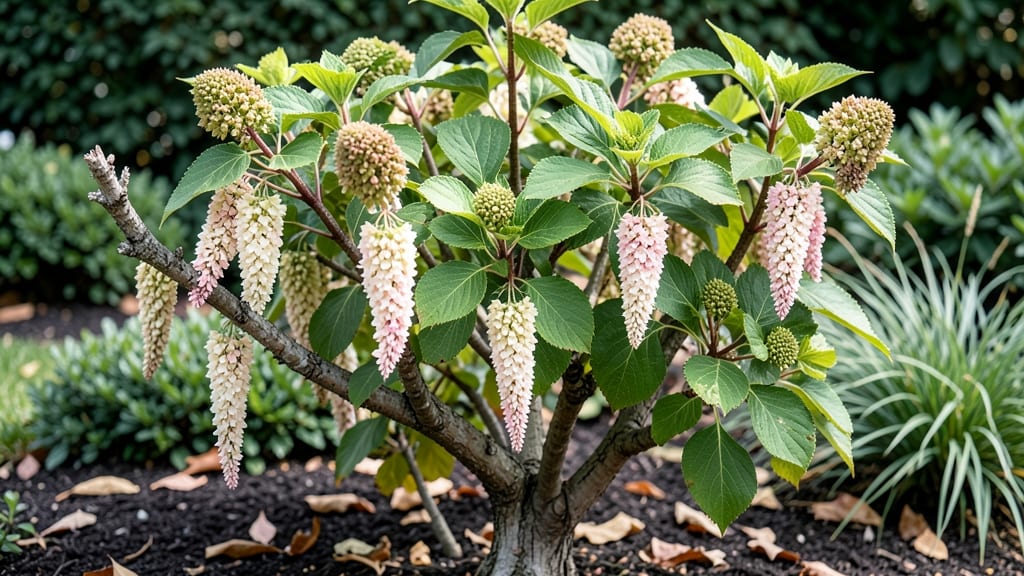
Most panicle hydrangeas bloom on new wood, but late-season varieties like 'Limelight' and 'Little Lime' also produce flowers on old wood, giving you two bloom cycles in one plant. Choosing the right variety and pruning correctly can extend your seasonal color.
Panicle hydrangeas follow a general rule of blooming on new growth each year, but some varieties break this pattern. 🌸 The key difference lies in their bud formation: while most set buds on current-season stems, late bloomers develop some buds during the previous growing season.
This means you can enjoy flowers in both summer and fall from the same plant—if you pick the right cultivars and time your pruning carefully. For example, 'Limelight' often produces secondary blooms on stems that grew the year before, creating that stunning two-season display.
This dual-blooming behavior isn't just about variety selection—it's also about understanding your plant's growth cycle. Old-wood flowers typically appear on stems that matured the previous year, while new wood handles the primary bloom. The trade-off?
You'll need to adjust your pruning schedule to avoid cutting off those potential old-wood blooms before they appear. For most gardeners, this means waiting until late winter or early spring to prune, rather than the more aggressive summer cuts recommended for pure new-wood bloomers.
💡 In This Article
- Why Most Panicle Hydrangeas Bloom on New Wood
- Top Late-Blooming Panicle Hydrangea Varieties for Old-Wood Flowers
Why most panicle hydrangeas bloom on new wood
Panicle hydrangeas primarily bloom on new wood because their flower buds form on current-season growth rather than on the previous year's stems. This is a key difference from mophead hydrangeas, which rely on old wood.
The buds develop in late summer or early fall on the tips of new shoots, remaining dormant through winter. When spring arrives, these buds burst into bloom, creating those iconic cone-shaped flowers.
This growth habit allows gardeners to prune more aggressively in late winter or early spring without sacrificing next year's blooms.
The botanical reason behind this behavior lies in how the plant allocates energy. New wood bloomers prioritize growth over flower production on old stems, which explains why you'll see fewer flowers on last year's branches.
For example, the popular 'Tardiva' variety produces its first flowers on old wood in early summer, then switches to new wood for its main display in late summer.
This dual strategy ensures consistent blooming, but it also means pruning timing becomes critical—cutting too early can remove potential old-wood blooms before they appear.
Temperature plays a surprising role in this process. Cooler spring temperatures often trigger bud formation on new growth, while warmer falls may encourage some old-wood budding in late-season varieties. This is why some panicle hydrangeas show sporadic old-wood flowers even when they're primarily new-wood bloomers.
The plant's internal clock, influenced by daylight hours and temperature shifts, determines when and where buds will form. Understanding this helps explain why a plant like 'Little Lime' might produce a few old-wood blooms alongside its main new-wood display.
What most gardeners don't realize is that this growth pattern affects pruning strategies dramatically. For pure new-wood bloomers, you can safely remove up to one-third of the plant in late winter without harming next year's flowers.
However, if you're growing a variety that occasionally blooms on old wood, waiting until after the first flush of flowers in early summer gives you a better chance of preserving those potential secondary blooms.
The key is observing your specific plant's behavior over several seasons to determine its unique blooming pattern.
Here's what happens when you prune at the wrong time: If you cut back a panicle hydrangea in early spring before the old-wood buds have opened, you might remove the only flowers that plant will produce that season.
This is especially true for varieties like 'Limelight,' which often shows its first blooms in June on last year's growth. The solution? Delay pruning until late winter or early spring, after the plant has gone completely dormant but before new growth begins.
Consider this comparison: Mophead hydrangeas (like 'Endless Summer') can be pruned anytime because their buds form on old wood, giving you more flexibility. Panicle hydrangeas, however, require more precise timing. The reward for getting it right?
A plant that continues producing flowers well into fall, sometimes even through the first frost. This extended bloom period is what makes varieties like 'Quick Fire' so popular—they keep performing when many other hydrangeas have finished for the season.