
Blooming
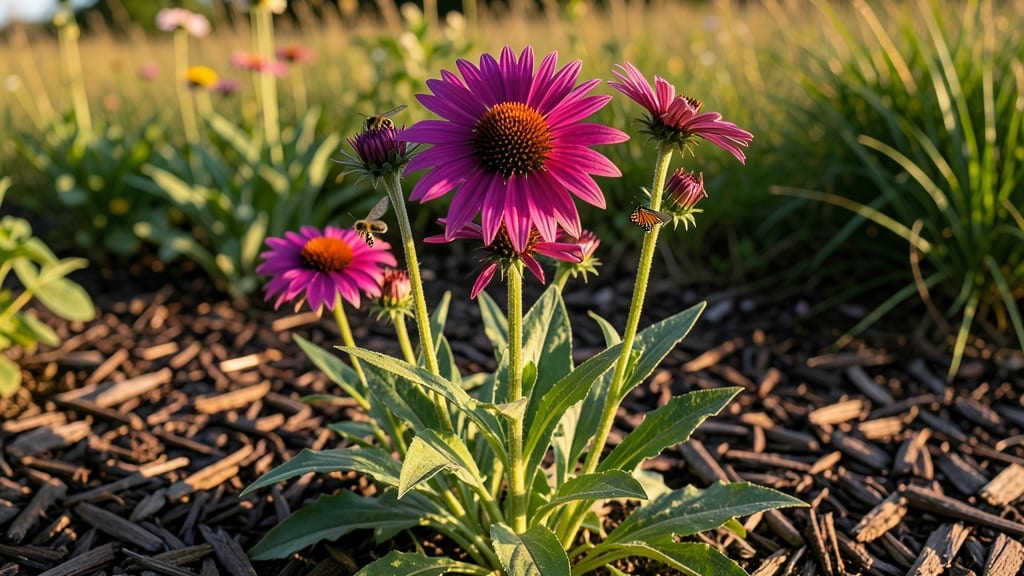
Zone 8 perennials that bloom all summer include Black-Eyed Susan, Coneflower, Shasta Daisy, and Lantana, offering continuous color from early June through frost. Choose drought-tolerant varieties like Russian Sage or Salvia for low-maintenance performance in hot climates.
If you're looking for vibrant, long-lasting color in your garden, these heat-loving perennials are your best bet. 🌸 The key to their success lies in their ability to thrive in Zone 8's intense sun and occasional dry spells—many even become more floriferous as summer progresses.
For example, Coneflowers often produce their best blooms in late summer when other plants start to fade, while Lantana's clusters attract pollinators all season long. I've found that pairing these with drought-resistant companions like Lavender creates a self-sustaining ecosystem that requires minimal watering once established.
What sets these perennials apart is their adaptability to different soil types, though most prefer well-draining conditions. Russian Sage and Salvia are particularly resilient, making them ideal for low-maintenance gardens or busy gardeners.
The secret to maximizing their bloom time? Regular deadheading (removing spent flowers) and light pruning after each flush of blooms appears. This encourages continuous flowering rather than one big burst followed by dormancy.
💡 In This Article
- How Climate and Soil Affect Summer-Blooming Perennials in Zone 8
- Top 15 Zone 8 Perennials for Season-Long Blooms: Planting and Care Guide
How climate and soil affect summer-blooming perennials in Zone 8
Zone 8's climate—characterized by hot summers (often exceeding 90°F) and mild winters—creates the perfect environment for perennials that thrive under intense sunlight and occasional drought. The key to their success lies in their ability to develop deep root systems that access moisture from lower soil layers.
For instance, Black-Eyed Susan (Rudbeckia) can grow roots up to 3 feet deep, allowing it to survive through dry spells that would stress shallow-rooted plants. This adaptation explains why these perennials often bloom more prolifically in summer rather than spring, when moisture is more abundant.
The soil pH in Zone 8 gardens typically ranges from 6.0 to 7.5, which suits most summer-blooming perennials, though a few like Coneflower (Echinacea) prefer slightly acidic conditions (5.6-6.2).
The real challenge isn't pH but water retention—sandy soils drain too quickly, while clay holds moisture too long, both stressing plants. Amending with 2-3 inches of compost improves structure and microbial activity, which helps roots access nutrients during heatwaves.
Mulching with 3-4 inches of wood chips further conserves moisture while keeping roots cool.
Heat tolerance varies dramatically between species. Sun-loving perennials like Lantana and Salvia thrive in full sun (6+ hours daily) and actually bloom more when temperatures rise, while others like Shasta Daisy prefer partial shade in afternoon to avoid wilting.
The difference lies in their native habitats—Lantana originates from tropical regions where intense sun is the norm, while Shasta Daisy hails from cooler coastal areas. This is why microclimates matter: urban gardens with heat-absorbing pavement may need afternoon shade for delicate blooms, while rural areas can support full-sun varieties.
Humidity also plays a role in disease resistance.
High humidity in Zone 8 can promote fungal issues like powdery mildew, which is why many summer-blooming perennials have evolved waxy leaves or upright growth habits. Russian Sage, for example, has silvery foliage that reflects sunlight and reduces moisture retention, while Coneflower grows in dense clumps that allow air circulation.
These adaptations minimize fungal spores from settling on leaves, ensuring continuous blooms even in muggy conditions.
One often-overlooked factor is soil salinity, which can build up in irrigated areas and stress plants. Perennials like Black-Eyed Susan are remarkably tolerant, but sensitive varieties such as Peony may require rainwater or filtered irrigation to avoid salt buildup.
Testing soil salinity (ideal range: 0-2 dS/m) can help determine if amendments like gypsum are needed to flush out excess salts. This attention to detail is what separates a thriving summer garden from one that struggles under Zone 8's intense conditions.
For gardeners in urban areas, microclimates created by buildings or pavement can raise temperatures by 5-10°F compared to rural settings. This means shade-loving perennials like Columbine may still perform well in these hot spots, while full-sun varieties might need afternoon shade.
Observing how plants react to their specific location—such as wilting by midday—helps adjust care routines, like increasing watering frequency or providing temporary shade cloth during heatwaves.
The bottom line? Zone 8's climate rewards perennials that are both heat-tolerant and adaptable to varying soil conditions. By understanding these factors—root depth, pH, moisture retention, and microclimates—you can create a garden where summer blooms last from June until frost, with minimal effort.
The right plants paired with smart soil prep make all the difference. 🌿