
Blooming
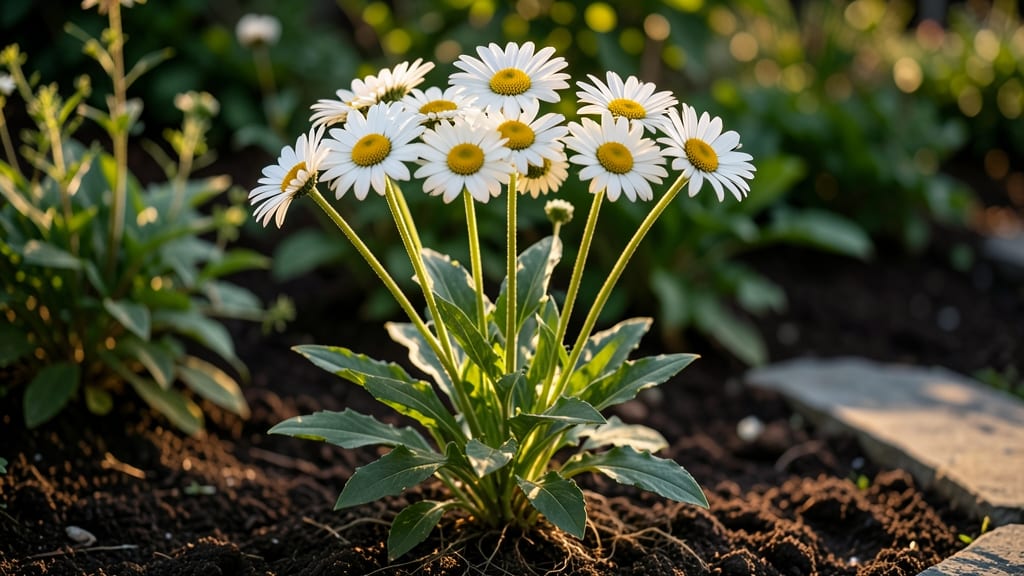
The Shasta daisy bloom season stretches from late spring through early summer, but the exact timing depends on whether your variety responds to heat or frost — and where you garden.
If you’ve ever dreamed of a garden bursting with towering, snow-white blooms that seem to defy the seasons, these classic perennials are your answer. Their blooms arrive in response to temperature shifts, making them unpredictable unless you know the secrets of their varieties and growing zones.
In USDA Zone 6a, where I garden, most Shasta daisies start opening in June and keep going until September, but cooler climates trigger earlier blooms, while hotter regions may push them back. The key to extending that show? A few simple gardening tricks that manipulate their natural rhythms.
Below, I’ll break down how to read your local climate, choose the right varieties for your region, and keep those bright white blooms coming from June all the way through summer’s end.
When Shasta daisies bloom: heat-responsive vs. frost-triggered varieties explained
Shasta daisies (Leucanthemum × superbum) are famous for their romantic, snow-white blooms, but their bloom triggers vary wildly depending on the variety. Some burst into flower when warmth arrives in spring, while others wait for fall frost to signal blooming.
Understanding these differences helps you time your garden perfectly for year-round color.
In USDA zones 3-5, frost-sensitive varieties like 'Becky' often bloom late June to August, while heat-responsive types like 'Alaska' may start as early as May in warmer zones (6-9).
The key lies in their genetic response to temperature shifts—some need consistent warmth, others cold snaps to break dormancy.
The comparison table below breaks down popular varieties by their bloom triggers, ideal zones, and seasonal timing. Use this as your garden planning guide to choose daisies that align with your climate.
| Variety | Bloom Trigger | Peak Bloom Months | USDA Zones | Height (ft) |
|---|---|---|---|---|
| 'Becky' | Heat-responsive | June–August | 5–9 | 2–3 |
| 'Alaska' | Frost-triggered | July–September | 3–8 | 2–3 |
| 'Krasavitsa' | Heat-responsive | May–July | 4–9 | 2–2.5 |
| 'White Lady' | Frost-triggered | August–October | 3–7 | 3 |
| 'Snowstorm' | Heat-responsive | June–September | 4–9 | 2.5–3 |
Heat-responsive varieties like 'Becky' and 'Krasavitsa' thrive in warmer climates (zones 6-9) and bloom as soon as soil temperatures hit 60°F consistently. These are ideal for early-season color in regions with mild winters.
On the other hand, frost-triggered types like 'Alaska' and 'White Lady' need cooler nights (50–55°F) to initiate flowering. In USDA zones 3–5, they often bloom later in summer or even into early fall, extending your garden's season.
For gardeners in transition zones (5–6), mixing both types creates a continuous bloom display. Plant heat-responsive varieties in full sun and frost-triggered ones in partial shade to stagger their flowering cycles.
Temperature fluctuations can delay or advance blooming. For example, an early heatwave might push 'Becky' to bloom in May instead of June, while a late frost could delay 'Alaska' until September. Monitor your local frost dates and adjust planting times accordingly.
Pro tip: If you live in a hot, dry climate (zones 8–9), prioritize frost-triggered varieties to avoid heat stress that can cause buds to drop before opening. Mulch heavily to retain soil moisture and protect roots from extreme temperatures.
Experiment with cutting back foliage in early spring to encourage earlier blooming in heat-responsive types. For frost-triggered daisies, avoid heavy pruning until after the first frost to preserve energy for fall blooms.
🌼
How to extend your Shasta daisy bloom season with simple gardening hacks
Shasta daisies naturally bloom from late spring to early summer, but with the right techniques, you can stretch their showtime well into October. The key lies in understanding their heat-responsive and frost-triggered blooming patterns while manipulating growing conditions.
Even in USDA zones 3-9, these hacks will transform your garden into a continuous white cloud.
Many gardeners miss the trick of deadheading and strategic pruning—two simple acts that can extend blooms by 4-6 weeks. Pair these with soil temperature adjustments and companion planting, and you’ll enjoy those iconic daisy faces long after your neighbors’ gardens have gone quiet.
Let’s dive into the seasonal maintenance steps that work like magic.
- 🌸 Deadhead daily – Snip spent blooms at the base to redirect energy to new buds. Use clean shears to avoid disease.
- ☀️ Adjust soil warmth – Mulch with straw or black plastic in spring to speed up early blooms, or use shade cloth in summer to delay dormancy.
- ✂️ Prune strategically – Cut back 1/3 of foliage after first bloom to stimulate reblooming. Do this in early July for a late-season surge.
- 🌿 Plant companions – Pair with Russian sage or black-eyed Susans to fill gaps when daisies fade, creating a continuous color show.
- 💧 Water deeply weekly – Morning watering (1-2 inches) keeps roots cool, preventing stress that shortens bloom time.
Start with deadheading—this isn’t just about looks. When you remove faded blooms, you’re telling the plant to stop producing seeds and focus on creating new flower buds. I like to do this first thing in the morning when blooms are fully open and crisp.
Use sterilized pruners or even clean fingers to pinch off the entire flower head just above the foliage.
Next, pruning is your secret weapon for reblooming. After your Shasta daisies finish their first flush (usually June-July), give them a light haircut. Cut back the tallest stems by about 1/3 to encourage lateral branching.
This works especially well for varieties like 'Becky', which are known for their prolific reblooming when pruned correctly.
Don’t overlook soil temperature—it’s the silent director of your daisies’ bloom timeline. In cooler climates (zones 3-5), use black plastic mulch in early spring to warm the soil faster, triggering earlier blooms.
In hotter zones (7-9), a 30% shade cloth can delay dormancy and keep them flowering into October. Test your soil’s temperature at 4 inches deep—ideal bloom triggers occur at 60-70°F.
Finally, companion planting turns your daisies into season-long stars. Pair them with late-summer perennials like sedum or coneflowers to bridge the gap when daisies start winding down. This creates a natural transition in your garden’s color palette, ensuring you never have a bloomless moment from June to October.
With these simple but powerful hacks, your Shasta daisies will outlast the competition—and your neighbors will be asking for your gardening secrets. The best part? These methods work for all varieties, from 'Alaska' (early bloomer) to 'Krasavitsa' (late-season performer). Happy blooming! 🌼