
Blooming
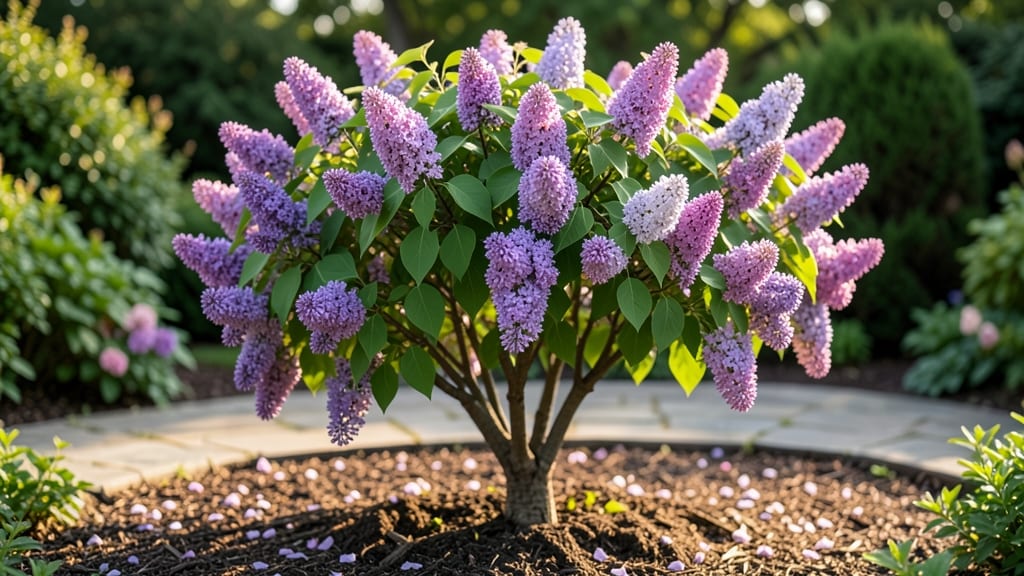
Lilacs bloom on old wood, meaning their flowers develop on previous year's growth rather than fresh shoots. Pruning after blooming ensures next year's flowers remain intact, while trimming too early risks removing buds for future displays.
This unique growth habit explains why lilacs are such reliable bloomers—buds form in late summer on mature stems, then spend winter dormant before bursting into color. 🌸 The key is patience: new growth from pruning won't flower until its second season, which is why gardeners wait until after blooms fade before shaping their shrubs.
I've seen many well-meaning pruners accidentally cut off next year's flowers by trimming too aggressively in spring.
For best results, use clean, sharp shears to make cuts just above a bud or branch junction. Never remove more than one-third of the plant at once, and avoid heavy pruning in fall when buds are forming.
The right timing and technique can turn your lilacs into a fragrant, long-lasting centerpiece year after year.
💡 In This Article
- Why Lilacs Flower on Old Wood
- Best Pruning Practices for Lilac Blooms
Why lilacs flower on old wood
Lilacs are unique because their flower buds form in late summer—typically around August—on the previous year's woody stems rather than on fresh spring growth. This process is called monopodial blooming, where flowers emerge from mature wood that's at least one year old.
The buds remain dormant through winter, protected by a waxy coating that prevents freezing, and only swell in spring when temperatures consistently stay above 50°F.
The science behind this involves a hormonal signal called florigen, which triggers bud formation in response to shortening daylight hours. Once formed, these buds need 6-8 weeks of chilling (below 40°F) to break dormancy—a process called vernalization.
This is why lilacs planted in warm climates often bloom later or more sparsely, as they may not get enough cold exposure. The buds themselves are tiny—about the size of a grain of rice when they first form—and contain all the genetic instructions needed to develop into full blooms.
What makes this growth habit fascinating is how it contrasts with other flowering shrubs. For example, roses bloom on both old and new wood, while hydrangeas produce flowers on current season's growth. Lilacs' reliance on mature stems means any pruning that removes these stems will eliminate next year's blooms.
This is why gardeners must wait until after flowering—typically in late May to June—to prune, giving buds time to form on the remaining stems for the following season.
Here's what happens if you prune too early: The plant's energy shifts to producing new growth rather than forming flower buds. Those fresh shoots won't bloom until their second year, which means you'd sacrifice two seasons of flowers for one season of foliage.
I've seen this mistake lead to lilacs producing only leaves for 18-24 months after aggressive spring pruning, which is why timing is everything with these fragrant shrubs.
The mature wood itself plays a crucial role too. Older stems contain more stored nutrients and have thicker bark that provides better protection against temperature swings. This is why established lilacs (those with stems at least 3-4 years old) tend to produce more abundant blooms than younger plants.
The bark's texture also helps retain moisture during dry spells, supporting bud development.
Consider this visual comparison: A properly pruned lilac bush after blooming will have numerous stems with 1-2 inch segments of last year's growth remaining, each potentially bearing 5-20 buds for next season.
In contrast, a bush pruned too early might have only new green shoots with no visible buds, setting up a cycle of delayed flowering. The scent alone—often described as sweet, syrupy, or even slightly spicy—rewards this careful approach.