
Blooming
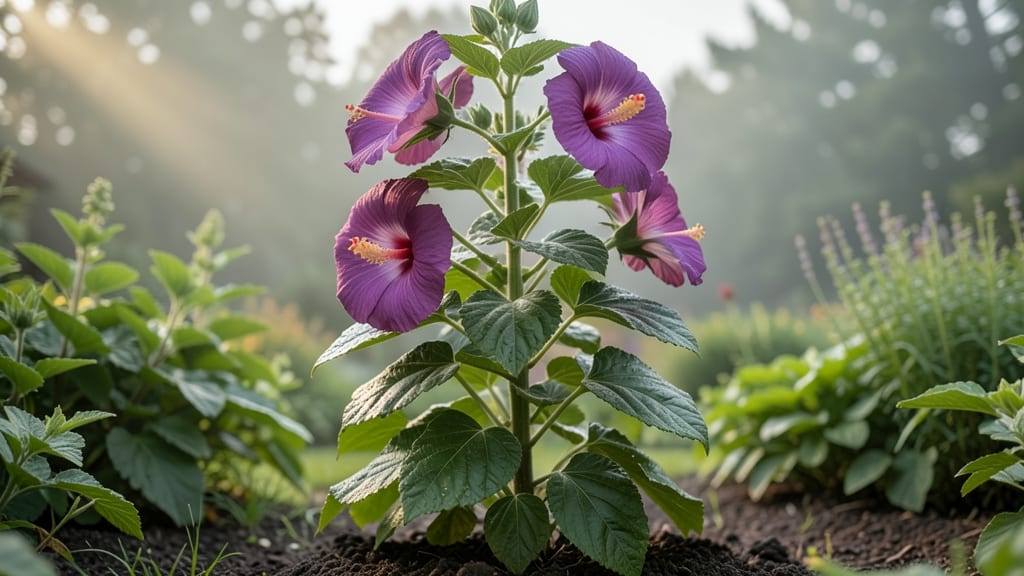
Minnesota summers deserve gardens bursting with color, and purple perennials are the secret weapon for effortless beauty. These 10 low-maintenance plants thrive in MN’s climate, offering continuous blooms from June to frost—perfect for pollinators and lazy gardeners alike.
Coneflower (Echinacea Purpurea)
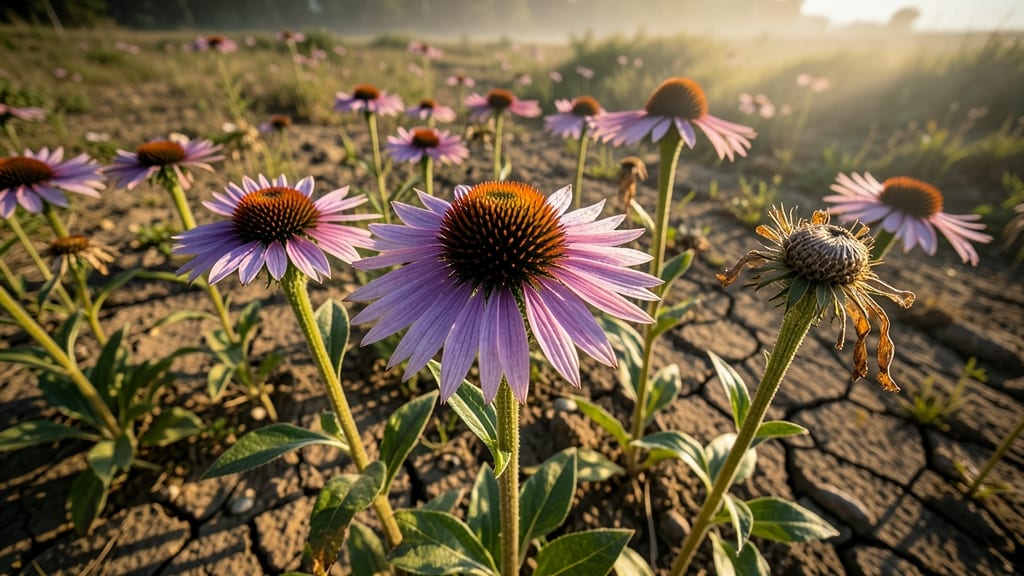
When Minnesota’s summers bring both scorching heat and sudden downpours, coneflower (Echinacea purpurea) stands tall as the ultimate survivor. Its drought-tolerant roots and deer-resistant foliage make it a low-stress choice for even the busiest gardeners.
Plant it in full sun to partial shade and watch it reward you with butterfly and hummingbird visits all summer long. The key to long blooms? Deadhead spent flowers in early fall to encourage next year’s stems. This hardy perennial thrives in MN’s USDA Zones 3-9, making it perfect for both urban and rural gardens.
Whether you’re a beginner or a seasoned gardener, coneflower delivers color, pollinators, and resilience without the fuss. 🌻
Russian Sage (Perovskia Atriplicifolia)
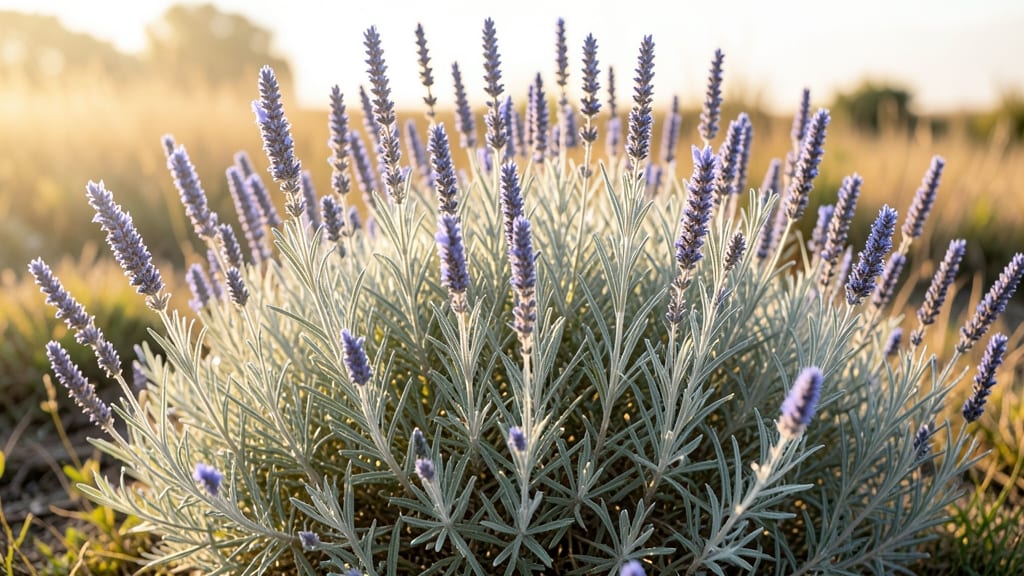
Tired of perennials that demand constant deadheading or struggle through MN winters? Russian sage (Perovskia atriplicifolia) delivers nonstop lavender-blue blooms from midsummer to frost—no fuss required. This drought-tolerant beauty thrives in full sun and even improves with age, making it a true workhorse for pollinator gardens.
Its silvery, aromatic foliage adds texture year-round, while the airy flower spikes attract bees and butterflies without needing extra water or fertilizer. Unlike many perennials, Russian sage survives harsh winters with no protection, and its self-cleaning blooms stay tidy without deadheading. Plant it in borders, meadows, or even containers for effortless color.
Urban gardeners and beginners will love its zero-maintenance nature—just plant it once and enjoy decades of blooms. 🌿
Catmint (Nepeta Faassenii)
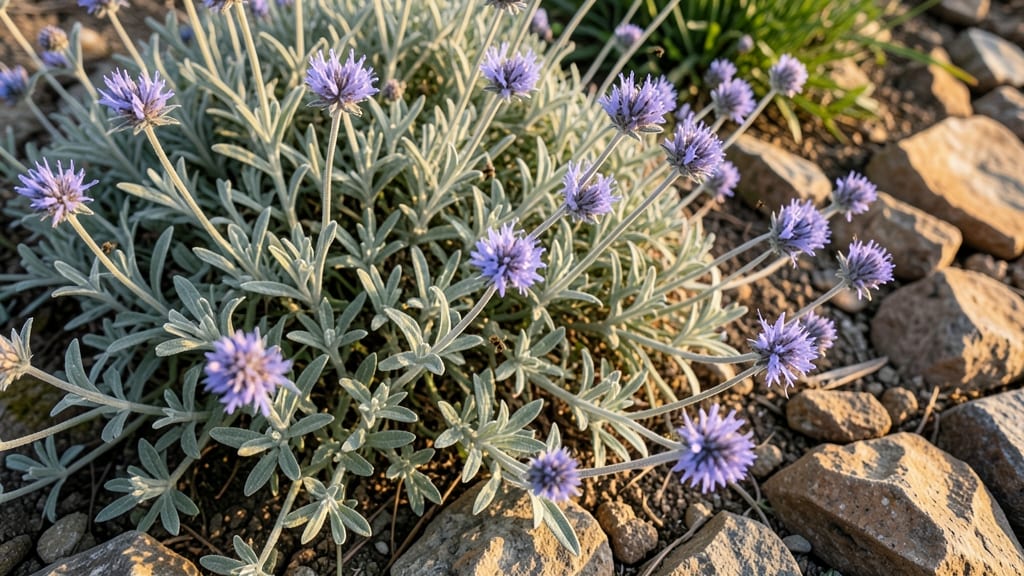
Tired of plants that wilt under deer pressure or struggle in rocky MN soil? Catmint (Nepeta Faassenii) is your game-changer—a fragrant, self-seeding superstar that thrives where others fail. Its lavender-blue blooms not only repel mosquitoes but also attract bees, making it a dual-purpose powerhouse for your garden.
This hardy perennial handles MN’s short growing season and poor soils with ease, spreading gently to fill gaps without becoming invasive. Plant it in full sun to part shade, water sparingly once established, and enjoy blooms from early summer through fall. The fuzzy foliage adds texture, while its deer-proof nature means fewer losses to hungry critters.
Perfect for beginners or busy gardeners, catmint requires almost no maintenance after the first year. Let it self-seed for effortless renewal, or snip back stems in early spring to encourage fresh growth. Add it to borders, pollinator gardens, or even containers for a low-fuss, high-impact purple display. 🌿
Bee Balm (Monarda Didyma)
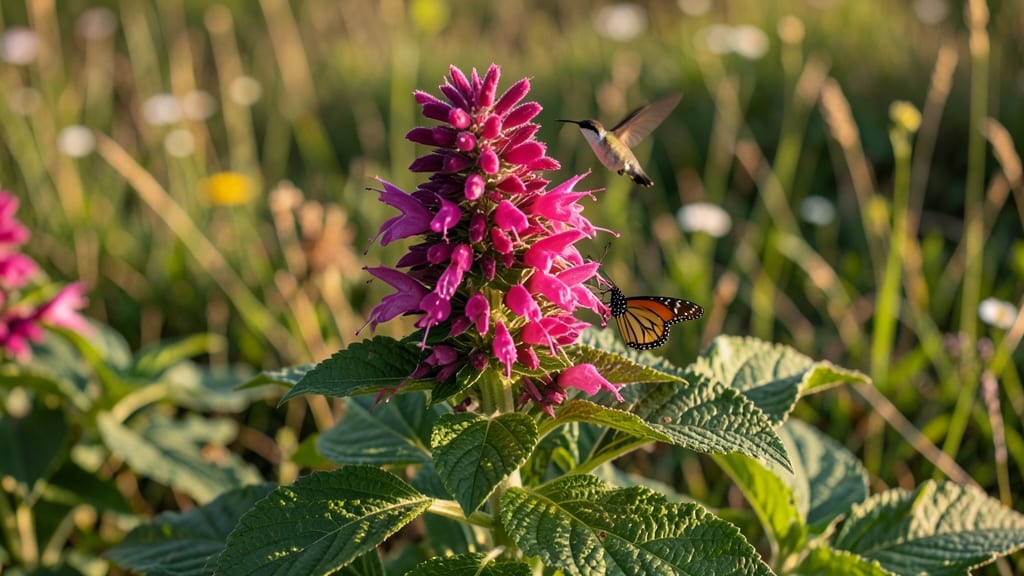
If you crave a perennial that doubles as a pollinator magnet and a fragrant kitchen herb, bee balm (Monarda didyma) is your answer. This MN-native stunner features bold magenta-pink blooms that hummingbirds and butterflies can't resist, plus leaves that smell like citrus when crushed.
Plant it in moist, well-drained soil with 4-6 hours of sun—it thrives in both garden beds and containers, making it perfect for small spaces. Deadhead spent blooms to encourage continuous summer flowering, and watch as your garden becomes a buzzing hub of activity. The 'Jacob Cline' cultivar is especially hardy for Minnesota's climate.
Urban gardeners and pollinator enthusiasts will love bee balm's dual-purpose appeal—it's as beautiful as it is functional. 🌟
Salvia (Salvia Nemorosa)
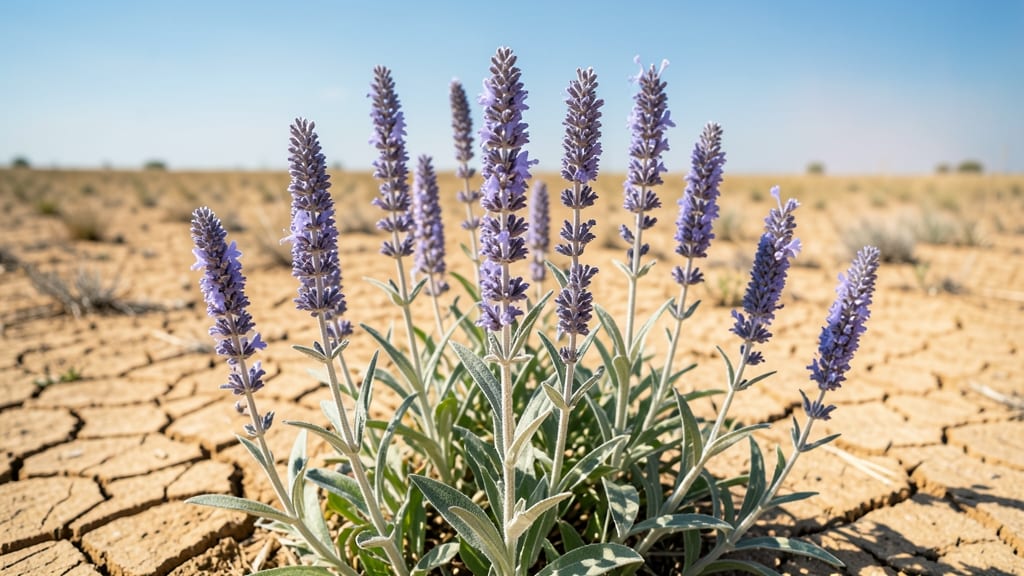
When Minnesota’s summer heat arrives with a vengeance, Salvia nemorosa stands tall as your secret weapon. Unlike moisture-loving perennials, this plant thrives in the dry, hot conditions that often plague July and August, producing lavender-blue flower spikes that bloom from June straight through frost.
Plant it in full sun with well-draining soil, and you’ll get zero-maintenance color that hummingbirds adore. Unlike bee balm or catmint, salvia doesn’t need deadheading—its spent blooms simply fade into the foliage. For best results, shear back the stems in early spring to encourage fresh growth, and watch it bounce back stronger than ever.
This is the ideal choice for urban gardeners with limited water access or gardeners in rocky, dry areas. It’s also perfect for cutting gardens since the stems hold up beautifully in vases. 🌻
Black-Eyed Susan (Rudbeckia Hirta)
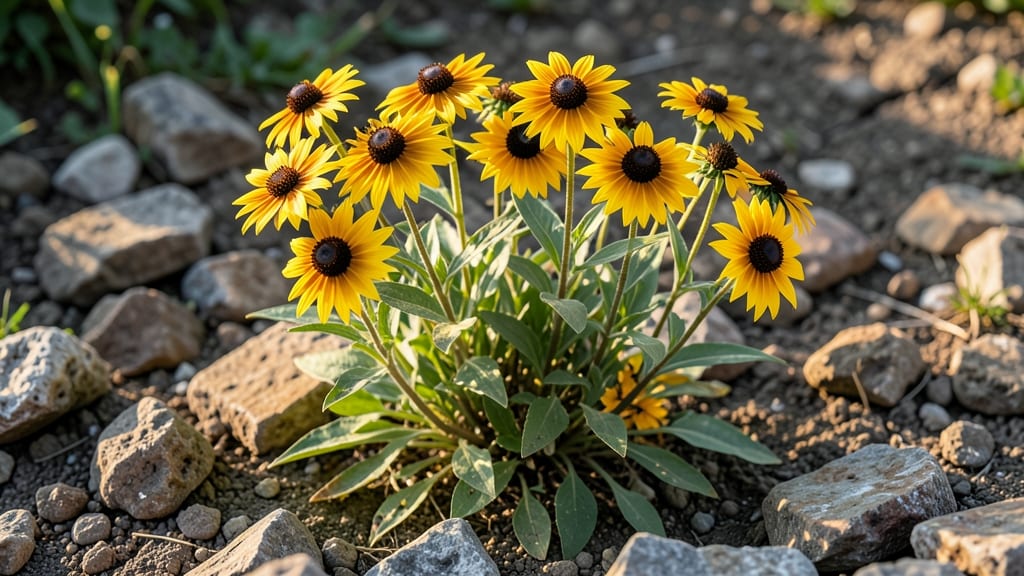
If you’ve ever struggled with rocky, poor-quality soil in your MN garden, black-eyed Susan (Rudbeckia hirta) is your secret weapon. This cheerful perennial thrives where others fail, popping up year after year with minimal effort—making it a favorite for pollinators and lazy gardeners alike.
Plant it in full sun to partial shade and watch its golden-yellow centers with dark purple petals bloom from midsummer to frost. Unlike fussy perennials, black-eyed Susans self-seed reliably, creating natural drifts over time. They’re also drought-tolerant once established, perfect for MN’s unpredictable weather. Deadhead spent blooms to encourage more flowers, but don’t worry if you skip this step—they’ll still shine.
This hardy plant is ideal for beginner gardeners or anyone with tough growing conditions. Pair it with native grasses or other pollinator-friendly perennials for a low-maintenance, high-impact garden. 🌻
Lavender (Lavandula Angustifolia)
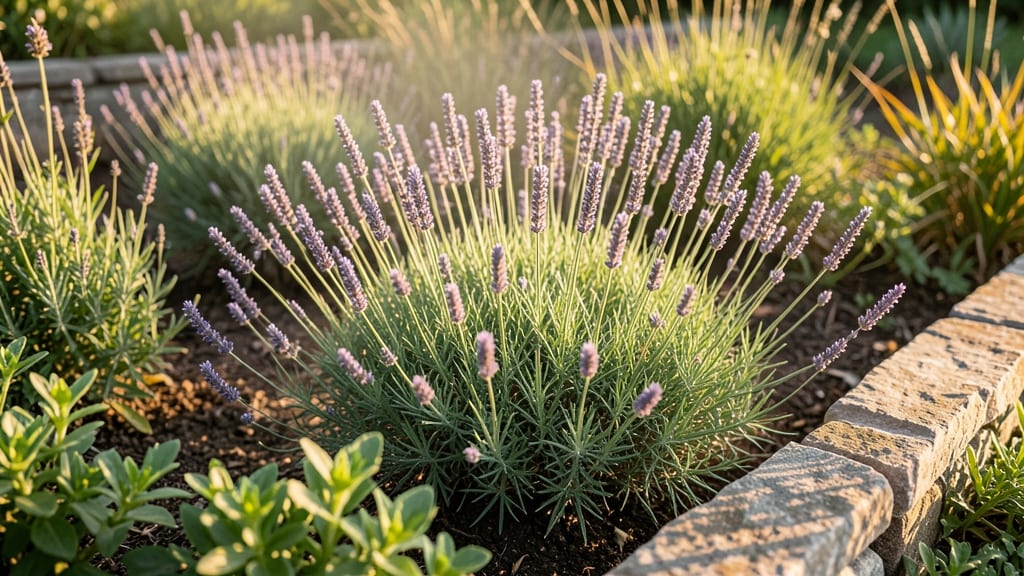
If you love the scent of a French countryside garden but struggle with MN’s alkaline soils and deer raids, English lavender (Lavandula angustifolia) is your perfect match. This versatile perennial thrives in Minnesota’s tough conditions while offering fragrant blooms, culinary uses, and zero fuss.
Plant it in full sun with well-draining soil—even rocky or alkaline areas—and water sparingly once established. The drought-resistant spikes bloom from mid-summer to fall, attracting bees while repelling deer. Snip stems for sachets or culinary garnishes, or let it spread naturally in borders. Prune lightly after flowering to encourage next year’s growth.
This is the ideal plant for urban gardeners with small spaces or country homesteaders who want beauty and utility. Plus, its silvery foliage adds texture year-round. 💚
Shasta Daisy (Leucanthemum Superbum)
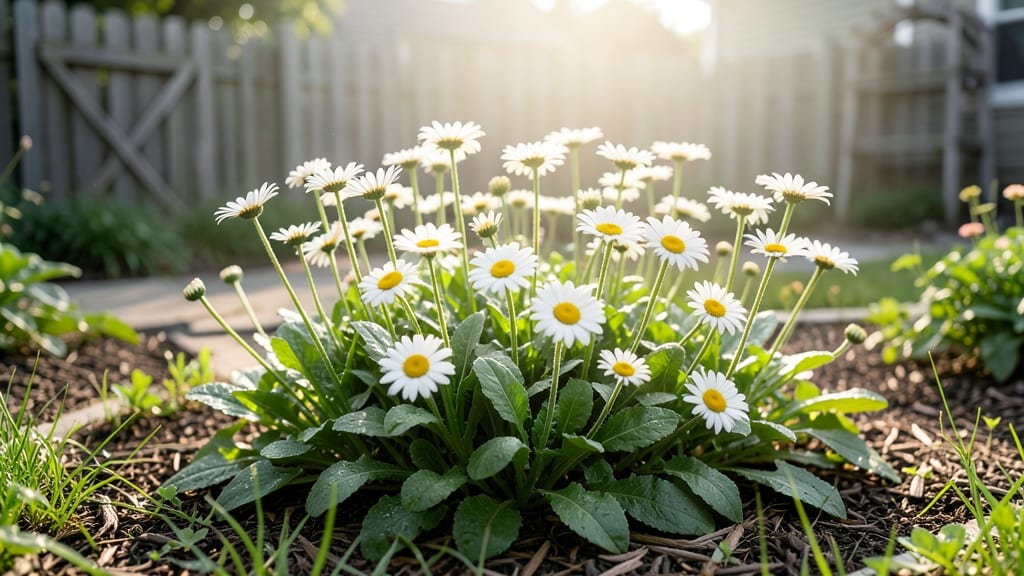
If you love timeless cottage garden charm but hate high-maintenance perennials, Shasta daisies are your perfect match. These classic blooms thrive in Minnesota’s humid summers, reblooming continuously from early summer to frost with almost no effort—ideal for gardeners who want beauty without the fuss.
Plant them in full sun to partial shade with well-drained soil, and they’ll reward you with 3-4 inch white-and-purple blooms that make stunning cut flowers. Deadhead spent blooms to encourage more flowers, but even if you skip this step, they’ll keep blooming. Their disease-resistant foliage handles Minnesota’s moisture better than many other daisies.
Perfect for beginners, pollinator gardens, and cottage-style beds, Shasta daisies bring old-fashioned elegance with modern resilience. 🌷
Purple Coneflower (Echinacea Purpurea 'White Swan')
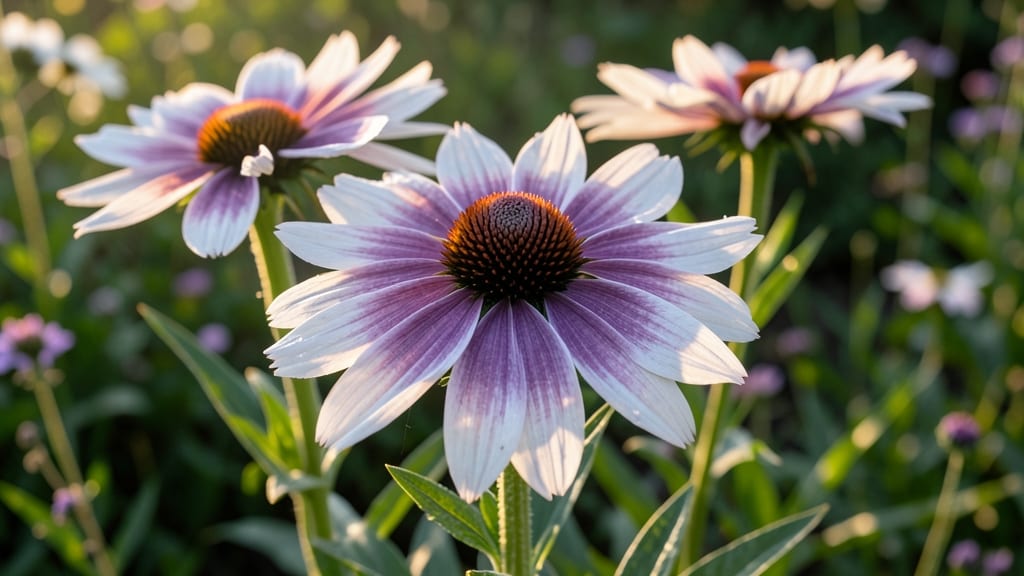
Tired of seeing the same old purple coneflowers in every garden? Echinacea purpurea 'White Swan' flips the script with its ethereal white-and-purple blooms, standing out like a showstopper while still attracting monarchs and other pollinators. Unlike traditional purple coneflowers, this cultivar thrives in MN’s heavy clay soils without fuss, making it a dream for gardeners with difficult terrain.
This variety blooms from mid-summer to frost, offering long-lasting color with minimal care—just deadhead spent blooms to encourage more flowers. It also handles drought and humidity like a champ, perfect for Minnesota’s unpredictable summers. The tall stems (2-4 feet) make it ideal for back-of-border planting or cutting gardens.
Perfect for pollinator gardens, cottage-style beds, or even containers, 'White Swan' brings a fresh twist to classic coneflowers while keeping the same hardy, low-maintenance appeal. 🌻
Hibiscus (Hibiscus Moscheutos)

Want to add a tropical vibe to your MN garden without the fuss of tender plants? Hibiscus moscheutos, also called the swamp hibiscus, thrives in Minnesota’s moist soils and delivers dinnerplate-sized purple blooms that turn heads in cottage gardens or near ponds. Unlike its tropical cousins, this hardy perennial handles cold winters and loves the humidity of northern summers.
Plant it in full sun to partial shade with consistently moist soil—think rain gardens or low spots where water collects. The key to long blooms is deadheading spent flowers in early fall and cutting back stems in late winter. With its bold, showy blooms, this hibiscus attracts hummingbirds and adds drama to any garden design, whether you’re creating a romantic cottage border or a pollinator-friendly water feature.
Perfect for gardeners who love statement-making plants but want something tough enough for MN’s climate, this hibiscus is your secret weapon for late-summer color. 🌷