
Blooming
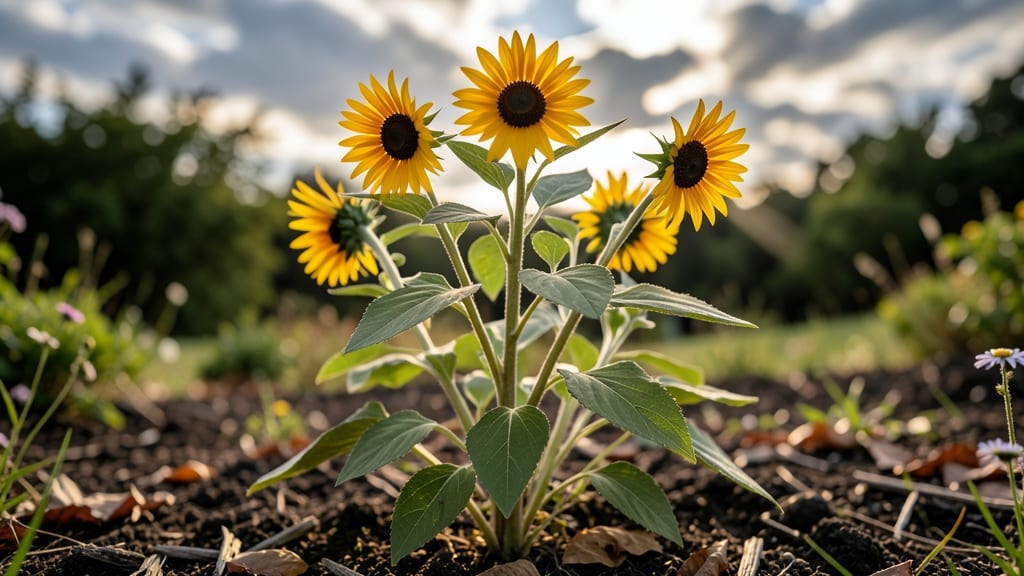
The Black Eyed Susan bloom season delivers bold, golden-yellow flowers that light up gardens from late summer through early fall 🌼 — but timing matters if you want the showiest display.
Picture this: you’ve just planted your March-April seedlings, and now you’re waiting for those vibrant blooms to appear. But here’s the catch — whether you’re in USDA Zone 6a or further south, the exact timing shifts.
Too early, and you might miss the peak; too late, and you’ll settle for a shorter show.
In Zone 6a, expect blooms to kick off in June and stretch through September, but warmer climates can push that window earlier. The key? Planting in the right window and giving them the care they need to keep flowering longer.
Below, I’ll break down the zone-by-zone timeline, share tips to extend their bloom season, and even suggest the best varieties for staggered color. Ready to plan your garden’s golden highlight?
Black Eyed Susan bloom season by USDA plant hardiness zone
Black Eyed Susans (Rudbeckia hirta) are the golden stars of late summer gardens, but their bloom timing varies dramatically across the country. Whether you're in Zone 3 with its short summers or Zone 10 where frost is rare, knowing your zone helps you plan for peak color.
These hardy perennials typically bloom from July to October, but regional microclimates can shift that window by weeks or even months.
The key to stunning Black Eyed Susan displays lies in understanding how temperature shifts, daylight hours, and soil warmth trigger their blooms. In colder zones, flowers may appear earlier but fade faster with frost, while warmer zones enjoy prolonged color into fall.
Let's break down the bloom seasons by zone so you can time your garden's golden explosion perfectly.
🌱 Pro Tip: Plant in spring after frost (March-April in most zones) for first-year blooms, but established plants will reward you with self-seeding and longer displays in subsequent years.
In Zones 3-4, where summers are short, Black Eyed Susans make a dramatic late-summer statement but may fade by early October. Gardeners in Minnesota, Maine, or the northern Rockies should plant early and deadhead spent blooms to encourage reblooming before frost.
The 100-day growing season in these zones means timing is critical—plant in May for any chance at blooms.
Gardeners in Zones 5-6—think Chicago, Denver, or the Northeast—enjoy the classic late-summer to early fall display. This is the prime zone for Black Eyed Susans, with blooms stretching from July through October.
In these areas, you'll often see wild-type varieties naturalizing in meadows and roadsides, where they thrive with minimal care.
Southern gardeners in Zones 7-8 (like Atlanta, Dallas, or San Francisco) get a longer, more flexible bloom window. Here, Black Eyed Susans often start flowering in early August and can continue into November, especially with regular deadheading.
The milder winters allow for self-seeding and multi-year displays with little effort.
For Zones 9-10, including California, Florida, or Texas, Black Eyed Susans become near-perennial performers. With frost-free winters, they may bloom year-round in ideal conditions, though they typically peak in summer and fall.
In Southern California, for example, you might see June through December color, while Florida's humidity can extend blooms even longer.
🌿 Regional Tip: In high-altitude areas (like Colorado Springs or Denver), plant 2-3 weeks earlier than your zone suggests—cool mountain nights delay blooming. Conversely, coastal zones (like Seattle or Portland) may see later blooms due to milder summers.
To maximize your Black Eyed Susan season, consider staggered planting—sow
How to extend Black Eyed Susan bloom season with proper care
Black Eyed Susans (Rudbeckia hirta) are showstoppers in late summer gardens, but their bloom season can feel short-lived. With the right care, you can stretch those golden-yellow blooms for weeks longer, ensuring your garden stays vibrant well into fall.
The secret lies in a few simple yet effective techniques that encourage continuous flowering.
First, let’s address the most critical factor: deadheading. This isn’t just about tidying up—it’s a direct way to signal your plants to produce more flowers. When you remove spent blooms, you’re redirecting the plant’s energy from seed production back into creating new buds.
Think of it as giving your Black Eyed Susans a gentle nudge to keep blooming.
🌼 5 Pro Tips to Extend Bloom Season
- ✂️ Deadhead regularly – Snip off faded blooms weekly to encourage new growth.
- 💧 Water deeply – Provide 1-2 inches of water per week, especially during dry spells.
- 🌱 Fertilize lightly – Use a balanced 10-10-10 fertilizer every 4-6 weeks in spring and summer.
- 🌿 Mulch the base – Apply 2-3 inches of mulch to retain moisture and regulate soil temperature.
- 🌻 Plant companions – Pair with drought-tolerant plants like coneflowers or salvia to reduce competition.
Next, focus on soil health. Black Eyed Susans thrive in well-draining soil with a slightly acidic to neutral pH (6.0-7.0). Before planting, amend your soil with compost or aged manure to improve fertility.
This ensures your plants have the nutrients they need to produce abundant blooms. Avoid over-fertilizing, though—too much nitrogen can lead to lush foliage at the expense of flowers.
Watering plays a pivotal role in extending bloom season. While Black Eyed Susans are drought-tolerant, they’ll reward you with longer flowering if you provide consistent moisture, especially during their peak bloom season. Water deeply in the morning to reduce evaporation and fungal risks.
Let the top inch of soil dry out between waterings, but never let the roots dry completely—this can stress the plant and shorten its bloom time.
Don’t overlook the power of companion planting. Strategic pairings can protect your Black Eyed Susans from pests, improve soil health, and even extend their bloom season. Plant them near marigolds to deter nematodes or lavender to repel aphids.
These companions create a healthier environment, allowing your Black Eyed Susans to focus their energy on producing more blooms rather than fighting off pests.
Finally, consider late-season varieties like 'Indian Summer' or 'Cherokee Sunset.' These cultivars are bred to bloom later into fall, naturally extending your garden’s color palette. Pair them with early-blooming varieties like 'Becky' to create a staggered display that keeps your garden lively from summer through early winter.