
Blooming
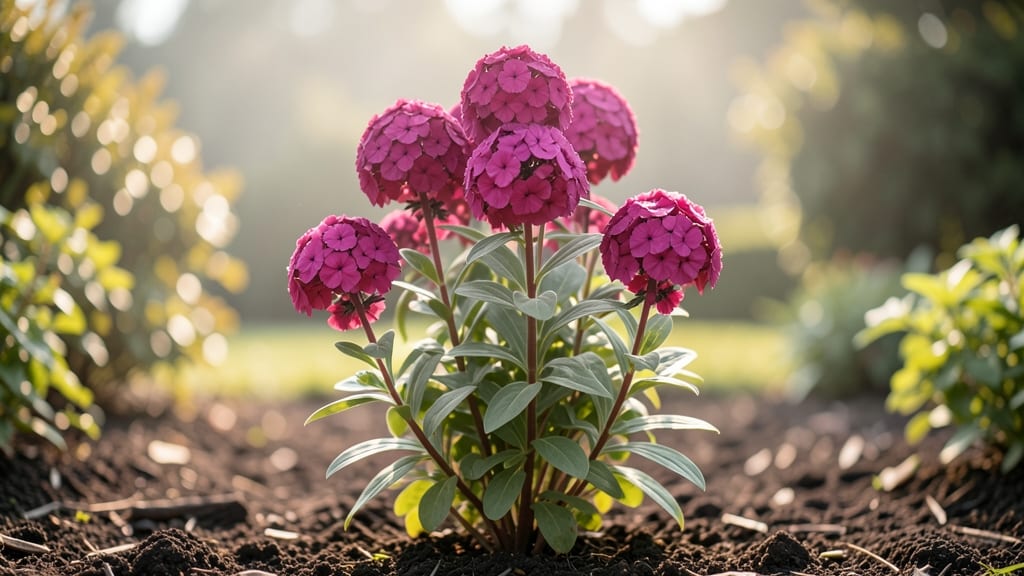
Phlox bloom time isn't just about summer—it's about predictable purple spikes that transform your garden from late spring to early fall. 🌸 I've watched my garden go from sparse to showstopping in just a few weeks, all thanks to knowing which varieties bloom when and how to coax them into performing their best.
The magic happens in May through July, but the exact timing depends on your zone and variety. Tall garden phlox (like 'David') lights up mid-June in Zone 5, while creeping phlox ('Emerald Blue') starts its ground cover show in early May.
Even in hot zones, proper watering keeps those blooms coming until frost. You'll end up with a garden that feels like a nonstop floral parade, with phlox overlapping neatly with peonies, black-eyed Susans, and late-summer asters. The secret?
Planting varieties with staggered bloom times and giving them morning sun to keep them cool. Works for borders, containers, or cutting gardens—just match your phlox to your climate and watch the color show begin. Let's get those spikes blooming!
📚 In This Guide
- What you need
- Instructions
- Tips and common mistakes
- Wrapping up and next steps
What you need
- ● Phlox plants: 10–20 phlox seedlings (perennial varieties like Phlox paniculata or Phlox subulata)
- ● OR 1–2 packets of phlox seeds (if starting from scratch)
- ● Soil: 1–2 cubic yards of well-draining, slightly acidic soil (pH 6.0–7.0). Mix in compost (1–2 bags) for nutrients.
- ● Fertilizer: Balanced 10-10-10 fertilizer (1–2 lbs) for planting
- ○ Slow-release rose or flower fertilizer (optional, for extended blooms)
- ● Watering supplies: Garden hose with adjustable nozzle (for gentle watering)
- ○ Drip irrigation kit (optional, for consistent moisture)
- ● Gardening tools: Trowel or hand shovel (for transplanting)
- ● Pruning shears (for deadheading and shaping)
- ● Gloves (to protect hands from thorns or soil)
- ● Location: Full sun to partial shade (6+ hours of sunlight for Phlox paniculata; 3–6 hours for Phlox subulata)
- ● Protect from strong winds (use stakes or a trellis if needed)
- ● Climate zone: USDA Zones 3–9 (check your zone here)
- ● Mulch (2–3 inches of pine straw or shredded bark to retain moisture)
- ● Pest deterrents (neem oil or aphid-resistant varieties)
- ● Stakes or garden rings (to support tall varieties like Phlox paniculata)
- ● Garden journal (to track bloom times by variety!)
How to time phlox blooms by variety and growing Zone
Phlox blooms aren't random—once you know the varieties and your zone, you can predict those purple spikes like clockwork.
🌱 Step 1: Choose the Right Variety for Your Bloom Window
Phlox comes in early, mid, and late-season bloomers, each with its own timing. Early varieties like Phlox subulata (moss phlox) bloom as early as late April to May, perfect for spring color. Mid-season types such as Phlox paniculata (garden phlox) typically peak in June to July, while late-season varieties like Phlox drummondii (annual phlox) stretch blooms into late summer or early fall. I always plant a mix to ensure continuous color—no boring gaps in the garden!
Check seed packets or plant tags for specific bloom times, as even within a species, varieties can differ by 1-2 weeks. For example, 'David' garden phlox blooms slightly earlier than 'Lipstick', so I plant them in separate spots to stagger the show. Zone matters too: phlox in Zone 5 blooms 2-3 weeks later than in Zone 7 due to cooler springs.
☀️ Step 2: Plant in Full Sun for Optimal Bloom Timing
Phlox needs 6+ hours of direct sun daily to set buds on time. Without enough light, blooms will be sparse and late. I plant mine where they get morning sun and afternoon shade in hotter zones—this prevents leaf scorch while still ensuring strong stems. Watch for leaves turning pale or wilting by midday—that’s your sign to move them to a slightly shadier spot.
In Zones 3-5, phlox often blooms later because cooler springs delay growth. To speed things up, I add a 2-inch layer of compost at planting time—this warms the soil faster and encourages earlier root development. Mulch with 1-2 inches of shredded bark after planting to retain moisture and regulate soil temperature, which helps buds form on schedule.
💧 Step 3: Water Consistently to Avoid Delayed Blooms
Phlox is drought-tolerant once established, but uneven watering during bud formation can push back bloom time by 1-2 weeks. Water deeply once a week (or more in Zones 8-10) until the soil feels dry 2-3 inches down. Overwatering is worse—soggy soil leads to weak stems and fungal issues that stunt blooms entirely.
I use a soaker hose for deep watering, focusing on the base of the plant to avoid wetting leaves (which can cause mildew). Start increasing water slightly 4-6 weeks before expected bloom time—this plumps up buds and ensures vibrant color. If you see drooping leaves by midday, it’s time to water again; if the soil is still damp, hold off.
✂️ Step 4: Deadhead and Fertilize for Extended Blooms
Deadheading spent blooms every 2-3 days during peak season keeps phlox producing new flowers for 4-6 weeks longer. I snip just above a set of leaves with clean pruners—this encourages bushier growth and more buds. For Phlox paniculata, I also cut back 1/3 of the plant after the first flush of blooms to trigger a second round in late summer.
Feed with a balanced 10-10-10 fertilizer at planting and again in early spring (before buds form). In Zones 6-10, a low-nitrogen, high-phosphorus fertilizer (like 5-10-10) in late spring boosts bloom size without excessive foliage. Stop fertilizing 6 weeks before your first frost—new growth won’t harden off in time.
⏰ Step 5: Adjust for Your Zone’s Frost Dates
Phlox is hardy in Zones 3-9, but bloom times shift with frost dates. In Zones 3-5, plant early-blooming varieties (like 'Sherwood Purple') in late April—they’ll bloom before summer heat arrives. In Zones 6-9, you can push it to late May for mid-season varieties without risking frost damage.
Watch your local first frost date and count backward: phlox needs 6-8 weeks of warm soil to bloom reliably. If you’re in a Zone 4 with a May 15 frost, plant in early April for June blooms. In Zone 8, where winters are mild, you can even get fall blooms from late-season varieties planted in August. Just avoid planting after July 1—new roots won’t establish before winter.
Tips & tricks for perfect phlox bloom timing
Here's what nobody tells you about getting those purple blooms to appear exactly when you want them.
Variety Pairing: When planning your garden layout, place early-blooming varieties like Phlox subulata near late-season ones to create a seamless color transition. I like to group 'David' garden phlox with 'Lipstick' varieties, but plant them 3 feet apart—this creates a natural bloom progression where one takes over as the other fades. The key is staggering their peak bloom times by about 10-14 days for continuous color.
Sunlight Strategy: For cooler zones (3-5), position your phlox where they'll catch reflected sunlight from nearby walls or fences during winter months. This extra warmth can help trigger earlier bud formation. In hotter zones (8-10), provide afternoon shade to prevent leaf scorch while maintaining that crucial 6+ hours of morning sun. I've seen phlox in Zone 9 bloom a full week earlier when planted against a south-facing brick wall.
Frost Date Math: Use this simple formula to calculate planting times: subtract 6 weeks from your first frost date, then add 1-2 weeks based on your zone. For example, if your frost date is May 15 in Zone 4, plant early varieties in early April (6 weeks before frost minus 2 weeks for cooler springs). In Zone 8, you can push planting to early May for mid-season varieties. I keep a frost date calendar handy and mark these target dates with colorful flags in my garden planner.
Deadheading Discipline: The 2-3 day deadheading schedule in Step 4 works wonders, but here's the secret: use sharp pruners and cut at a 45-degree angle just above a leaf node. This angled cut prevents water from pooling on the stem, which reduces fungal risks. I also recommend wearing gloves—phlox sap can irritate sensitive skin, and you'll be doing this frequently during peak bloom!
Pro Tips for Phlox Bloom Time
- Here's what nobody tells you about getting those purple blooms to appear exactly when you want them.
- Variety Pairing: When planning your garden layout, place early-blooming varieties like Phlox subulata near late-season ones to create a seamless color transition.
- Sunlight Strategy: For cooler zones (3-5), position your phlox where they'll catch reflected sunlight from nearby walls or fences during winter months.
Frequently asked questions
Got questions about when your phlox will burst into vibrant color? Here are some of the most common queries—and their answers—to help you plan your garden’s purple perfection!
When is the best time to plant phlox for peak blooms?
For spring-blooming phlox (like Phlox subulata), plant in early fall (6-8 weeks before frost) so roots establish before winter. Summer-blooming phlox (like Phlox paniculata) thrives when planted in spring after the last frost. Aim for well-drained soil and partial shade to extend bloom time!
Why is my phlox blooming later than expected?
Late blooms often stem from overcrowding, poor soil, or insufficient sunlight. Thin plants to 12–18" apart, amend soil with compost, and ensure 6+ hours of sun daily. Cooler springs can also delay blooms—just be patient! If flowers flop, stake them early for better support.
Can I extend phlox bloom time beyond a few weeks?
Deadhead spent blooms
regularly to encourage reblooming. For Phlox paniculata, fertilize lightly with balanced 10-10-10 in early spring and after first blooms. Pro tip: Mulch with 2–3" of organic matter to retain moisture and cool roots, which can prolong flowering by 2–4 weeks!
Will rain or humidity affect phlox bloom time?
Phlox loves moisture but hates soggy roots. While light rain is great, prolonged wet conditions can cause fungal diseases (like powdery mildew), which may stunt blooms. Ensure good drainage and space plants for airflow. If mildew appears, treat with neem oil and prune affected leaves immediately.
Are there phlox varieties that bloom earlier or later than others?
Yes! Creeping phlox (Phlox subulata) blooms earliest (late spring), while Garden phlox (Phlox paniculata) peaks in mid-to-late summer. For staggered color, mix ‘David’ (early), ‘Jeana’ (mid), and ‘Lipstick’ (late) varieties. Drummond phlox (annual) blooms in late spring/early summer—perfect for filling gaps!
What do I do if my phlox doesn’t bloom at all?
Non-blooming phlox often lacks sunlight, nutrients, or proper pruning. Check for 6+ hours of sun and fertilize with low-phosphorus (e.g., 5-10-5) in early spring. Cut back 1/3 of stems after blooming to encourage new growth. If plants are too old (4+ years), divide them in early spring for a fresh start!
Wrapping up and next steps
Understanding your phlox bloom time is key to unlocking vibrant, year-after-year color in your garden! Whether you’re growing Phlox paniculata (summer’s showstopper) or Phlox subulata (spring’s early charmer), timing is everything—paired with the right zone and care.
Now that you’ve got the scoop on varieties, zones, and pro tips, it’s time to roll up your sleeves and plant with confidence! 🌸
Ready to transform your garden? Start by selecting the perfect phlox variety for your climate, then mark your calendar for planting and maintenance deadlines. Before you know it, those predictable purple spikes will be stealing the show—and you’ll be the neighborhood’s go-to gardening guru! 🌿