
Blooming
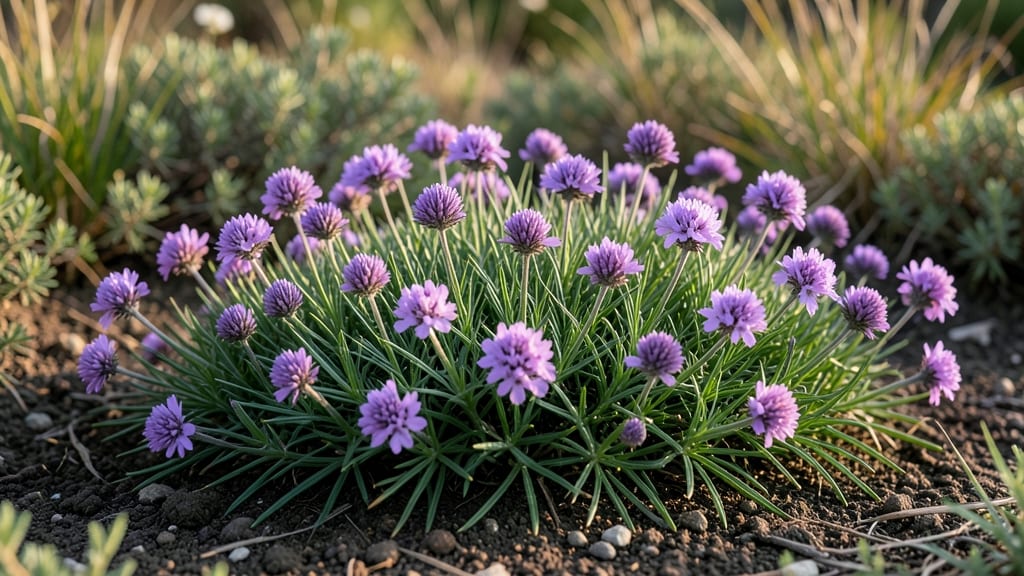
Creeping phlox does not bloom all summer—most varieties flower for 4-6 weeks in spring, with some reblooming in late summer or fall depending on climate, pruning, and variety. Early bloomers like 'Blue Ridge' peak in April-May, while 'Emerald Blue' extends flowering into June-July in cooler zones.
Creeping phlox is a spring showstopper, but its blooming window is typically brief. 🌸 The plant's energy focuses on producing vibrant flowers for just a few weeks, then shifts to foliage growth.
In warmer climates like USDA zones 7-9, some varieties may rebloom in late summer if given proper care, but this isn't the norm.
The key to extending blooms lies in deadheading spent flowers and maintaining consistent moisture—this encourages new growth and sometimes triggers a second round of flowers in late summer.
What many gardeners don't realize is that creeping phlox's blooming cycle is directly tied to daylight hours. As days lengthen in spring, the plant responds by producing flowers, but once temperatures rise and daylight shortens, it naturally enters a rest period.
This biological rhythm explains why even well-maintained plants rarely bloom continuously throughout summer. The good news? With the right pruning techniques and soil conditions, you can coax some varieties into a modest late-season display.
💡 In This Article
- Creeping Phlox Blooming Seasons by Variety and Climate
- Prolonging Creeping Phlox Blooms: Pruning and Care Tips
Creeping phlox blooming seasons by variety and climate
The blooming window of creeping phlox is primarily governed by photoperiodism—its response to daylight length. Most varieties are short-day plants, meaning they trigger flowering when daylight hours shorten after the spring equinox.
This explains why peak bloom typically occurs between 4-6 weeks in spring (March-May in most regions), with the plant's internal clock programmed to capitalize on the optimal growing conditions of early spring.
Temperature plays a crucial role too. Creeping phlox thrives in USDA zones 3-9, but its blooming patterns vary significantly by zone. In cooler northern zones (3-5), varieties like 'Blue Ridge' bloom intensely for 3-4 weeks in late spring when soil temperatures reach 50-55°F.
Meanwhile, in warmer southern zones (7-9), the same variety may bloom 2-3 weeks earlier but for a shorter duration due to rapid temperature increases. The heat of summer often causes flowers to bolt prematurely, ending the bloom cycle sooner.
Variety selection is key to extending the blooming season. Reblooming cultivars like 'Emerald Blue' or 'Sherwood Purple' are bred to handle warmer climates better, sometimes producing a modest second flush in late summer or early fall (August-September).
These varieties contain genetic traits that delay the plant's natural dormancy period. For example, 'Emerald Blue' can maintain blooms into June-July in cooler zones (5-6) but may rebloom in September if given proper care in zone 7.
Daylight sensitivity explains why creeping phlox rarely blooms continuously. Once summer solstice arrives (around June 21), the increasing daylight hours signal the plant to shift energy toward foliage growth rather than flowers.
This is why even well-maintained plants in ideal conditions will typically have one primary bloom cycle with occasional secondary blooms only in specific varieties and climates. The plant's survival strategy prioritizes establishing strong root systems for next year's growth over prolonged flowering.
Climate also affects bloom duration through moisture availability. In arid regions (like parts of zone 7-9), creeping phlox may bloom for only 2-3 weeks before entering drought-induced dormancy. In contrast, humid continental climates (zones 4-6) provide consistent moisture, allowing blooms to last 5-6 weeks.
The difference comes down to how well the plant can maintain turgor pressure in its stems—dry conditions cause flowers to wilt prematurely, cutting the display short.
Here's how daylight and temperature interact by zone:
- Zones 3-5: Peak bloom May-June (5-6 weeks), with possible late summer rebloom if pruned correctly
- Zones 6-7: Primary bloom April-May (4 weeks), occasional September rebloom in cooler microclimates
- Zones 8-9: Early bloom March-April (3 weeks), rarely reblooms due to heat stress
The science behind this involves florigen hormones—chemical signals produced when the plant detects shortening daylight. These hormones trigger bud formation, but only when soil temperatures are optimal (55-75°F). Once summer heat arrives, florigen production halts, explaining why even the hardiest varieties can't maintain continuous blooms. 🌿