
Blooming
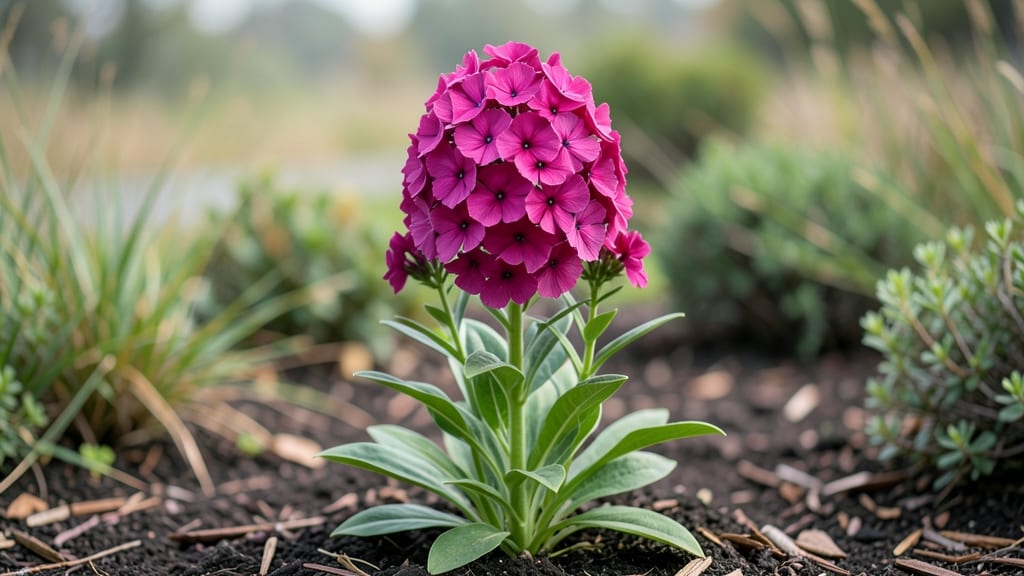
Garden phlox blooms from late spring through early fall 🌸, but timing and reblooming depend on variety, care, and your hardiness zone.
Picture this: you’ve waited all season for your phlox to shine, only for it to put on one spectacular show and then fade into the background. The truth? With the right tricks—like deadheading, pruning, and choosing reblooming varieties—you can stretch those vibrant clusters into a multi-month display.
In Zone 6, most phlox varieties burst into color by May or June, but late-season types like Phlox paniculata can keep blooming until frost. Southern gardens may see even longer seasons, while cooler climates might need a little extra coaxing.
The key? Understanding your plant’s needs and when to step in.
Below, I’ll break down the best varieties for your zone, the exact pruning schedule to trigger reblooms, and companion plants that keep the show going all summer long.
When garden phlox blooms: seasonal timing by variety type
Garden phlox (Phlox paniculata) is a summer garden staple, but its bloom time varies dramatically by variety and hardiness zone. Understanding these differences helps you plan for continuous color from early summer to frost.
Early bloomers like 'Early Callie' kick off the show, while late-season varieties such as 'David' extend the display into September. For gardeners in USDA Zones 3–9, timing adjustments can transform a single burst of blooms into a prolonged spectacle.
Your local climate plays a critical role—northern gardeners in Zones 3–5 often see blooms start 2–3 weeks later than southern gardeners in Zones 7–9.
For example, Phlox drummondii (annual phlox) thrives in warmer zones and blooms from spring through summer, while Phlox maculata (wild blue phlox) prefers cooler conditions and blooms in late spring to early summer. Let’s break down the key varieties and their seasonal windows.
🌸 Pro Tip: Always check your last frost date—most phlox varieties need soil temperatures above 50°F to break dormancy and bloom reliably.
| Variety | Bloom Window | Rebloom Tendency | Hardiness Zones | Care Tip |
|---|---|---|---|---|
| Phlox paniculata ('Early Callie') | Early July–August | Moderate (needs deadheading) | 3–9 | Prune spent blooms by 50% |
| Phlox paniculata ('David') | Late July–September | Strong (reblooms with care) | 4–8 | Fertilize in early spring |
| Phlox drummondii (Annual) | Spring–Summer (Zone 7+) | None (annual) | 7–11 | Sow seeds after frost |
| Phlox maculata ('Wild Blue') | Late May–July | None (single bloom) | 3–8 | Plant in partial shade |
| Phlox paniculata ('Lavender Lace') | Mid-July–September | Strong (reblooms easily) | 4–9 | Deadhead weekly |
For gardeners in Zones 3–5, focus on early-season varieties like 'Early Callie' or 'Blue Heaven' to capitalize on shorter summers. These varieties bloom 4–6 weeks earlier than late-season types, giving you color before heat stress sets in.
In Zones 6–9, prioritize heat-tolerant hybrids like 'David' or 'Lavender Lace', which thrive in 75–85°F temperatures and often rebloom with minimal care.
Deadheading is your secret weapon for extending bloom time. For Phlox paniculata, snip spent blooms down to the first set of healthy leaves to encourage a second flush.
Avoid cutting into old wood—this can stunt future blooms. In contrast, Phlox drummondii (annual phlox) doesn’t rebloom, so focus on succession planting for continuous color.
Soil moisture also impacts bloom timing. Underwatered phlox may produce fewer blooms or bloom later in the season. Aim for 1 inch of water per week, especially during bud formation (late spring to early summer).
Mulching with 2–3 inches of organic matter helps retain moisture and regulates soil temperature, which is crucial for northern gardeners extending their bloom season.
If your phlox blooms only once, it’s often due to over-fertilizing with high-nitrogen feeds. Instead, use a balanced 10-10-10 fertilizer in early spring and switch to a low-phosphorus formula (like 5-10-10) during blooming season. This shift encourages flower production over foliage growth, giving you more vibrant blooms.
For extended seasonal interest, pair phlox with companion plants that bloom at different times. Try coneflowers (Echinacea) for late summer color or salvias for early-season contrast. This layered approach ensures your garden stays visually dynamic from June through October.
🌿 Key Takeaway: Match your phlox variety to your hardiness zone and deadhead religiously—these two factors alone can double your bloom time.
How to trigger reblooming in garden phlox: pruning & care secrets
Garden phlox (Phlox paniculata) typically puts on a stunning first bloom in late spring to early summer, but with the right pruning techniques and care strategies, you can coax a second flush of flowers by late summer.
The key lies in understanding your phlox variety and avoiding common mistakes that stunt reblooming potential.
Wild blue phlox (Phlox maculata) often blooms just once, while garden phlox varieties like 'David' or 'Lavender Lace' have stronger reblooming tendencies. Even single-bloomers can sometimes produce a modest second show with proper care. Let’s explore how to maximize your phlox’s flowering potential without sacrificing plant health.
⚠️ WARNING: Timing is Everything for Reblooming Pruning at the wrong time can delay or prevent reblooming entirely. For Phlox paniculata, never cut back after mid-July—this sends the plant into dormancy mode.
Wild blue phlox (Phlox maculata) is even more sensitive: prune only after its first bloom cycle (usually by early June) to avoid stunting future growth. Always use clean, sharp pruners to prevent disease transmission between stems.
Start by deadheading spent blooms immediately after they fade. Pinch off flowers just above the next set of leaves or the first leaf node to redirect energy into new buds.
For taller varieties (3–4 feet), focus on removing only the faded flower heads—avoid heavy pruning of the stems unless necessary. This encourages side shoots to form, which will produce more blooms.
For light pruning to promote reblooming, trim back one-third of the plant’s height right after the first bloom cycle peaks. Use sterilized shears and cut just above a leaf node or bud to stimulate branching.
This works best for garden phlox (Phlox paniculata) but may not suit Phlox maculata, which prefers minimal interference. Fertilize lightly with a balanced 10-10-10 formula after pruning to support new growth.
Fertilizer plays a crucial role in reblooming success. Apply a low-dose, balanced fertilizer every 4–6 weeks during the growing season, but stop fertilizing by mid-summer to avoid encouraging late-season growth that won’t harden off before frost.
Over-fertilizing with high-nitrogen products can lead to lush foliage but fewer blooms. Instead, opt for a phosphorus-rich formula (like 5-10-10) to boost flowering.
Finally, water consistently but avoid soggy soil, which invites root rot. Mulch around the base with 2–3 inches of organic matter (like shredded bark) to retain moisture and regulate soil temperature.
In hot climates, provide afternoon shade to prevent stress, and in northern zones, protect plants from late-season frost with row covers if reblooming extends into fall. With these adjustments, your garden phlox can reward you with two (or even three!) bloom cycles per season.