
Blooming
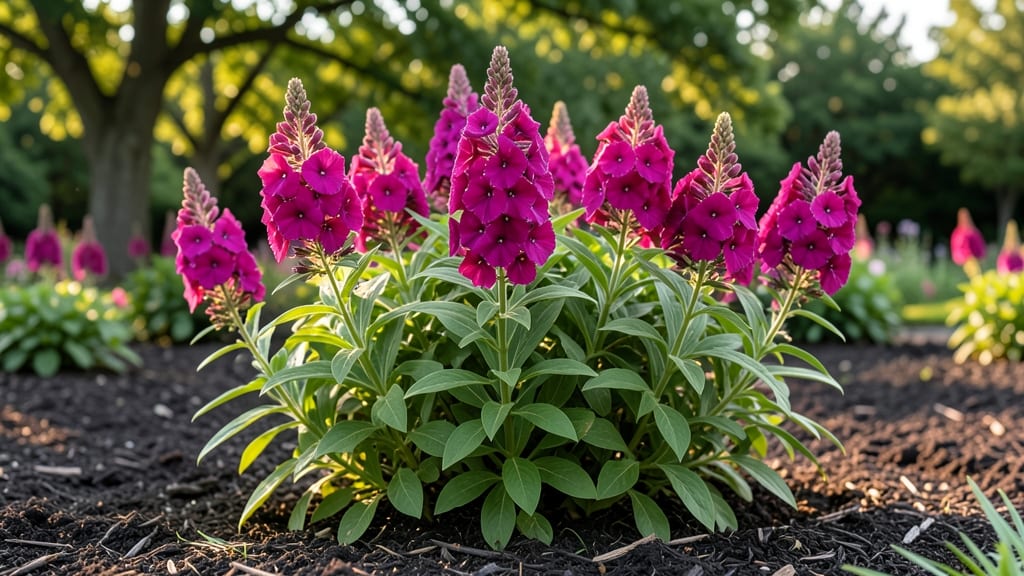
Phlox paniculata bloom time: natural seasonal cycles vs. extended reblooming
Phlox paniculata typically bursts into its first flush of blooms between late June and early July, putting on a dazzling display that lasts 4-6 weeks with proper care. This natural bloom cycle aligns with the plant's energy peak after spring growth, but many gardeners miss the opportunity to coax a second (or even third!) flush of flowers by understanding the reblooming triggers hidden in heat management and pruning techniques. The key lies in recognizing when your phlox is ready for another show—and how to create the perfect conditions.
In USDA Zone 5-7 (where most gardeners grow phlox paniculata), the first bloom arrives right as summer heat ramps up, but this same heat can signal the plant to take a break if not managed carefully.
The secret to reblooming? Strategic deadheading, light afternoon shade, and controlled watering to keep the plant energized without stressing it. Regional variations also play a role—northern climates may see earlier blooms, while southern gardeners might need to protect plants from intense afternoon sun to encourage reblooming.
🌸
| Bloom Stage | Timeframe (Zone 6) | Key Triggers | Care Actions |
|---|---|---|---|
| First Bloom | Late June - Early July | Spring growth energy peak | Deadhead spent blooms weekly |
| Rebloom Readiness | Early August | Cooler mornings + afternoon shade | Light fertilizer (10-10-10) |
| Second Bloom | Mid-August - Early Sept | Reduced heat stress | Prune leggy stems |
| Third Bloom Potential | Late Sept - Oct | Early frost protection | Mulch heavily |
| Dormancy | November - March | Cold stratification | No pruning until spring |
Your phlox paniculata's natural bloom cycle begins when the plant has stored enough energy from spring growth, typically 6-8 weeks after last frost in most regions.
The first flush of blooms appears when daytime temperatures consistently reach 75-80°F, signaling the plant to focus on flowering rather than foliage production. However, this same heat can become a reblooming roadblock if afternoon temperatures exceed 90°F—the plant may enter a survival mode rather than producing new buds.
To identify if your phlox is ready for a second bloom, watch for these three key signs: new buds forming at the stem bases, fresh green growth after the first flush, and reduced leaf yellowing. These indicate the plant has recovered energy and is preparing for another cycle.
In cooler climates (Zone 5), reblooming often occurs naturally if the first bloom isn't cut back too aggressively, while warmer zones (Zone 8+) may require afternoon shade cloth to prevent heat stress.
🌿
One common misconception is that all phlox paniculata varieties rebloom equally—this isn't true. Tall garden phlox (3-4 ft) often needs more careful management than dwarf varieties (1-2 ft), which may rebloom more reliably with minimal intervention.
For example, 'David' and 'Lipstick' are known rebloomers, while 'Blue Paradise' typically produces just one strong flush. Understanding your specific variety's tendencies is half the battle in achieving extended blooms.
The reblooming window typically opens in early August when daytime highs begin to drop below 85°F and nights stay above 55°F. This temperature shift signals the plant to transition from survival mode back to growth mode.
To capitalize on this, I recommend light pruning of any dead or leggy stems immediately after the first bloom fades—this redirects energy to new bud formation rather than supporting weak growth. Pair this with a balanced fertilizer (10-10-10) applied at the base to provide essential nutrients without overwhelming the plant.
💧
Watering plays a critical but often overlooked role in reblooming success. While phlox is drought-tolerant once established, consistent moisture during the reblooming window (August-September) encourages stronger root development and bud formation.
I've found that deep watering every 5-7 days—rather than frequent shallow watering—produces the best results, as it mimics natural rainfall patterns and prevents stress. Avoid overhead watering in the evening, as wet
Deadheading and heat triggers: step-by-step guide to prolonged blooms
Phlox paniculata doesn’t have to be a one-hit wonder! With precise deadheading and smart heat management, you can coax reblooms that last well into fall. The key is acting at the right moment—too early or too late, and you’ll miss your window. Start by deadheading spent blooms when they’re half-faded, not fully brown, to signal the plant to redirect energy into new buds instead of seed production.
Heat stress is the silent bloom-killer for phlox. Afternoon temps above 85°F can cause buds to drop prematurely. To protect your plant, provide light afternoon shade with a breathable shade cloth (30–50%) or mulch heavily to keep roots cool.
Avoid heavy watering at noon, which can scorch foliage and stress the plant further.
When to deadhead for reblooms: The 3-week rule applies—wait until 3 weeks after your first flush of blooms has peaked. This gives the plant time to store energy for a second round. Use clean, sharp pruners and cut back to just above a set of healthy leaves or a bud node. Never cut into old wood, or you’ll sacrifice next year’s blooms.
🌸 Step-by-Step Rebloom Checklist
- Step 1: Deadhead spent blooms when half-faded (not brown). Use sterilized pruners to avoid disease.
- Step 2: Apply balanced fertilizer (10-10-10) 2 weeks post-deadheading to fuel new growth.
- Step 3: Install shade cloth by midday if temps exceed 85°F for 3+ days.
- Step 4: Water deeply at dawn to encourage root growth and reduce stress.
- Step 5: Prune 1/3 of stems after second bloom to prevent overcrowding.
Fertilizing at the right time is non-negotiable. After your first deadheading, apply a balanced fertilizer (like 10-10-10) to replenish nutrients. Over-fertilizing with nitrogen will give you lush leaves but fewer blooms. Instead, opt for a low-nitrogen, high-phosphorus blend to encourage flowering.
Feed again 4–6 weeks later if you’re aiming for a third flush, but stop by mid-August to let the plant harden off before winter.
Common mistakes derail reblooming attempts. Cutting too aggressively removes next year’s buds, while ignoring heat stress causes buds to abort. Another pitfall? Deadheading too late—if you wait until flowers are fully brown and crispy, the plant has already shifted focus to seed production.
Always deadhead before buds form on spent stems to redirect energy.
With these steps, your phlox paniculata can reward you with 3 months of blooms instead of just one. The secret lies in timing, heat protection, and nutrient balance. Start now, and enjoy a longer, more vibrant display that turns heads all season long! 🌿