
Blooming
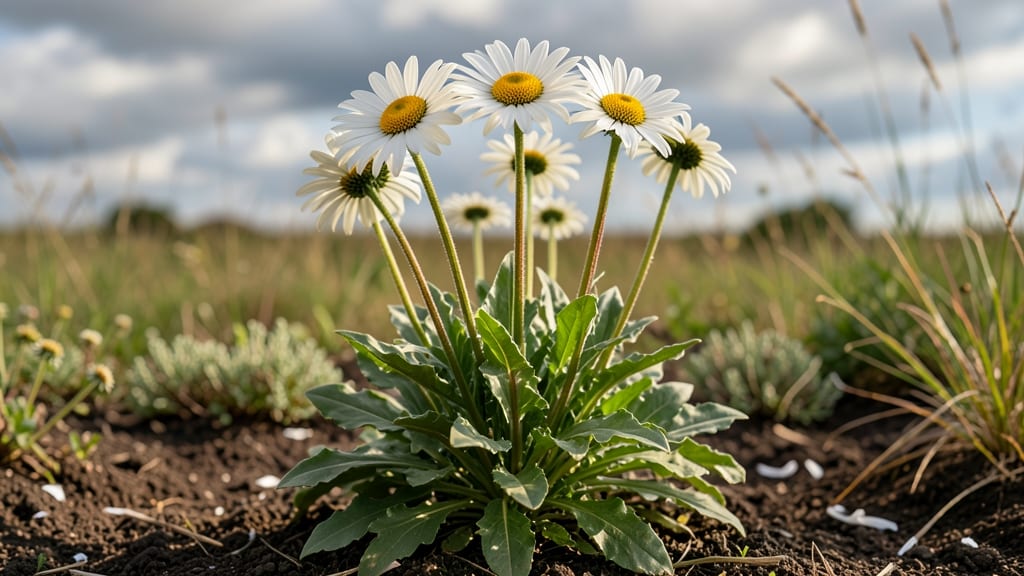
Shasta daisies do not bloom all summer—most varieties produce a single flush of flowers in early to mid-summer, though reblooming cultivars can produce sporadic blooms with proper deadheading and care. Cool weather triggers reblooming in select types.
Most Shasta daisies follow a seasonal blooming pattern tied to daylight and temperature shifts. 🌸 The classic varieties burst into bloom once in late spring or early summer, then focus their energy on seed production as days grow shorter.
Reblooming types—like 'Alaska' or 'Becky'—can produce smaller, later blooms when nights cool down, but they still need consistent care to perform. I've seen gardeners extend their season by up to 6 weeks with strategic deadheading and balanced fertilization, though even these won't match continuous bloomers like gerbera daisies.
What makes this tricky is that even reblooming Shastas often need a dormancy period to reset their cycles. If you skip deadheading or over-fertilize in late summer, you might trigger new growth that won't survive the first frost.
The key is watching your plants—when buds form again in late summer, it's your cue to reduce water slightly and protect them from early cold snaps.
💡 In This Article
- Why Shasta Daisies Have Seasonal Blooming Cycles
- How to Encourage Extended Shasta Daisy Blooms
Why Shasta daisies have seasonal blooming cycles
Shasta daisies follow a natural blooming rhythm tied to photoperiodism—the plant's response to changing daylight hours. Most varieties are short-day plants, meaning they detect shortening days in late summer as a signal to shift from flowering to seed production.
This explains why you typically see their dramatic 6- to 8-inch blooms appear in a single flush between May and July—when daylight peaks around 14-16 hours in most growing zones (5-9).
The plant's internal clock, called the circadian rhythm, regulates this transition by producing hormones like florigen only when day length drops below a critical threshold.
Temperature plays an equally crucial role in this cycle. Shasta daisies require 60-70°F daytime temperatures for optimal blooming, but cooler nights (55-60°F) actually help trigger flower buds.
This is why reblooming cultivars like 'Alaska' or 'Mary Todd' often produce smaller, later blooms in late summer or early fall—they're responding to the temperature drop that accompanies shorter days.
The science here involves a process called vernalization, where exposure to cooler temperatures resets the plant's flowering cycle, similar to how some bulbs need winter chill to bloom in spring.
What sets reblooming varieties apart is their ability to produce secondary flushes when given the right conditions. These cultivars have been selectively bred to maintain some flower-producing capability even as day length shortens.
However, they still need to conserve energy for winter survival, which is why their later blooms are often smaller and less abundant. Think of it like a marathon runner who can do a second sprint after a brief recovery—reblooming Shastas can push harder, but not indefinitely without proper care.
One key factor most gardeners overlook is the plant's energy budget. After that initial summer bloom, Shasta daisies allocate resources to building up roots and storing nutrients for winter. This is why over-fertilizing in late summer can backfire—it encourages leafy growth at the expense of flower buds and winter hardiness.
The plant's natural dormancy period (typically October through March in most climates) is when it recharges for next year's performance.
Here's how the two types compare in practice:
- One-time bloomers: Produce one massive flush (3-6 weeks) of large, showy flowers, then focus on seed production. Examples: 'Katherine' or 'Ruth' varieties.
- Reblooming types: Give 2-3 smaller flushes throughout summer/fall, with blooms lasting 2-3 weeks each. Examples: 'Alaska' or 'Becky' series.
The visual difference is striking—reblooming varieties might have 30-40% smaller flowers but can produce them over a 2-3 month period instead of just a few weeks.
This trade-off explains why gardeners in warm climates (zones 8-10) often get more continuous blooming from rebloomers, while those in cooler regions (zones 3-6) may see better results from the classic one-time varieties that store more energy for spring.