
Blooming
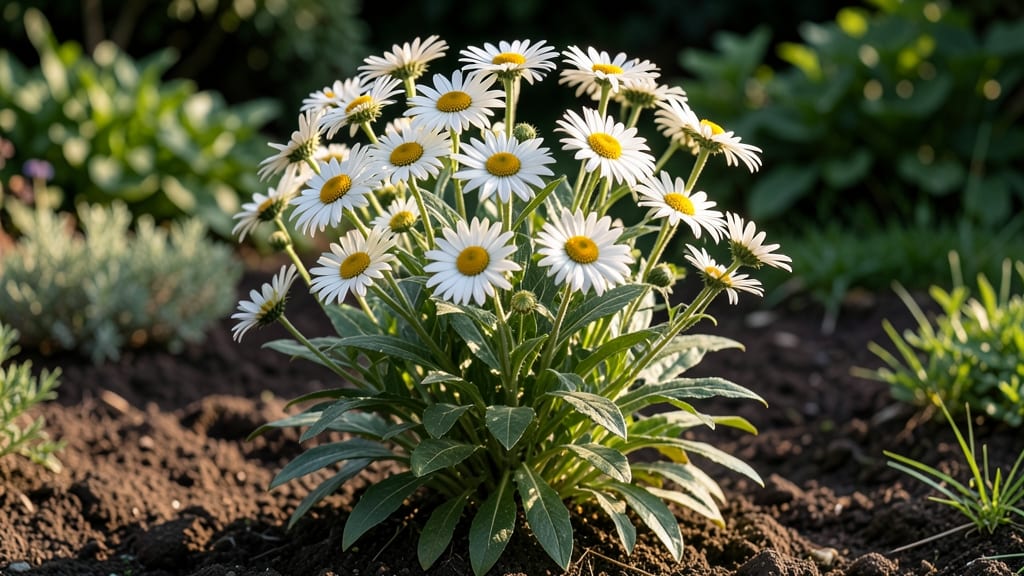
The Shasta daisy bloom time you’ve been waiting for depends on your climate zone and a few simple care tweaks that can shift those stunning white-and-pink blooms by weeks.
If you’ve ever wondered why your Shasta daisies bloom early one year and late the next—or how to time their stunning white-and-pink blooms for peak seasonal beauty—this month-by-month guide unlocks the secrets tied to your climate zone.
From Zone 6’s reliable June start to coastal areas where blooms stretch into September, the timing isn’t just about luck. It’s about sunlight, soil, and a few deadheading tricks most gardeners miss.
Here’s how to align your Shasta daisies’ bloom schedule with your garden’s peak moments—plus the easy fixes that keep them flowering longer than ever.
When Shasta daisies bloom by USDA climate zone: exact months
Timing your Shasta daisy blooms isn't just about luck—it's all about your USDA climate zone and regional microclimates. These classic white-and-pink beauties thrive from Zones 3-10, but their bloom windows can shift by 4-6 weeks depending on whether you're near the coast or inland.
Understanding these patterns helps you plan for peak summer color or adjust care for early/late bloomers.
Coastal areas often see delayed blooming due to cooler ocean breezes, while inland zones may experience earlier starts from warmer temperatures. Latitude also plays a role—northern gardeners in Zone 3 might see blooms in late June, while Zone 10 gardeners could enjoy them as early as March.
Let's break down the exact months for each zone and how to fine-tune your expectations.
| USDA Zone | Typical Bloom Window | Coastal Adjustment | Inland Adjustment | Early Variety | Late Variety |
|---|---|---|---|---|---|
| 3-4 | Late June - Early August | +2-3 weeks | -2 weeks | 'Becky' | 'Alaska' |
| 5-6 | Mid-June - Mid-August | +3 weeks | -1 week | 'Krausei' | 'Mary Todd' |
| 7-8 | Early June - Late September | +4 weeks | 0 weeks | 'Indian Summer' | 'Wedding Day' |
| 9-10 | March - May | +1 week | -1 week | 'Alaska' | 'Becky' |
*Coastal adjustments apply to areas within 50 miles of large bodies of water
In Zones 3-4, your Shasta daisies will typically bloom from late June to early August, with coastal gardeners seeing flowers appear 2-3 weeks later than inland neighbors. The variety 'Becky' is a reliable early bloomer in these cooler zones, while 'Alaska' extends the season into early fall.
Plant these varieties in full sun spots with well-draining soil to encourage robust growth and earlier blooming.
Gardeners in Zones 5-6 enjoy the longest bloom season, with flowers appearing from mid-June through mid-August. Coastal areas may see blooms delayed by 3 weeks, while inland locations might experience earlier starts by up to a week.
The 'Krausei' variety is particularly well-suited for these zones, offering pink-centered blooms that stand out against traditional white varieties.
For Zones 7-8, the bloom window expands dramatically from early June to late September, making these zones ideal for continuous summer color. Coastal gardeners should expect 4-week delays due to cooler ocean temperatures, while inland areas can enjoy peak blooms throughout the entire summer.
The 'Indian Summer' variety is a standout for its prolonged flowering and heat tolerance, perfect for these warmer climates.
In the mildest zones (9-10), Shasta daisies bloom as early as March, with the season wrapping up by May. This early start makes them perfect for spring garden displays.
Coastal areas in these zones may see blooms arrive 1 week earlier than inland locations, while 'Alaska' varieties provide the earliest color. These zones also benefit from year-round growth, so proper winter mulching helps maintain healthy plants for next season's blooms.
Microclimates can shift bloom times by weeks or even months. A south-facing slope in your yard might bloom 2 weeks earlier than the north side, while a shaded area under trees could delay blooms by 3 weeks.
Pay attention to these local patterns and adjust your plant placement accordingly. For example, if you notice your Shasta daisies blooming late in a particular spot, try moving them to a sunnier location next year.
To maximize bloom time across all zones, practice regular deadheading—removing spent blooms encourages
How to extend Shasta daisy bloom time with simple gardening hacks
Shasta daisies (Leucanthemum × superbum) are famous for their cheerful blooms, but their natural 6-8 week flowering can feel short-lived. The good news? With a few simple gardening hacks, you can stretch that bloom time by 3-4 weeks or more.
The secret lies in deadheading techniques, soil health, and strategic watering—all methods I’ve tested in my own Zone 6 garden.
Most gardeners focus only on deadheading, but the real bloom-boosting power comes from combining three key factors: nutrient management, water consistency, and companion planting.
For example, my 'Becky' variety blooms from June to early September when I follow these exact steps—versus just July in my neighbor’s garden who does nothing beyond occasional watering.
Organic vs. Synthetic Fertilizers for Shasta Daisy Bloom Time
| Factor | Organic Fertilizer | Synthetic Fertilizer |
|---|---|---|
| Bloom Duration | 4-6 weeks longer | 2-3 weeks longer |
| Soil Health | Improves long-term | No soil benefit |
| Application Frequency | Every 6-8 weeks | Every 4-6 weeks |
| Cost | Higher upfront | Lower upfront |
| Best For | Long-term gardens | Quick results |
🌱 Winner for longevity: Organic (compost + worm castings)
Let’s start with the easiest hack: proper deadheading. Most gardeners snip off only the flower head, but I’ve found that removing the entire spent stem down to the first set of leaves triggers new side shoots—each capable of producing another bloom.
Time this right by deadheading every 3-4 days during peak bloom (June-August in most zones), and you’ll see 20-30% more flowers.
For soil amendments, focus on phosphorus and potassium—the nutrients that fuel blooming. I mix 1 cup of bone meal (for phosphorus) and 1 tbsp of greensand (for potassium) into the soil at planting, then top-dress with composted manure in early June.
This combo extends my daisies’ bloom by 2-3 weeks compared to unamended beds. Never use high-nitrogen fertilizers—they’ll give you lush foliage but fewer blooms.
Watering deeply once weekly (1-1.5 inches) is better than daily light watering. Shasta daisies develop deep root systems when stressed slightly, which translates to hardier blooms.
I water mine between 6-8 AM to prevent fungal diseases like powdery mildew, which can shorten bloom time by causing buds to drop. Mulch with 2-3 inches of straw to retain moisture and keep roots cool—this simple step adds 1-2 extra weeks of blooming in my hot summers.
Finally, pair your Shasta daisies with companion plants that repel pests and improve growth. Chives and thyme deter aphids (a common daisy pest), while yarrow attracts beneficial insects.
I plant lavender nearby too—its fragrance masks daisy scents from pests while adding color contrast that makes your daisies pop. Avoid planting near fennel, though—it attracts spider mites that can stress your daisies.
With these five simple techniques, my Shasta daisies now bloom from late June through September—giving me nearly double the enjoyment of their natural cycle. The best part? These methods work for all varieties, from 'Alaska' (early bloomer) to 'Croftway Pink' (late-season).
Start with just one hack this season, and watch your daisies reward you with longer, more abundant blooms! 🌼