
How To
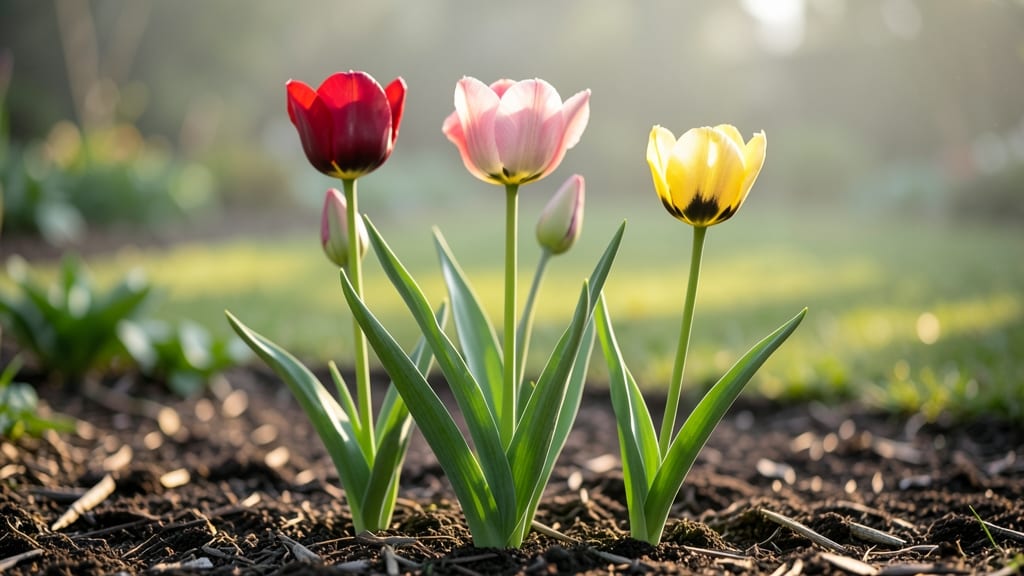
Tulips bloom for about 7 to 10 days in spring, a stunning but fleeting show that leaves many gardeners wondering how to make it last.
Picture this: your backyard bursts into color with 🌷 tulips, only to see them fade in less than a week. That’s the classic tulip cycle—but it doesn’t have to end so soon.
The key lies in understanding their natural rhythm and a few simple care tweaks that can stretch their beauty by weeks.
Most varieties follow that 7-10 day window, though some like Darwin Hybrids or Parrot tulips can linger closer to two weeks. Weather plays a role too—cooler springs slow the process, while heat can rush it.
The good news? With the right approach, you can coax more vibrant blooms and even prep your garden for next year’s display.
Here’s what you’ll discover: why tulips bloom so quickly, how to extend their time in the spotlight, and the one mistake that cuts their display short before it even begins.
Tulip bloom duration: the 7-10 day cycle explained
Tulips are famous for their vibrant spring display, but most varieties only bloom for 3-7 days—far shorter than many gardeners expect. This brief but stunning window happens because tulips are ephemeral perennials, designed to bloom quickly before their energy shifts to leaf production.
Understanding the 7-10 day bloom cycle helps you appreciate their fleeting beauty and plan for longer displays.
The tulip bloom cycle starts in late winter or early spring, when bulbs push through the soil. From bud formation to petal drop, the process unfolds in distinct stages.
Each phase depends on temperature cues, soil conditions, and the tulip variety you’re growing. For example, Darwin Hybrid tulips often bloom 5-7 days longer than classic Parrot tulips.
🌷 Did You Know? Tulips evolved in Central Asia’s harsh climates, where rapid blooming ensures pollination before summer droughts arrive. This explains why their spring display is so intense but short-lived.
| Stage | Duration | Key Features | Climate Impact |
|---|---|---|---|
| Bud Formation | 7-14 days | Bud swells, petals tight | Cooler temps delay; warm soil speeds it up |
| Peak Bloom | 3-7 days | Full petal spread, vibrant colors | Heat waves shorten bloom; rain extends it |
| Petal Drop | 2-5 days | Petals wilt, stem weakens | Wind accelerates drop; humidity slows it |
| Leaf Maturation | 6-8 weeks | Leaves turn yellow, store energy | Drought stress shortens leaf life |
Most tulip varieties follow this 7-10 day bloom cycle, but timing varies by type. Early bloomers, like Greigii tulips, often open in late March or April and last 3-5 days. Late bloomers, such as Fosteriana tulips, may bloom in May and June for 5-7 days. Darwin Hybrid tulips are exceptions, sometimes lasting up to 10 days due to their larger, hardier bulbs.
Climate plays a huge role in bloom duration. In cooler regions (USDA Zones 3-5), tulips often bloom longer because gradual temperature changes slow metabolism. Meanwhile, in warmer zones (Zones 6-8), tulips may bloom faster but weaker due to heat stress.
For example, a 90°F day can cut bloom time by 2-3 days by accelerating petal wilting.
If you’ve noticed your tulips blooming for just 2-3 days, check these common culprits: overcrowded bulbs, poor soil drainage, or nutrient deficiencies. Tulips need well-draining soil and balanced fertilizer (like 5-10-10) to support their short but intense bloom phase.
Without these, they’ll focus energy on survival rather than flowers.
Pro tip: Plant tulips in full sun (6+ hours daily) to maximize bloom duration. Shady spots can stretch the bud formation stage but shorten actual blooming time by up to 40%.
Pair tulips with late-blooming perennials, like alliums or peonies, to create a sequential spring display that keeps your garden vibrant longer.
After petals drop, resist the urge to cut back leaves—even if they look unsightly. Tulip leaves photosynthesize for 6-8 weeks after blooming, storing energy for next year’s flowers.
Removing them too soon weakens the bulb and shortens future blooms. This is why many gardeners see fewer tulips the next spring after aggressive post-bloom pruning.
For a deeper dive, track your tulips’ bloom stages this spring. Note the exact dates of bud formation, peak bloom, and petal drop. Over time, you’ll spot patterns in how your local climate affects duration—and adjust your planting strategies accordingly.
With the right care, you can turn those 3-7 days of color into a 3-week garden spectacle!
5 Proven ways to extend tulip blooms by 2-3 weeks
If you’ve ever watched your tulip blooms fade in just a week, you’re not alone. Most varieties naturally follow a 7-10 day bloom cycle, but with the right techniques, you can stretch that to 2-3 weeks—or even longer!
The secret lies in a mix of proper care, strategic planting, and choosing the right tulip varieties. Let’s dive into the methods that work.
First, watering habits make a surprising difference. Tulips need consistent moisture during their bloom phase, but overwatering can shorten their lifespan. Aim for deep watering 2-3 times per week—especially in dry spells—while ensuring the soil drains well to prevent root rot.
This balance keeps your tulips hydrated without stressing their systems.
Another game-changer is deadheading spent blooms. Simply snip off faded flowers just above the foliar leaves (never the green leaves!).
This redirects the plant’s energy from seed production back into root and bulb development, often resulting in stronger blooms next year and even a second flush of flowers in some varieties.
Don’t overlook the power of soil nutrition. Before planting, amend your soil with compost or aged manure to ensure your tulips have the nutrients they need.
In early spring, apply a low-nitrogen fertilizer (like 5-10-10) to encourage strong, long-lasting blooms. Avoid high-nitrogen fertilizers, which promote leafy growth at the expense of flowers.
For an extra boost, consider strategic planting. If you live in a warmer climate, plant tulip bulbs in fall and again in winter to stagger blooming times. This creates a continuous display from early spring through late spring.
Pairing early-blooming varieties (like Greigii tulips) with late-blooming types (like Fosteriana tulips) can extend your tulip season by 3-4 weeks.
Finally, protect your tulips from pests and diseases. Slugs and aphids can weaken plants, shortening bloom time. Use organic slug bait or neem oil to keep pests at bay.
If you notice yellowing leaves or mushy stems, act quickly to address fungal issues with a copper fungicide. Healthy plants bloom longer and more vibrantly.