
Blooming
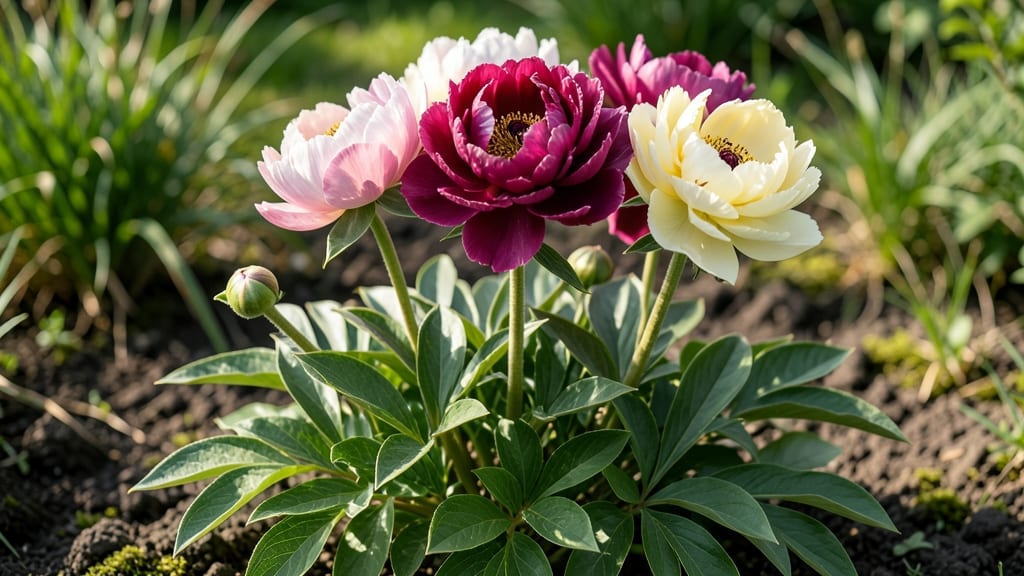
The moment a peony bud swells to the size of a golf ball, you know spring has truly arrived. 🌸 Understanding these four bloom stages transforms how you care for your plants—because what you do in each phase directly impacts whether those velvety blooms open at all.
I’ve watched my peonies go from tight buds to lush blossoms for years, and the difference between thriving plants and struggling ones often comes down to timing and attention during these transitions.
First comes the bud formation stage, when those fuzzy green spheres push through the soil, signaling new growth. This is when proper watering—1-2 inches per week—and avoiding heavy mulch prevents rot.
Then come the pre-bloom days, when buds swell but stay closed; here’s where you’ll spot early signs of stress like brown edges or slow swelling.
The real magic happens in full bloom, when petals unfurl over 7-10 days, and finally, senescence, when blooms fade—this is when you’ll harvest seeds or deadhead for next year’s flowers.
By recognizing each stage, you’ll know exactly when to fertilize (lightly, after blooming), when to watch for pests (aphids love tender buds), and how to extend the show.
My peonies now bloom for 2-3 weeks straight, thanks to this stage-by-stage approach. The key is patience—rushing care at the wrong time can shorten the entire spectacle.
Whether you’re a first-time peony grower or a veteran looking to troubleshoot floppy blooms, these stages are your roadmap. Next, we’ll dive into how to encourage each phase—like the secret trick for thicker stems that never flop. Ready to make your peonies the star of the garden?
📚 In This Guide
- What you need
- Instructions
- Tips and common mistakes
- Wrapping up and next steps
What you need
- ● Peony plants: Healthy, established peonies (herbaceous or tree types) in full sun (6+ hours/day). Pro tip: 💡 Choose varieties with distinct bloom colors for easier stage observation!
- ● Notebook or digital app: For recording bloom stages (e.g., Gardenate or a simple journal).
- ● Camera or smartphone: With a macro lens or zoom for close-up shots of buds.
- ● Garden gloves: Lightweight, breathable pair to protect hands while handling plants.
- ● Pruning shears: Small, sharp pair (e.g., Felco F-2) for trimming spent blooms or leaves.
- ● Plant labels: Waterproof tags to mark peony varieties and bloom dates.
- ● Garden twine or stakes: To support heavy blooms (especially for tree peonies).
- ● Potting soil (if growing in containers): Well-draining mix (e.g., Miracle-Gro Potting Mix with perlite).
- ● Fertilizer: Balanced, low-nitrogen option (e.g., 10-10-10) applied in early spring.
- ● Patience: Peonies bloom late spring to early summer (varies by climate zone).
- ● Sunlight access: Confirm your garden spot gets full sun (peonies thrive in it!).
- ● Watering routine: 1–1.5 inches of water weekly (deep soak, not frequent light watering).
How to identify and care for peonies through their bloom cycle
Peonies reveal their beauty in stages—each phase deserves attention to extend their showy season.
🌱 Step 1: Recognize the Swollen Bud Stage
The first phase begins when buds are still tightly closed but visibly swollen, usually in late April to early May depending on your climate zone. These buds should be firm to the touch—if they feel soft or mushy, they may have rot or frost damage. I always check for green tips emerging from the center, signaling imminent opening.
This is the time to remove any brown, dried buds from last season that might harbor disease. Use clean pruners to snip them at the base, leaving the healthy new growth untouched. Avoid pruning healthy buds—peony buds won’t reopen once cut.
☀️ Step 2: Watch for Bud Cracking and Early Petal Separation
Bud cracking occurs when the outer layers begin to split, revealing pale pink, white, or yellow centers—this happens about 5-7 days before full bloom. You’ll notice the buds feel slightly softer at the top while remaining firm at the base. Here’s where I get excited: this is when peonies need bright, indirect light to prevent petals from burning.
If your peonies are in full sun, provide light morning shade during this vulnerable stage. Mulch around the base with 2-3 inches of organic mulch (like the shredded bark you have) to retain moisture and protect roots from temperature fluctuations.
🌿 Step 3: Support the Full Bloom Phase
Full bloom arrives when petals are fully unfurled but still tightly packed, typically lasting 7-10 days. This is when peonies need consistent moisture—water deeply once a week if rainfall is light, ensuring the soil stays 2-3 inches damp below the surface. Overwatering now causes buds to split prematurely, so let the top inch dry between waterings.
Here’s the thing—never cut peonies at full bloom. The weight of heavy blossoms can damage stems. Instead, wait until half the petals have fallen before harvesting for arrangements. This ensures next year’s buds will form properly.
⏰ Step 4: Manage Post-Bloom Care for Next Season
After petals drop, leave the seed pods (if any) for 4-6 weeks—they’ll dry and release seeds naturally. Cut back dead foliage in late fall (after the first frost) to 2-3 inches above ground level. This prevents disease while allowing energy to store in the roots for next spring’s buds.
Apply a balanced fertilizer (like 10-10-10) in early spring as new shoots emerge. Peonies are slow to wake up—don’t rush them. By mid-May, you’ll see those familiar swollen buds signaling another cycle.
Tips & tricks for perfect peony bloom care
These simple insights help you extend your peonies' stunning season from bud to full bloom.
The Swollen Bud Test: In Step 1, when checking for firmness, gently press the bud—it should spring back immediately. If it leaves a dent, the bud may be overripe or damaged. I've learned that buds with a slight green tip at the center are always the most reliable indicators of healthy growth. This is also when you should inspect for any signs of frost damage, especially if your last spring frost came late.
Light Protection During Bud Cracking: During Step 2, when those pale centers emerge, peonies become sensitive to direct sunlight. If you notice petals starting to look bleached or crispy, they've been exposed too long. I always position a sheer curtain or shade cloth on the east side of the plant in the morning—this blocks the harshest rays while still allowing light to penetrate. Think of it as giving your peonies a gentle sunblock.
Moisture Balance in Full Bloom: In Step 3, the 7-10 day bloom period requires careful watering. I've found that watering in the morning between 6-8 AM gives the soil time to absorb moisture before the heat of the day. The top inch drying between waterings is crucial—this prevents the stems from becoming too soft and prone to breaking under the weight of heavy blossoms.
Fertilizer Timing: For Step 4, that early spring application of 10-10-10 fertilizer is non-negotiable, but here's what nobody tells you: split that application into two doses. Give half when you first see those green shoots emerging, then apply the second half when the buds are still swollen but haven't yet started cracking. This two-step approach prevents fertilizer burn while still giving your peonies the nutrients they need for robust growth.
Pro Tips for Peony Bloom Stages
- These simple insights help you extend your peonies' stunning season from bud to full bloom.
- The Swollen Bud Test: In Step 1, when checking for firmness, gently press the bud—it should spring back immediately.
- Light Protection During Bud Cracking: During Step 2, when those pale centers emerge, peonies become sensitive to direct sunlight.
Frequently asked questions
Got questions about peony bloom stages?
You’re not alone! Here are answers to the most common queries—from timing to troubleshooting—so you can enjoy every phase of these stunning flowers.
How long does it take for peonies to go from bud to full bloom?
Peonies typically take 7–10 days to transition from tight buds to full bloom, depending on weather and variety. Herbaceous peonies bloom faster (5–7 days), while tree peonies may take 10–14 days. Cooler temperatures can slow the process, while warm, sunny days speed it up.
What’s the best time of day to photograph peony blooms?
Early morning (just after dew dries) or late afternoon (when light is soft) offers the best colors and shadows. Avoid midday sun, which can wash out vibrant hues like deep pinks and crimsons. Overcast days also work well for moody, diffused shots. Pro tip: Golden hour (1–2 hours before sunset) adds a magical glow!
Why are my peony buds opening unevenly or not blooming at all?
Uneven blooms often stem from inconsistent sunlight, overcrowded roots, or improper pruning. If buds refuse to open, check for:
- Cold damage (late frosts can stunt buds).
- Drought stress (keep soil moist but not soggy).
- Pests (aphids or spider mites can weaken plants).
Can I extend peony bloom time, or is it predetermined?
While genetics set the core bloom duration (5–7 days for most varieties), you can maximize enjoyment by:
- Planting in full sun (6+ hours/day) for vibrant, long-lasting blooms.
- Avoiding overwatering (root rot shortens bloom time).
- Deadheading spent blooms to encourage a second flush (common in herbaceous peonies).
Are there peony alternatives with similar bloom stages?
If peonies seem high-maintenance, try these low-fuss perennials with comparable drama:
- Daylilies (Hemerocallis): Bloom in stages, drought-tolerant, and rebloom prolifically.
- Roses (especially ‘Knock Out’ varieties): Long bloom cycles (weeks!) with fewer pests.
- Lavender: Fragrant, drought-resistant, and blooms in soft waves.
- Shasta Daisies: Classic, cheerful blooms that open gradually.
Wrapping up and next steps
Watching peonies transform through their four bloom stages—from tight buds to lush, fragrant blooms—is like witnessing nature’s own masterpiece unfold. 🌸 Whether you’re a gardener eager to time your pruning or simply admiring their beauty, understanding these phases helps you appreciate the patience and care behind each petal.
Now that you’re armed with knowledge, why not plant a peony of your own or share these insights with fellow plant lovers? The next step? Grab your gloves and get ready to nurture the next generation of blooms!