
Blooming
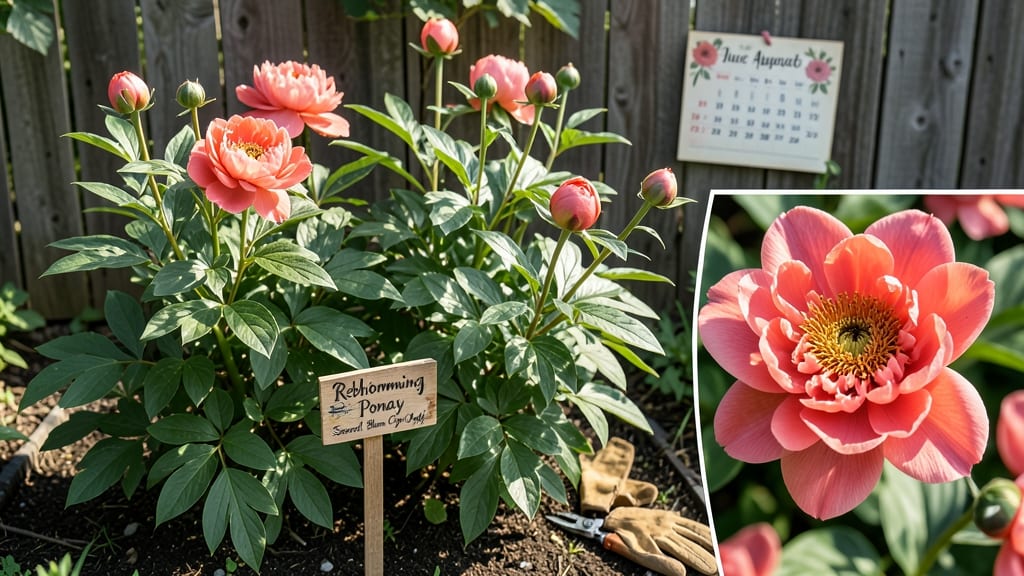
Peonies bloom more than once only if they're reblooming varieties, which produce a second flush of flowers in late summer after a mid-season trim. Single-blooming types flower just once per year in spring, while rebloomers need proper care and pruning to encourage that extra display.
Not all peony varieties follow the same blooming schedule—it depends entirely on whether you've planted reblooming types like 'Bowl of Beauty' or 'Coral Charm'.
These special cultivars can reward you with two flowerings per season, but they require precise timing and care. 🌸 The first flush appears in late spring, and if you deadhead promptly and provide consistent moisture, you'll often see a second round in early fall.
Single-bloomers, however, will only give you that one spectacular spring show unless you're willing to risk over-pruning, which can harm the plant.
What sets rebloomers apart isn't just their ability to flower twice, but their growing requirements. They demand full sun exposure (at least six hours daily) and well-drained soil rich in organic matter.
The key to that second bloom lies in your mid-summer maintenance: cutting back spent stems to just above a healthy leaf node, never to the ground, and avoiding heavy fertilization after early summer. This balance between pruning and nutrition is what triggers those late-season buds.
💡 In This Article
- Single-Bloom vs Reblooming Peony Types: Key Differences
- How to Encourage Reblooming in Peonies: Pruning and Care Tips
Single-bloom vs reblooming peony types: key differences
Peonies fall into two distinct blooming categories: single-bloomers and rebloomers. Single-blooming varieties like 'Sarah Bernhardt' produce one spectacular display in late spring, typically between May and June, then focus their energy on developing robust foliage and roots for next year.
These types are often herbaceous peonies, meaning their stems die back to the ground each winter. Their blooming cycle is triggered by winter chilling requirements—typically 600-1,000 hours below 45°F—which reset their growth pattern annually.
Reblooming varieties, such as 'Bowl of Beauty' or 'Coral Charm', are the exceptions that deliver two flowerings per season. The first flush appears in late spring, just like single-bloomers, but if properly cared for, they'll produce a second round of blooms in late summer or early fall.
The key difference lies in their growth habit: rebloomers store energy differently, allowing them to produce flowers from both new and old growth. These varieties are often tree peonies (with woody stems) or specially bred herbaceous types that have been selected for their ability to rebloom.
What makes rebloomers possible is their photosynthetic efficiency. While single-bloomers allocate most summer energy to root and foliage growth, rebloomers maintain a balance, keeping some energy reserves for late-season flowering. This requires full sun exposure (6+ hours daily) and well-drained soil with a pH between 6.5 and 7.5.
The right conditions allow rebloomers to produce 10-15% more flowers per season compared to single-bloomers, though each bloom may be slightly smaller.
Here's where things get interesting: reblooming varieties often have lighter-colored petals (pinks, whites, and soft yellows) compared to the bold reds and deep pinks of single-bloomers. This isn't coincidence—their genetic makeup prioritizes prolific blooming over intense pigmentation.
For example, 'Krinkled White' produces delicate white flowers in both spring and fall, while 'Duchesse de Nemours' (a single-bloomer) showcases dramatic magenta blooms just once annually.
The trade-off for reblooming is slightly reduced flower size—typically 3-5 inches in diameter for second blooms compared to 5-8 inches for spring flowers. However, the volume more than makes up for it.
Consider this: a well-cared-for rebloomer might produce 50-70 blooms over two seasons, while a single-bloomer gives you just 10-20 flowers in spring. The choice comes down to whether you prefer one grand show or continuous enjoyment.
One critical factor often overlooked is the age of the plant. Rebloomers typically need 3-5 years to establish strong root systems before they'll reliably produce second blooms. Young plants (under 3 years) should be treated as single-bloomers to avoid stressing their developing roots.
This is why many gardeners plant rebloomers specifically for their long-term value—they become more valuable with each passing season.