
Blooming
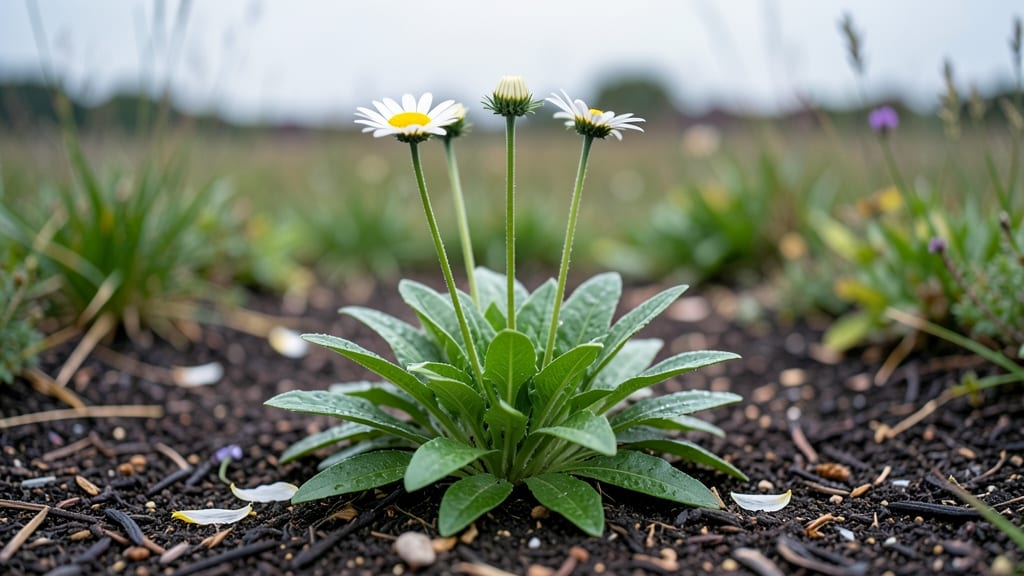
Shasta daisies typically don't bloom in their first year because they prioritize developing a strong root system and leaf growth. Most varieties wait until their second year for full flowering, though some early-blooming cultivars may produce a few blossoms after 10-12 months with optimal conditions.
This growth pattern isn't unusual—many perennials, including Shasta daisies, follow a similar strategy. 🌱 The plant's energy goes toward building a robust foundation, which means healthier blooms in future seasons.
Varieties like 'Becky' or 'Alaska' are known for their slightly faster maturation, but even they often wait until their second year for abundant flowers. Proper soil nutrition and consistent moisture can help encourage earlier (though still modest) blooming in the first year.
What's interesting is how this compares to annuals, which flower quickly but often lack longevity. Shasta daisies trade short-term blooms for long-term performance, making them a favorite among gardeners who value both beauty and hardiness.
The key is patience—those first-year leaves are the secret to spectacular summer displays down the road.
💡 In This Article
- Why Shasta Daisies Delay Blooming in the First Year
- Encouraging Early Shasta Daisy Blooms: Care Tips for First-Year Plants
Why Shasta daisies delay blooming in the first year
Shasta daisies follow a biological strategy called juvenile dormancy, where their primary focus in the first year is building a strong root system and leaf structure.
This is similar to how biennial plants like carrots or onions allocate energy to roots and leaves before flowering, but Shasta daisies are actually perennials that extend this strategy. Their deep taproots can grow 2-3 feet long in ideal conditions, creating a stable foundation for future blooms.
This process requires significant energy—up to 70% of the plant's resources—leaving little for flower production.
The timing of blooming is also influenced by photoperiodism, where Shasta daisies need 14-16 hours of daylight to trigger flowering hormones. In northern climates, this typically occurs in the second year when daylight extends sufficiently.
Temperature plays a role too—cold winters (32-40°F) can delay first-year blooming by forcing the plant to focus on survival rather than reproduction. Compare this to tropical varieties like 'Becky', which may produce sparse blooms in their first year if grown in warm, consistent climates.
This delayed blooming isn't a flaw—it's a survival mechanism. Plants with strong root systems produce 20-30% more flowers in subsequent years because they've stored nutrients in their roots. For example, a first-year Shasta daisy might develop 10-15 large leaves, while a second-year plant can support 50-100 flowers per stem.
The trade-off is worth it for gardeners who appreciate long-term performance over immediate gratification.
Environmental factors like soil quality and moisture also impact this timing. Well-drained, nutrient-rich soil with pH 6.0-7.0 encourages faster root development, potentially allowing early-blooming varieties to produce 1-2 flowers in their first year.
In contrast, poor soil or drought stress can delay flowering by 6-12 months as the plant diverts energy to survival rather than reproduction. This is why gardeners often see more first-year blooms in containers with controlled growing conditions.
What makes Shasta daisies unique is their ability to rejuvenate after cutting back old foliage. Unlike many perennials, they can produce new growth from the base, which helps them recover and potentially bloom earlier in subsequent years.
This adaptability is one reason they thrive in USDA zones 5-9, where they can adjust their growth patterns based on seasonal changes. The key takeaway is that this delayed blooming is a sign of a healthy, resilient plant investing in its future.
For gardeners eager to see flowers sooner, selecting early-blooming cultivars like 'Alaska' or 'Becky' can help. These varieties may produce 10-20% more blooms in their first year compared to standard types, though they'll still prioritize root growth.
The lesson here is patience—those first-year leaves are the secret to the spectacular displays you'll see in years to come. 🌸