
Blooming
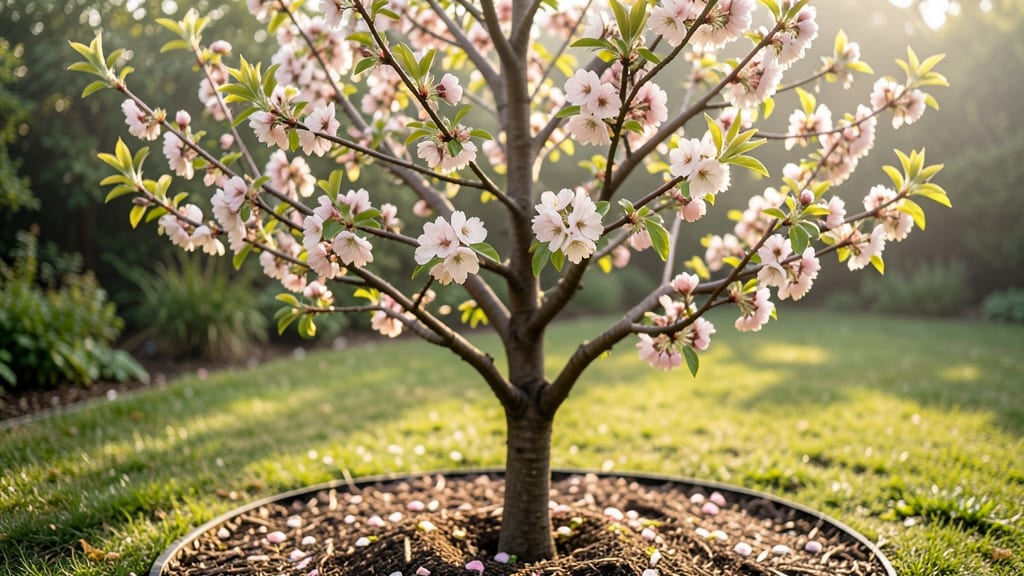
A peach bloom border transforms your garden into a fragrant, sunlit sanctuary that steals the show from spring through fall. 🌸 This isn't just about color—it's about layering textures, heights, and seasonal interest so your border feels alive year-round, from early blooms to winter structure.
Start with peach-colored perennials like Shasta daisies, coneflowers, or black-eyed Susans as your foundation—they provide bold color and long bloom times. Add shrubs like abelia or spirea for structure, and tuck in fragrant climbers like clematis or roses for that intoxicating summer scent.
By autumn, your border will still shine with ornamental grasses, seed heads, and deepening foliage colors. The key is mixing evergreens like boxwood or hemlock for winter interest, ensuring your border remains a focal point even when flowers fade.
This design works for any yard size, from a narrow foundation planting to a wide garden edge. The result? A low-maintenance, high-impact border that turns heads and fills your garden with peachy charm.
📚 In This Guide
- What you need
- Instructions
- Tips and common mistakes
- Wrapping up and next steps
What you need
- ● Peach Tree (Prunus persica) – 1 mature tree (10-15 years old) or 3-5 young grafted trees (for a lush border). Choose early-blooming varieties like Elberta or Redhaven for vibrant spring color.
- ● Companion Perennials (for year-round interest): 10-15 Hellebores (Helleborus spp.) – for winter blooms and shade tolerance.
- ● 10-12 Daffodils (Narcissus spp.) – for early spring color and pest resistance.
- ● 8-10 Salvias (Salvia nemorosa or officinalis) – for summer blooms and pollinator appeal.
- ● 6-8 Ornamental Grasses (e.g., Miscanthus or Pennisetum) – for texture and movement.
- ● Mulch – 2-3 bags of wood chips or straw (to retain moisture and suppress weeds).
- ● Compost – 1-2 cubic yards (for enriching soil before planting).
- ● Slow-Release Fertilizer – 10 lbs of 10-10-10 or 5-10-10 (to support peach tree health).
- ● Garden Tools: Shovel or spade
- ● Garden trowel
- ● Pruning shears (for shaping and maintenance)
- ● Wheelbarrow (for transporting soil and mulch)
- ● Measuring Tape – to mark out your border (aim for 6-8 feet wide for a lush, layered look).
- ● String & Stakes – for outlining the border design.
- ● Gloves & Knee Pads – for comfort during planting.
- ● Drip Irrigation System – to keep plants hydrated with minimal effort.
- ● Edging Tools – for clean, defined borders (e.g., flexible metal edging).
- ● Fragrant Climbing Roses – 2-3 bushes (e.g., David Austin varieties) to intertwine with peach branches for extra scent.
- ● Birdhouses or Bat Boxes – to attract pollinators and deter pests naturally.
How to design a fragrant peach bloom border for season-long beauty
This isn't just another seasonal border—it's a layered, fragrant masterpiece that delivers color from spring through fall.
🌱 Step 1: Plan Your Layered Plant Structure
Start by sketching a 4-foot-wide border (the ideal width for easy maintenance). Divide it into three distinct layers: back (tallest), middle, and front (shortest). I recommend a 6-foot length for visibility, but adjust based on your space. The back layer should feature peach-blooming shrubs like peach tree varieties (Prunus persica) or ornamental cherries (Prunus serrulata), which provide the signature blooms and structure.
For the middle layer, choose fragrant perennials like mock orange (Philadelphus) or deutzia—both offer delicate peach-toned flowers and long bloom times. These will fill gaps between the shrubs and add vertical interest. In the front, use low-growing ground covers such as creeping thyme or dwarf lavender to soften edges and provide year-round texture. Space shrubs 6-8 feet apart and perennials 2-3 feet apart for balanced growth.
☀️ Step 2: Prepare the Soil for Optimal Drainage and Nutrition
Peach-blooming plants thrive in well-draining, slightly acidic soil (pH 6.0-6.5). Before planting, amend your border area with 3 inches of compost and 1 inch of perlite to improve aeration. Work the amendments into the top 12 inches of soil—this ensures roots have access to nutrients without compacting. If your soil is heavy clay, mix in 2 inches of coarse sand to prevent waterlogging, which can rot roots and reduce bloom production.
Test your soil’s moisture retention by digging a 6-inch hole and filling it with water. If it drains within 30 minutes, your soil is ready. If not, add another 1-2 inches of perlite or sand. Mulch the entire border with 2-3 inches of wood chips after planting to retain moisture and suppress weeds. Avoid fresh mulch, which can rob nitrogen from the soil.
🌿 Step 3: Plant Shrubs and Perennials for Maximum Impact
Begin by planting your back-row shrubs first. Dig holes twice as wide as the root ball but no deeper—this encourages roots to spread horizontally rather than settling too low. Place each shrub so the top of the root ball sits level with the surrounding soil (never buried deeper). Backfill with native soil mixed with 1 part compost, then water deeply to settle the roots. Stake only if your shrubs are tall or top-heavy—most peach-blooming varieties don’t need support.
Next, add the middle-layer perennials. Space them 18-24 inches apart to allow airflow and prevent disease. Press the soil gently around each plant to eliminate air pockets, then water lightly to help roots make contact with the soil. For the front layer, plant ground covers in a staggered pattern to create a natural, textured edge. Water the entire border once daily for the first week to reduce transplant shock, then taper to every other day once new growth appears.
✂️ Step 4: Prune and Maintain for Continuous Blooms
Prune shrubs immediately after flowering to encourage next year’s blooms. Remove dead or crossing branches first, then cut back any leggy growth by one-third to promote bushier habits. For perennials, deadhead spent blooms weekly to redirect energy into new flowers. I also trim back creeping thyme or lavender in early spring to maintain their compact shape—this prevents them from spreading into the middle layer.
Fertilize lightly in early spring with a balanced 10-10-10 formula, but avoid high-nitrogen feeds after mid-summer. These can stimulate leafy growth at the expense of flowers. Instead, switch to a low-nitrogen, high-phosphorus fertilizer (like 5-10-10) in late summer to support root development and next year’s blooms. Water deeply once weekly during dry spells, focusing on the root zones rather than overhead spraying.
🌸 Step 5: Layer Fragrance and Texture for Year-Round Appeal
To extend the border’s charm beyond summer, incorporate winter-interest plants like dwarf conifers (Juniperus) or ornamental grasses (Carex) in the front layer. Their silver-blue foliage contrasts beautifully with the peach tones of dormant shrubs. In spring, bulbs like daffodils or grape hyacinths will pop through the mulch, adding early color. Group 3-5 bulbs per plant for a natural, clustered look—this mimics how they’d grow in meadows.
Finally, add scented annuals like sweet alyssum or jasmine in summer to amplify the fragrance. Plant these in small clusters around the base of shrubs where you’ll brush past them while walking. The combination of peach blossoms, mock orange, and thyme creates a intoxicating, long-lasting perfume that lingers in the evening air. Rotate annuals yearly to prevent disease buildup in the soil.
Tips & tricks for perfect peach bloom borders
Creating a fragrant, long-lasting peach bloom border takes thoughtful planning—here’s how to elevate your design from good to stunning.
Layering Like a Pro: When sketching your border in Step 1, use a 4-foot width and 6-foot length as your baseline, but don’t be afraid to adjust based on your space. I’ve found that adding a smaller shrub variety like ornamental cherry in the back layer creates more visual interest than a single type of peach-blooming shrub. This subtle variation prevents the border from looking too uniform while maintaining that signature peach-toned color palette.
Soil Science Matters: In Step 2, testing your soil’s drainage with the 6-inch hole method is crucial, but here’s the trick: if your soil drains too quickly (under 15 minutes), add 1 inch of organic matter like peat moss to help retain moisture. The goal is 30-minute drainage—this ensures roots get enough hydration without sitting in water. I’ve seen borders fail when gardeners skip this step, leading to stunted growth and fewer blooms.
Planting Precision: For Step 3, when planting your back-row shrubs, dig holes twice as wide but only as deep as the root ball—this encourages outward root growth. A common mistake is burying the root ball too deep, which can suffocate plants. I always use a level to ensure the top of the root ball sits flush with the surrounding soil. For perennials, spacing them 18-24 inches apart is key to preventing overcrowding, which can lead to fungal diseases.
Fragrance Amplification: In Step 5, the secret to maximizing fragrance is placement. Plant scented annuals like sweet alyssum in small clusters around the base of shrubs where you’ll walk by them. This creates a "fragrance pathway" that releases the most aroma when you brush past. I also recommend adding 1-2 dwarf conifers in the front layer—their evergreen foliage provides winter interest while contrasting beautifully with the peach tones of dormant shrubs.
Pro Tips for Peach Bloom Border
- Creating a fragrant, long-lasting peach bloom border takes thoughtful planning—here’s how to elevate your design from good to stunning.
- Layering Like a Pro: When sketching your border in Step 1, use a 4-foot width and 6-foot length as your baseline, but don’t be afraid to adjust based on your space.
- The goal is 30-minute drainage—this ensures roots get enough hydration without sitting in water.
Frequently asked questions
When is the best time to plant a peach bloom border?
The ideal time to plant is early spring (after the last frost) or early fall (6-8 weeks before your first frost). This gives roots time to establish before extreme temperatures. For container plantings, you can plant year-round in mild climates, but spring or fall still offers the best success rate.
Which plants work best alongside peach blossoms in a border?
Pair peach blossoms with complementary textures and colors like:
- Low-growing perennials: Lavender, catmint, or creeping thyme for fragrance and drought tolerance.
- Seasonal bloomers: Tulips (spring), roses (summer), or chrysanthemums (fall) for continuous color.
- Foliage contrast: Hostas or heucheras for lush greenery that frames the peach blooms beautifully.
How long does it take for a peach bloom border to mature and look full?
Peach trees take 2-3 years to reach full bloom, but you’ll see partial blooms in the first year if planted in spring. For a quick-impact border, layer in fast-growing perennials or annuals (like marigolds) to fill gaps. Mulch heavily to encourage root growth and speed up the process!
What should I avoid when designing a peach bloom border?
Avoid these common mistakes:
- Poor drainage: Peach trees hate soggy roots. Plant on a slope or amend heavy soil with compost.
- Overpruning young trees: Wait until late winter to prune, and never remove more than 25% of branches at once.
- Ignoring pests: Watch for aphids or borers. Use neem oil or introduce ladybugs early to prevent infestations.
- Neglecting seasonal care: Mulch in winter and fertilize in early spring for consistent blooms.
Can I create a peach bloom border in containers or small spaces?
Use dwarf peach varieties (like ‘Bonanza’ or ‘Redhaven’) in large pots (15+ gallons) with well-draining soil. Pair with compact perennials like dwarf iris or alpine strawberries. Ensure containers get 6+ hours of sunlight and water deeply 2-3 times weekly. Just remember: container-grown trees may bloom slightly later than in-ground plantings.
Pro Tip:
For year-round interest, add ornamental grasses (like fountain grass) or evergreen shrubs (like boxwood) to the border. These provide structure when peach trees are dormant and contrast beautifully with spring blooms!
Wrapping up and next steps
A peach bloom border isn’t just a seasonal splash of color—it’s a fragrant, low-maintenance masterpiece that keeps your garden vibrant from spring to winter. By blending peach blossoms with evergreens, ornamental grasses, and seasonal perennials, you’ve created a border that’s as functional as it is beautiful.
Whether you’re a seasoned gardener or just starting, this design proves that stunning results are within reach!
Ready to bring your vision to life? Start small—pick one section of your garden to transform, or sketch a layout before digging in. And don’t forget to share your progress—tag us @YourGardenJournal for inspiration and tips! 🌸✨