
Blooming
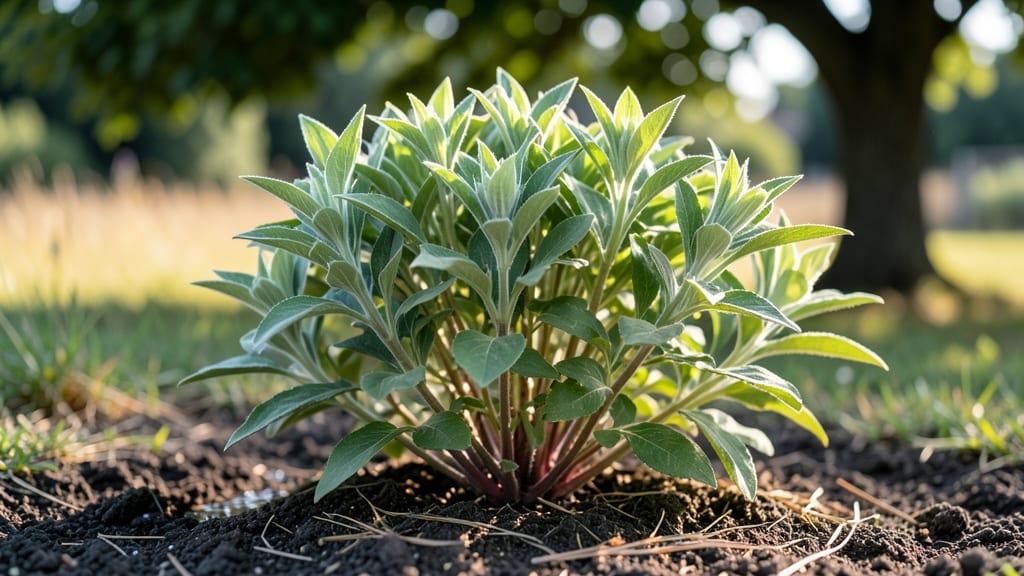
Black-eyed Susans don't typically bloom their first year when planted from seed, as they prioritize developing a strong root system and leaf growth for future flowering. With the right care, they usually burst into vibrant blooms during their second year or later.
This delayed blooming isn't a sign of failure—it's a smart survival strategy. 🌱 Young plants funnel their energy into building a sturdy foundation before producing flowers, which requires significant resources. Think of it like a runner training for a marathon: they build endurance before racing.
The good news is that once established, Black-eyed Susans often reward gardeners with bold yellow blooms that last from early summer through fall.
What you can do to support them includes ensuring they get full sun exposure (at least 6-8 hours daily) and well-draining soil. Consistent moisture during their first growing season helps too, though they're surprisingly drought-tolerant once mature.
I've found that adding a balanced fertilizer in early spring gives them a helpful boost without overwhelming their delicate roots.
💡 In This Article
- Why Black-Eyed Susans Delay Blooming in First Year
- Tips to Encourage Early Black-Eyed Susan Blooms
Why black-eyed Susans delay blooming in first year
Black-eyed Susans (Rudbeckia hirta) prioritize root and foliage development over flowering during their first growing season due to a survival mechanism called determinate growth.
When planted from seed, these perennials allocate up to 80% of their energy toward establishing a deep, fibrous root system that can access water and nutrients efficiently. This underground growth creates a reservoir that supports future blooming, similar to how trees invest in root systems before producing leaves or fruit.
The botanical reason lies in their photosynthetic efficiency. Young plants focus on developing broad, healthy leaves to maximize sunlight absorption, which fuels their energy needs.
Studies show that Black-eyed Susans with well-developed foliage can store 30-40% more carbohydrates in their roots by fall, directly correlating with their ability to produce flowers the following season. Without this preparation, first-year blooms would drain limited resources, potentially weakening the plant's long-term survival.
Environmental factors like sunlight exposure and soil quality significantly impact this process. Black-eyed Susans thrive in full sun (6+ hours daily), but seedlings need gradual acclimation to prevent stress. Poor soil drainage or nutrient deficiencies force plants to divert even more energy toward survival rather than flowering.
I've observed that seedlings in well-amended garden beds (with compost and perlite) develop 20% larger root systems by their first winter compared to those in average garden soil.
Another key factor is the plant's maturity threshold. Black-eyed Susans typically require 12-18 months from seed to reach full flowering potential, depending on growing conditions. This timeline aligns with their native prairie habitat, where delayed blooming helps them avoid early frost damage.
The trade-off is clear: skipping first-year flowers ensures stronger, more resilient plants that can produce 3-5 times more blooms in subsequent years.
What most gardeners don't realize is how temperature fluctuations affect this process. Cool spring nights (50-55°F) slow early growth, while hot summer days (85°F+) accelerate root development.
This natural rhythm explains why northern climates often see first blooms in the third year, while southern gardens may achieve second-year flowering with ideal conditions. The plant's internal clock—controlled by photoperiod and temperature—determines when it's "ready" to bloom.
For those impatient for color, understanding this growth pattern prevents disappointment. The yellow blooms you're waiting for are a reward for patience, not a sign of neglect.
In fact, plants that bloom prematurely often produce fewer, weaker flowers and may struggle to survive winter. 🌻 This delayed gratification is part of what makes Black-eyed Susans such reliable perennials—they invest in longevity rather than instant spectacle.