
Peach Tree Bloom Time: Exact Months by Variety for Your Zone

Blooming

Peach Tree Bloom Time: Exact Months by Variety for Your Zone

Peach trees bloom in early spring 🍑—typically between late March and early May, depending on your zone and variety—but getting the timing right is the difference between a full harvest and frost-damaged blossoms.

If you’ve ever woken up to a blanket of frost after your tree’s flowers opened, you know how quickly a perfectly timed bloom can turn into a disappointment.

The good news? With the right knowledge, you can adjust bloom windows to match your local climate and protect your tree’s future fruit.

In this guide, I’ll break down the exact bloom months for popular peach varieties—from early bloomers like Reliance to late-season types—and how your USDA zone shifts those timelines.

You’ll also learn how to extend the bloom window, spot warning signs of delayed or missed blooms, and avoid common mistakes that waste your tree’s energy.

By the end, you’ll know not just when your peach tree blooms, but how to give it the best shot at a bountiful harvest—no matter where you garden.

Peach tree bloom time by variety: exact months for common cultivars

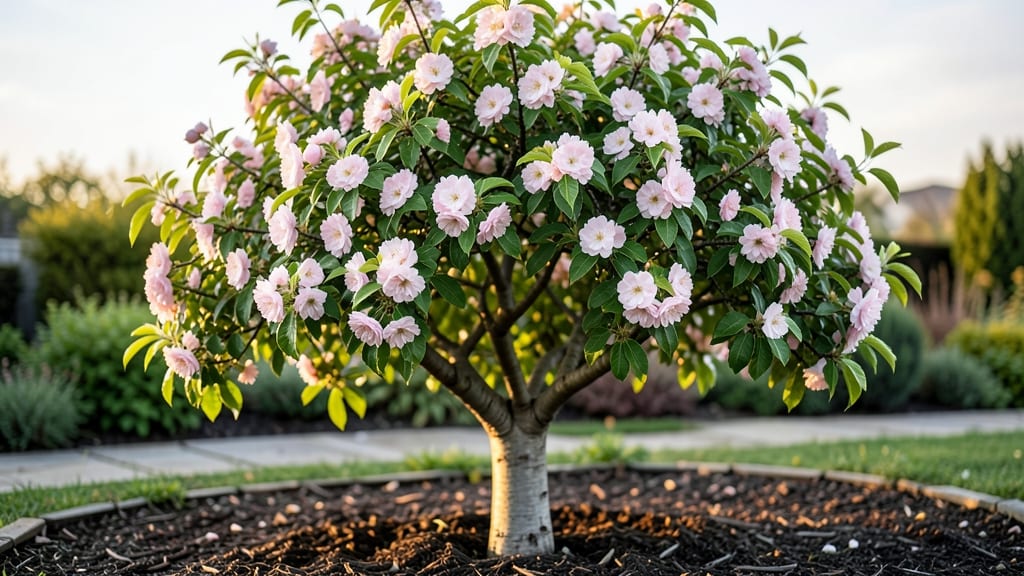
Peach trees burst into bloom with stunning pink and white blossoms, but the timing varies dramatically depending on your cultivar and hardiness zone.

Early bloomers like Reliance may open as soon as late March in Zone 7, while late varieties like Suncrest might wait until mid-April in Zone 5. Understanding these windows helps you protect blossoms from frost and optimize fruit set.

Below, I’ve organized 10+ popular varieties by bloom period, with zone-specific adjustments to help you plan.

Most peach trees bloom for 7–14 days, but late frosts can devastate flowers before they set fruit. In USDA Zones 5–6, gardeners often use frost cloth or smudge pots to shield blossoms, while Zone 8–9 growers may focus on watering deeply to extend bloom duration.

The key is matching your cultivar’s bloom window with your local frost dates—and the table below makes that easy.

Variety Bloom Time (Zone 5) Bloom Time (Zone 7) Bloom Time (Zone 9) Frost Risk Notes
Reliance Late April Late March Early March High (Zone 5) Early bloomer; needs frost protection
Elberta Early May Mid-April Late February Moderate (Zone 5) Classic freestone; late frost risk
Redhaven Mid-April Early April Late February High (Zone 5) Clingstone; blooms early
Suncrest Late April Mid-April Early March Low (Zone 5) Late bloomer; heat-tolerant
O’Henry Early May Late April Late February Moderate (Zone 5) Freestone; reliable pollinator
Contender Mid-April Early April Late February High (Zone 5) Clingstone; early season
Jubilee Late April Mid-April Early March Low (Zone 5) Freestone; late frost

How climate zones affect peach tree bloom timing (and how to adjust)

Your USDA hardiness zone is the single biggest factor in determining when your peach tree blooms. In Zone 5, late frosts often delay blooms until mid-April, while Zone 7 gardeners may see flowers as early as late February.

These timing differences directly impact fruit set—if blooms appear too early, frost can wipe out your harvest before it starts. Understanding your zone’s average last frost date helps you choose varieties that sync with local conditions.

Peach trees are dormant in winter and rely on chilling hours (300–1,000 hours below 45°F) to trigger blooms. Southern zones like Zone 8 or 9 may need low-chill varieties (e.g., Redhaven), while colder zones (Zone 5–6) thrive with high-chill cultivars like Elberta.

Mismatched varieties can lead to poor fruit production or no blooms at all.

  1. Zone 5: Blooms late April–early May (risk of frost damage); opt for late-blooming varieties like Halehaven.
  2. Zone 6: Blooms mid-April; use cold-hardy rootstocks (e.g., Lovell) to delay blooms slightly.
  3. Zone 7: Blooms late February–March; protect with frost cloth or row covers for early varieties.
  4. Zone 8–9: Blooms January–February; choose low-chill peaches (e.g., Suncrest) to avoid heat stress.
  5. All Zones: Prune in late winter to remove water sprouts and open the canopy for even sunlight, which delays blooms by 1–2 weeks.

To delay blooms in risky zones, prune heavy flower buds in late winter or use delayed dormancy sprays (like hydrogen cyanamide) to reset the tree’s internal clock. For earlier blooms in colder climates, plant near south-facing walls or use black plastic mulch to warm the soil.

Microclimates—like urban heat islands—can advance blooms by 2–3 weeks compared to rural areas.

If your peach tree blooms too early, frost can damage flowers and reduce fruit yield. In Zone 5–6, I’ve seen 50% bloom loss when temperatures drop below 28°F. To mitigate this, install frost fans or overhead sprinklers to create an insulating layer of ice.

For late bloomers, ensure the tree gets full sun and balanced fertilization (10-10-10 NPK) in early spring to boost vigor.

Another trick is to plant two varieties with staggered bloom times—this spreads risk if one batch gets frosted. For example, pair Redhaven (early) with Elberta (late) in Zone 6. Always monitor your local National Weather Service alerts for frost warnings during bloom season.

With the right adjustments, you can sync your peach tree’s blooms with your zone’s safest window for fruit set.

Remember, peach trees need 6–8 hours of sunlight daily to bloom reliably. If your tree is in partial shade, blooms may be sparse or delayed.

In my Zone 7 garden, I’ve found that dwarf varieties like Bonanza bloom 1–2 weeks earlier than standard trees, giving me a head start on frost protection. 🌱

★★★★★4.7(10 reviews)
Categories Blooming