
Blooming
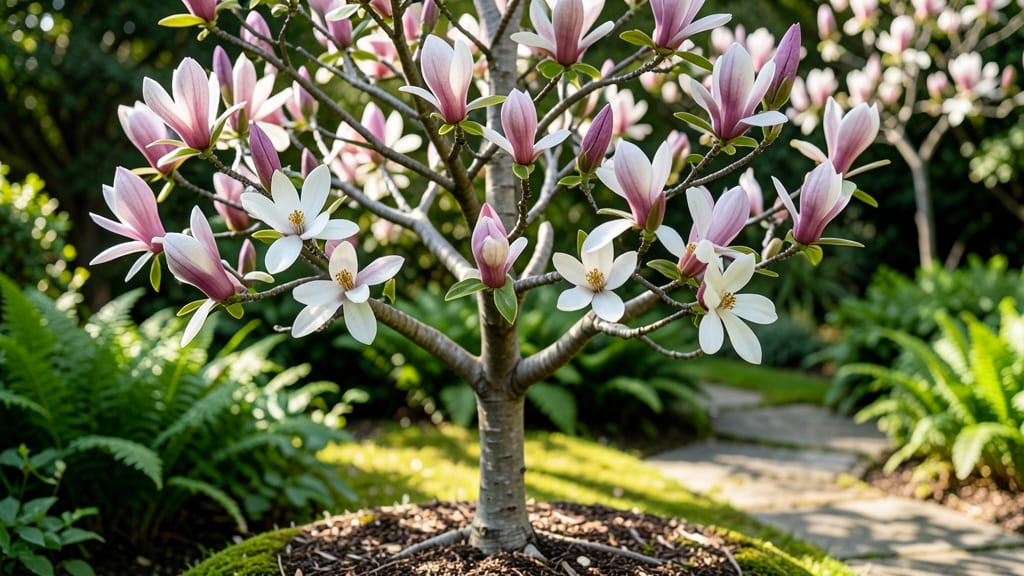
Your magnolia tree’s bloom time depends on its variety and where you live — some burst into color as early as late winter, while others wait until late spring, and a few even surprise you with summer flowers.
Picture this: you’ve waited years for that first cluster of fragrant 🌸 blooms, only to wonder why your neighbor’s magnolia is already in full glory while yours lingers bare.
The secret lies in understanding your tree’s type, your climate zone, and a few simple care tweaks that can shift bloom timing by weeks.
From the bold, early blooms of Southern magnolias to the late-spring show of Star magnolias, each variety has its own schedule — and yours might be blooming sooner than you think with the right conditions.
Below, I’ll break down exactly when to expect flowers based on your region, plus the top 3 mistakes that delay blooms (and how to fix them).
Ready to predict — and even coax — your magnolia’s first stunning display? Let’s dive into the science behind bloom timing and how to give your tree the perfect start for next season.
Magnolia bloom times by variety: when to expect flowers
Magnolias are nature’s showstoppers, but their bloom times vary dramatically by variety. Some burst into flower as early as late winter, while others wait until mid-summer to dazzle.
As someone who’s watched magnolias transform my garden from bare branches to floral splendor, I’ve learned that knowing your variety is the first step to predicting—and even encouraging—those stunning blooms.
Most magnolias bloom in spring, but timing can shift by weeks depending on whether you’re in Zone 5 or Zone 9. Early bloomers like the Southern Magnolia often start in March, while late-season varieties like the Star Magnolia may not peak until April or May.
Let’s break down the bloom windows for the most popular magnolias so you can plan your garden’s floral calendar with confidence.
Pro Tip: Look for bud swell in late winter—this is your first clue that blooms are coming soon. The buds will plump up before opening, and the timing varies by variety. Below, I’ve organized the most common magnolias by their typical bloom periods, along with visual cues to help you identify them in your garden.
If you’re in a warmer climate (Zones 8-10), many magnolias bloom earlier—sometimes as early as February—while those in cooler zones (Zones 4-6) may wait until May. The Star Magnolia is a standout early bloomer, often flowering before its leaves even appear, making it a winter garden hero.
Meanwhile, the Southern Magnolia is a late-season performer, rewarding patience with its iconic white blooms.
Pay attention
How climate zones affect magnolia bloom timing (and how to adjust)
Your magnolia tree’s bloom time isn’t set in stone—it’s heavily influenced by your USDA climate zone. A Southern Magnolia in Zone 8 might burst into flowers by late March, while the same variety in Zone 5 could wait until mid-May.
Understanding these differences helps you adjust care routines to encourage earlier blooms.
Even within the same zone, microclimates play a role. A magnolia planted near a south-facing wall or pond may bloom weeks earlier than one in a windy, exposed area. These local conditions can shift bloom timing by 2-4 weeks, so observe your tree’s specific environment.
🌱 Magnolia Bloom Timing by Zone
| Zone | Typical Bloom Window | Adjustment Tip |
|---|---|---|
| Zones 4-5 | Mid-May to June | Plant Star Magnolias (early bloomers) and mulch heavily for warmth. |
| Zones 6-7 | Late March to April | Prune in late winter to stimulate early buds. |
| Zones 8-9 | February to March | Avoid heavy summer pruning to prevent delayed blooms. |
| Zones 10+ | December to January | Provide afternoon shade to prevent heat stress. |
💡 Pro Tip: Use cold-hardy varieties (like Jane Magnolia) in colder zones to push bloom times earlier.
If your magnolia blooms later than expected, check for over-fertilization or poor drainage, both of which can delay flowering. In Zone 4, for example, young trees may not bloom until year 3 or 4 due to cold stress.
To help, apply a 2-3 inch mulch layer in late fall to insulate roots.
For Zone 9+ gardens, where magnolias often bloom in winter, protect buds from freezing nights with a lightweight frost cloth. This can advance bloom timing by 1-2 weeks in marginal zones. Pair this with morning sun exposure to encourage stronger bud formation.
Don’t overlook watering adjustments—deep watering in late summer (before dormancy) helps magnolias store moisture for early spring blooms. In arid climates, this strategy can shift bloom times by up to 3 weeks earlier compared to neglected trees.
Finally, pruning timing matters. Prune after blooming in Zones 6-9 to avoid cutting next year’s flower buds. In cold zones (4-5), wait until late May to prune, giving buds time to form before winter.