
Blooming
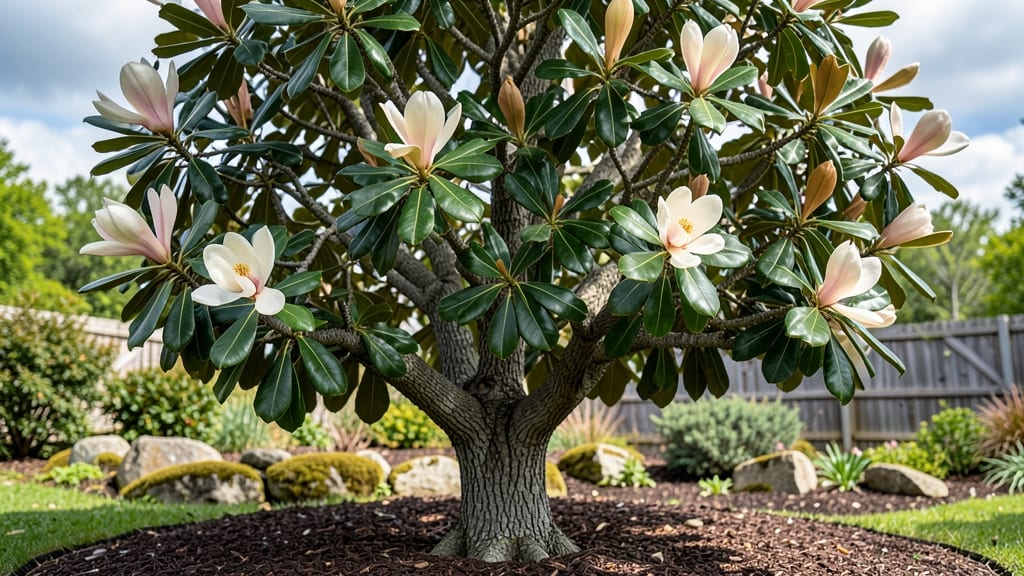
Southern magnolias burst into bloom when spring finally arrives—typically between late April and June, though exact timing depends on your zone and winter severity. 🌸 I’ve watched mine unfurl their fragrant white stars earlier in mild winters, but harsh freezes can delay blooms until June.
The key is understanding how climate, pruning, and even last year’s growth affect when those iconic flowers appear.
Contrary to popular belief, these magnolias don’t bloom in winter—they’re late spring showstoppers. What throws people off is their evergreen foliage, which makes them look like they’re always in season.
The real magic happens when warm days and cool nights signal the tree to push buds, and proper care ensures those buds stay healthy and plentiful.
To encourage the best blooms, avoid heavy pruning in late winter—this removes next year’s flower buds. Instead, prune right after blooming to shape the tree without sacrificing future flowers. Mulch well in fall to protect roots, and water deeply during droughts, as stressed trees bloom less reliably.
Once you know your tree’s rhythm, you’ll anticipate those glorious white blooms like clockwork. In warmer zones (7-9), expect earlier blooms; in cooler areas (6), they may wait until June. Either way, the fragrance and drama make the wait worth it.
📚 In This Guide
- What you need
- Instructions
- Tips and common mistakes
- Wrapping up and next steps
What you need
- ● Southern magnolia tree (Magnolia grandiflora) – Ensure it’s healthy, ideally 3–5 years old for optimal blooming potential.
- ● Well-draining soil – A mix of native soil, compost (20-30%), and sand (10-20%) for aeration.
- ● Organic mulch – 2–3 inches of pine straw, wood chips, or shredded leaves to retain moisture and regulate soil temperature.
- ● Slow-release fertilizer – A balanced 10-10-10 or 8-3-9 formula (1–2 lbs per 100 sq ft) to support growth.
- ● Watering can or hose with a gentle spray nozzle – For deep, infrequent watering (1–2 inches per week during dry spells).
- ● Pruning shears or loppers – Sharp, clean tools (sterilized with rubbing alcohol) for shaping and maintenance.
- ● Gloves and long sleeves – To protect from thorns and potential skin irritation from sap.
- ● Soil pH test kit – Southern magnolias prefer slightly acidic soil (pH 5.0–6.5). Adjust with sulfur if needed.
- ● Mulch ring – A 3–4 inch barrier around the base to keep mulch in place.
- ● Tree stake and ties (if young) – For support during transplanting or windy conditions.
- ○ Fungicide (copper-based or neem oil) – Optional but helpful to prevent powdery mildew or leaf spot.
- ● Bird netting – If local wildlife loves your blooms (though the fragrance usually deters pests!).
- ● Camera or journal – To track your magnolia’s bloom time and growth progress!
How to time Southern magnolia blooms for peak beauty
Here's how I've learned to predict and celebrate those stunning white blooms every year.
☀️ Step 1: Know Your Tree's Ideal Climate Conditions
Southern magnolias thrive in USDA Zones 7-10, where they receive 60-100 inches of annual rainfall. The key to timing blooms is understanding your local climate—these trees bloom best when they experience a winter chill period of 200-600 hours below 45°F. If your winters are too mild, blooms may appear later or be less abundant.
Check your last frost date in spring—magnolias typically bloom 2-4 weeks after that date, though some early varieties may push buds earlier. In my zone 8 garden, blooms usually start in mid-April, but I always watch for the first pinkish buds forming on last year's growth as my signal.
⏰ Step 2: Monitor Bud Development Through Winter
Start observing your tree in late winter when days begin lengthening. Healthy buds will swell noticeably by February, looking like small, fuzzy green knobs. Gently tap a few buds with your fingernail—if they feel firm but slightly pliable, they're developing well. Avoid pruning during this time, as removing buds now means fewer blooms later.
Watch for sap rising in the tree—this often happens in March and signals the tree is preparing for bloom. You'll see small droplets of sap on branch tips or cuts, and the bark may appear slightly moist. This is your cue that the blooming window is approaching.
🌿 Step 3: Recognize the Pre-Bloom Stage
The most exciting phase begins when buds turn pinkish—this happens 1-2 weeks before full bloom. At this stage, you'll notice the outer scales starting to separate slightly, revealing the creamy white flower inside. This is when the tree is most vulnerable to late frosts, so have a lightweight frost cloth ready if your area experiences unpredictable cold snaps.
Take photos daily to track progress—you'll see the buds double in size over 3-4 days. The fragrance becomes noticeable at this stage too, though it peaks during full bloom. I like to mark this date on my calendar, as it helps me predict when to prepare for the 3-4 week bloom period that follows.
🌱 Step 4: Enjoy the Full Bloom Period
Full bloom occurs when the first flower fully opens, typically in late April to early May depending on your location. Each bloom lasts 5-7 days, with new flowers opening daily for 3-4 weeks total. The tree's signature creamy white, saucer-shaped flowers will cover the branches, accompanied by that unmistakable sweet, citrusy fragrance that fills the air.
For the best experience, visit your tree early in the morning when the blooms are freshest and the scent is strongest. The petals are delicate at this stage—avoid touching them heavily, as they fall easily. I always set up a small table nearby with a vase of freshly cut blooms to extend the enjoyment indoors.
✂️ Step 5: Plan Post-Bloom Care for Next Year's Flowers
After blooms fade, the tree enters its seed production phase. The bright red seed pods that follow are beautiful but drain energy—consider removing them if you want to encourage more blooms next year. Wait until late summer when pods are fully formed before pruning, as this is the safest time to shape the tree without disturbing next year's buds.
Apply a 2-3 inch layer of mulch around the base (but not touching the trunk) to protect roots during winter. This helps maintain soil moisture and temperature, which directly impacts bud formation for next spring's blooms. I also fertilize lightly in early spring with a balanced 10-10-10 formula to support new growth.
Tips & tricks for perfect Southern magnolia bloom timing
These simple observations will help you anticipate and celebrate your magnolia's peak beauty every spring.
Climate Context: The 200-600 hour winter chill period below 45°F is non-negotiable for reliable blooms. In warmer zones (like 9-10), you might see fewer blooms or later flowering. I've seen magnolias in zone 10 produce beautiful blooms, but they often need a late winter cold snap to trigger the process. Keep a simple temperature log if you're in a borderline zone—it's the only way to predict bloom timing accurately.
Bud Development Watch: When you notice those fuzzy green knobs in February, that's your first signal! Here's what I look for: buds should feel firm but yield slightly when pressed. If they feel hard, they're not ready yet. This is also why I avoid pruning in winter—those buds are already forming next year's flowers. I keep a small notebook by my garden gate to track bud development dates year after year.
Frost Protection Strategy: The pinkish bud stage is critical—this happens exactly 1-2 weeks before bloom. I've learned the hard way that even a light frost at this stage can damage developing flowers. My go-to solution is lightweight frost cloth that I drape over the tree when forecasts call for temperatures below 32°F. The cloth lets sunlight through while protecting delicate buds from cold damage.
Post-Bloom Energy Management: Those bright red seed pods after blooms may look pretty, but they're energy vampires for your tree. I remove them in late summer when they're fully formed, which gives the tree more energy to focus on next year's buds. Just be careful not to prune too late—wait until after the pods have dried completely to avoid disturbing next year's flower formation.
Pro Tips for Southern Magnolia Bloom Time
- These simple observations will help you anticipate and celebrate your magnolia's peak beauty every spring.
- Climate Context: The 200-600 hour winter chill period below 45°F is non-negotiable for reliable blooms.
- Bud Development Watch: When you notice those fuzzy green knobs in February, that's your first signal!
Frequently asked questions
Got questions about when and how your Magnolia grandiflora will bloom? You’re not alone! Here are answers to the most common questions about Southern magnolia bloom time—plus tips to ensure those fragrant blooms arrive on schedule.
When do Southern magnolias typically bloom?
Southern magnolias usually bloom in late spring to early summer (April–June in most regions), but timing varies by climate. In warmer zones (USDA 8–10), blooms may appear as early as March, while cooler areas might see them in May or June. Mature trees (10+ years old) bloom more reliably than young ones.
Why isn’t my Southern magnolia blooming yet?
If your tree isn’t blooming, it could be too young (<3 years), stressed (drought, poor soil), or in a transitional climate. Magnolias need consistent warmth and humidity—check for pests (like scale) or root issues. Prune lightly in late winter to encourage new growth, but avoid heavy cuts, which delay blooms.
Can I speed up Southern magnolia blooming?
While you can’t rush blooms, you can optimize conditions:
- Plant in full sun to partial shade (6+ hours of light).
- Use well-draining, acidic soil (pH 5.0–6.0).
- Water deeply 1–2 times per week during dry spells.
- Avoid fertilizing in late summer—it can delay next year’s blooms.
Do Southern magnolias bloom every year?
Yes! Unlike some magnolias (e.g., Magnolia stellata), Southern magnolias are reliable annual bloomers once established. However, late frosts (<28°F) can damage buds. If blooms are sparse, check for nutrient deficiencies (add iron or sulfur if soil is alkaline) or over-pruning.
What if I want blooms earlier or later?
For earlier blooms, plant in a warmer microclimate (south-facing slope) or choose a fast-growing cultivar like ‘Little Gem.’ To delay blooms (e.g., for fall interest), avoid heavy pruning in late winter—save pruning for right after blooming.
How can I tell if my magnolia’s buds are healthy?
Healthy buds are plump, green, and tightly closed. Shriveled or brown buds may signal drought stress, frost damage, or fungal issues (like anthracnose). Spray with neem oil if you spot mold, and mulch to retain moisture. Pro tip: Gently tap a bud—if it feels soft, it’s likely healthy!
Wrapping up and next steps
Watching the southern magnolia bloom in late spring is a true gift—its fragrant white blossoms and glossy evergreen leaves bring unmatched beauty and serenity to gardens. 🌸 Whether you're admiring one in your yard or planning to cultivate your own, timing is key to enjoying their full splendor.
Now that you know when and why they bloom, why not take the next step? Visit a local nursery to pick out your own magnolia sapling, or simply step outside to savor the magic of these iconic blooms in person!