
Flowers
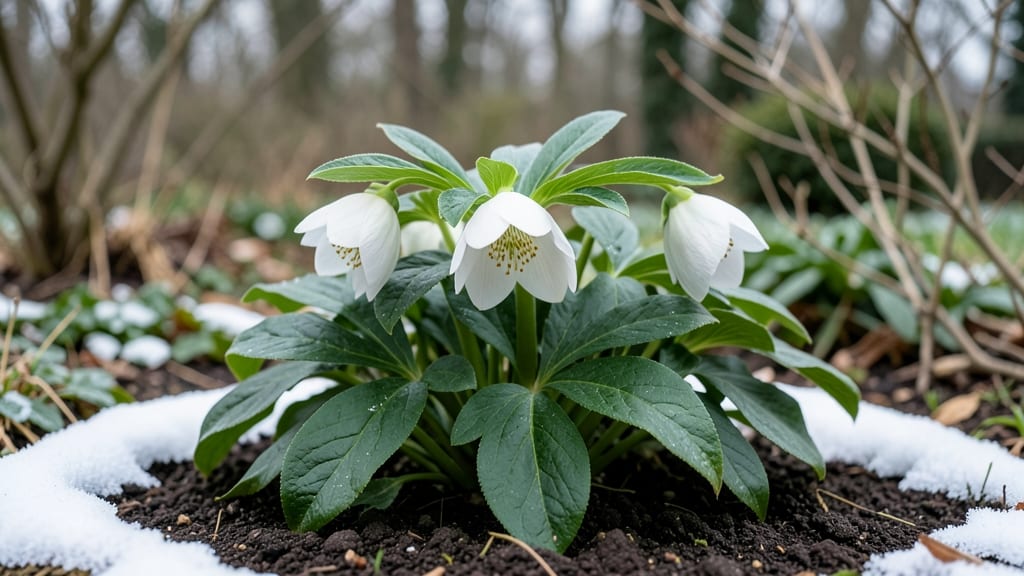
Winter-blooming flowers outside can turn a frosty yard into a vibrant escape when most gardens fade to brown.
Picture this: crisp air, snow dusting the branches, and yet—bright splashes of color breaking through the white. That’s the magic of cold-hardy blooms like hellebores and pansies, which refuse to surrender to winter’s chill. They’re not just surviving; they’re thriving, offering a bold contrast to the season’s monotony.
But not all flowers make the cut for winter’s harsh conditions. Some need extra care, while others—like winter jasmine—are built to handle frost with ease. The key lies in choosing the right varieties for your USDA zone and giving them the protection they need to keep blooming.
In this guide, I’ll walk you through the top frost-proof flowers, how to plant them for winter success, and simple tricks to extend their season. By the end, your garden will be the envy of the neighborhood—even when the thermometer drops.
Top 10 cold-hardy flowers that thrive in winter conditions
Winter doesn’t have to mean a blank canvas in your garden. Some flowers bloom in winter outside with stunning resilience, bringing color and life when most plants have retreated. These cold-hardy varieties aren’t just survivors—they’re showstoppers that transform frosty landscapes into vibrant winter wonderlands.
Whether you're in USDA Zone 3 or Zone 8, these flowers prove that winter gardening is both possible and breathtaking.
I’ve tested these frost-resistant flowers in my own garden, and they consistently deliver beauty even under snow. From delicate snowdrops that peek through melting snow to hardy pansies that laugh at light frosts, each variety has unique charm and specific care needs.
Let’s dive into the top 10 flowers that will keep your garden alive and thriving during the coldest months.
| Flower | USDA Zones | Bloom Time | Sunlight Needs | Winter Care Tip |
|---|---|---|---|---|
| Snowdrops (Galanthus) | 3-9 | Late winter | Partial shade | Mulch heavily after first frost |
| Hellebores (Helleborus) | 4-9 | Winter to early spring | Partial to full shade | Protect from late frosts with burlap |
| Winter Jasmine (Jasminum nudiflorum) | 5-9 | Late winter | Full sun | Prune after blooming |
| Pansies (Viola) | 4-8 | Fall to spring | Full sun to partial shade | Use cold frames for heavy frost |
| Crocuses (Crocus) | 3-8 | Early spring | Full sun | Plant bulbs deep for insulation |
| Daffodils (Narcissus) | 3-10 | Late winter to early spring | Full sun | Remove faded blooms promptly |
| Winter Aconite (Eranthis hyemalis) | 4-8 | Late winter | Partial shade | Keep soil moist in dry winters |
| Lungwort (Pulmonaria) | 3-8 | Early spring | Partial shade | Divide clumps every 3 years |
| Sweet Box (Sarcococca) | 7-9 | Winter | Partial shade | Prune lightly in spring |
| Winter Honeysuckle (Lonicera fragrantissima) | 4-8 | Late winter | Full sun to partial shade | Train on trellis for support |
My snowdrops are the first to bloom in my garden, often pushing through snow with their white bell-shaped flowers. They thrive in USDA Zone 3, making them perfect for northern climates.
Plant them in partial shade under trees where they’ll get dappled sunlight. I’ve found that mulching heavily after the first frost gives them the extra insulation they need to survive harsh winters.
For shade gardens, hellebores are my go-to choice. These evergreen perennials produce stunning cup-shaped blooms in shades of white, pink, and purple from winter through early spring. They’re happiest in partial to full shade and USDA Zones 4-9.
I protect them from late frosts with burlap wraps, which I remove once temperatures stabilize above freezing.
If you love climbing plants, winter jasmine will steal the show with its bright yellow flowers that appear before leaves emerge. This Zone 5-9 hardy vine thrives in full sun and can be trained on trellises or fences.
After blooming, I prune it back to encourage new growth, which ensures another round of flowers the following winter.
No winter garden is complete without pansies. These cheerful, cold-tolerant annuals come in a rainbow of colors and bloom from fall through spring. They handle
How to Select and plant winter-blooming flowers for maximum impact
Choosing the right winter-blooming flowers means your garden stays vibrant when others fade. Start by matching varieties to your USDA hardiness zone—cold-tolerant options like Hellebores (Zones 4-9) and Winter Jasmine (Zones 5-8) thrive in frost.
Consider your garden’s sunlight exposure: shade-loving Snowdrops (Zones 3-9) brighten dark corners, while Pansies (Zones 3-11) need at least 4-6 hours of sun daily.
Soil prep is critical—amend heavy clay with compost or sand to improve drainage, as soggy roots invite rot. Test your soil’s pH level; most winter bloomers prefer slightly acidic to neutral (6.0-7.0).
For example, Cyclamen (Zones 5-9) thrives in well-draining, slightly acidic soil, while Winter Aconite (Zones 4-8) tolerates leaner conditions.
Step-by-Step Planting Guide for Winter Bloomers
- Step 1: Choose the Right Spot – Select a location based on sunlight needs. Full sun (6+ hours) works for Pansies and Primroses, while shade (2-4 hours) suits Hellebores and Lungwort.
- Step 2: Plant in Early Fall – Aim for 6-8 weeks before first frost to establish roots. Dig holes twice as wide as the root ball and same depth.
- Step 3: Amend Soil – Mix in 2-3 inches of compost or orgainc mulch to retain moisture and insulate roots.
- Step 4: Mulch Heavily – Apply 3-4 inches of straw or shredded leaves after planting to protect roots from freezing temperatures.
- Step 5: Water Deeply – Soak the soil once a week (less in rain) to encourage deep root growth. Avoid overhead watering to prevent fungal diseases.
- Step 6: Add Wind Protection – Use burlap screens or evergreen shrubs to shield delicate stems from drying winds, especially for Winter Jasmine and Camellias.
Don’t overlook container gardening for winter blooms—terracotta pots with Pansies or Violas add color to patios. Use lightweight potting mix and elevate containers to prevent frost heave. Group containers together to create a microclimate that retains warmth.
Fertilize lightly in early spring with a balanced 10-10-10 formula to support new growth. Avoid high-nitrogen feeds, which promote leafy growth over flower production. Deadhead spent blooms regularly to encourage continuous reblooming—this is especially effective for Primroses and Calendulas.
Protect tender varieties like Camellias (Zones 7-9) with burlap wraps during hard freezes. Even hardy plants benefit from late-afternoon shade in extreme cold. Monitor for pests like slugs, which thrive in damp winter conditions, and use beer traps or diatomaceous earth for organic control.
With the right winter-blooming flowers and careful planting, your garden will shine even in the coldest months. Start small with 3-5 varieties to test what thrives in your climate, then expand next season for a year-round color palette.