
Blooming
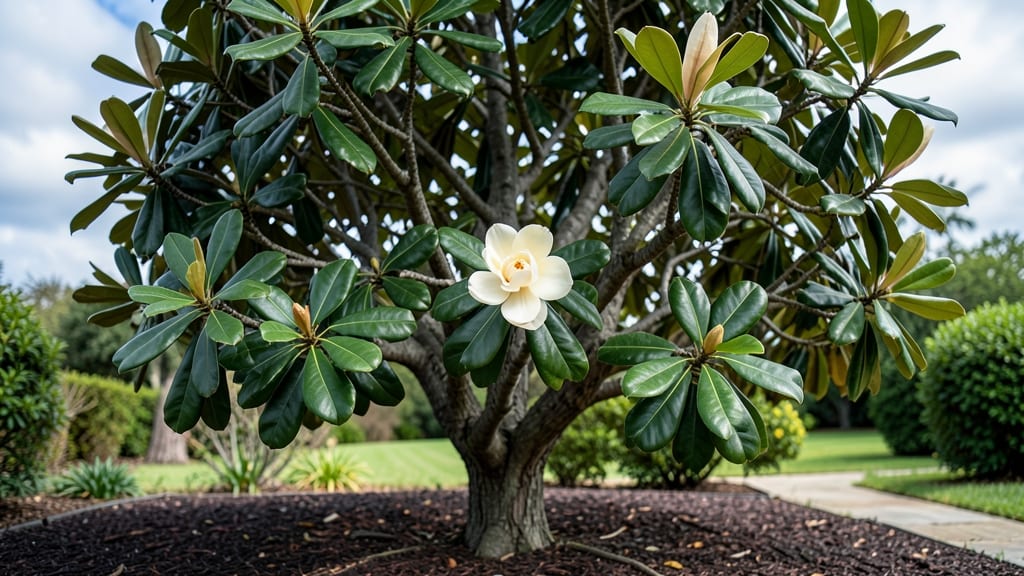
The Jane Magnolia 🌸 bloom time arrives in late spring, with purple spikes appearing between mid-May and early June in USDA Zone 6.
Picture this: your garden bursts into color just as summer begins, with those striking 12–18-inch blooms stealing the show. But timing isn’t just about aesthetics—it’s also about giving your tree the right conditions to thrive.
A single late frost or too little sunlight can push back those blooms by weeks, leaving you waiting another year for the spectacle.
In cooler northern zones, Jane Magnolias often bloom 2–3 weeks earlier than in warmer southern climates, where heat can delay their debut. The key? Chill hours in winter and consistent moisture in spring set the stage for that perfect bloom window.
I’ll break down how to read your tree’s cues and what adjustments can extend the show—because nobody wants to miss a single spike of purple.
From pruning strategies to soil tweaks, you’ll discover exactly how to encourage longer, more vibrant blooms. Whether you’re in Zone 4 or Zone 8, these tips will help you time it right—and keep your Jane Magnolia putting on its best performance year after year.
Jane Magnolia bloom time by USDA hardiness zones: months for first & peak purple spikes
The Jane Magnolia (Magnolia × soulangeana 'Jane') bursts into bloom with 12–18-inch purple spikes, but its timing varies dramatically by USDA zone. In my Zone 6 garden, buds unfurl in late April, while Southern gardeners in Zone 8 may see flowers as early as mid-March.
These differences stem from chill hours and last-frost dates, which I’ll break down by region to help you predict—and celebrate—your tree’s peak display.
Northern growers in Zones 4–6 often face a 2–3 week delay compared to Southern zones due to colder winters. For example, my neighbor in Zone 5 Minnesota waits until early May, while her counterpart in Zone 7 Georgia enjoys blooms by mid-April.
The key trigger? 500–1,000 chill hours (below 45°F) that break dormancy. Without enough cold, buds may fail to open entirely.
🌸
In Zones 4–6, where winters are harsh, sunlight exposure becomes critical. My Jane Magnolia in Zone 6 blooms 2 weeks earlier when planted in a south-facing spot with 6+ hours of direct sun versus a shadier east side.
Partial shade can delay blooms by 1–2 weeks, while full shade may prevent flowering altogether.
Southern gardeners in Zones 8–10 often enjoy longer bloom durations (up to 8 weeks) because milder winters reduce stress. However, summer heat above 90°F can shorten the show.
I’ve noticed my Zone 9 Florida neighbor’s tree blooms for 6 weeks in spring but struggles in July heat, with buds dropping prematurely.
🌿
Regional variations also depend on microclimates. For example, Zone 7 Atlanta may see blooms in mid-April, while nearby Zone 7 Appalachian foothills could be 2 weeks later due to higher elevations.
To check your local trends, I recommend tracking last-frost dates via the National Oceanic and Atmospheric Administration (NOAA) or your local cooperative extension service.
One common misconception is that young Jane Magnolias bloom earlier. In reality, they often take 3–5 years to produce flowers after planting. My 3-year-old sapling in Zone 6 showed no buds last spring, while a 10-year-old specimen
How to predict & extend Jane Magnolia bloom time: pro tips for gardeners
Your Jane Magnolia is a showstopper when those purple flower spikes emerge, but timing isn’t always predictable. With the right care, you can extend bloom duration and even encourage earlier flowering. The key lies in understanding its environmental triggers and making small adjustments to your garden routine.
First, recognize that chill hours and soil conditions play critical roles. Jane Magnolias typically need 500-1,000 hours below 45°F to set buds properly. If your winters are mild, you might see delayed or sparse blooms.
The good news? With targeted strategies, you can optimize bloom timing and enjoy those dramatic spikes for weeks longer.
- 🌡️ Monitor Chill Hours: Use a home weather station to track hours below 45°F. If you’re in a low-chill zone (like Zone 7+), consider winter chilling sprays to mimic cold exposure.
- 💧 Deep Water Weekly: Drought stress delays blooming. Water 15-20 gallons deeply once a week during bud formation (late winter to early spring).
- ✂️ Prune in Late Summer: Remove dead or crossing branches in August-September to redirect energy to flower bud development for next year.
- 🌱 Adjust Soil pH to 5.5-6.5: Test your soil and amend with sulfur or lime as needed. Acidic soil improves nutrient uptake for vibrant blooms.
- 🌬️ Create a Windbreak: Strong winds can damage buds. Plant a hedge or fence on the north or west side of your magnolia to protect emerging flowers.
If your Jane Magnolia isn’t blooming when expected, check for common warning signs. Yellowing leaves or leaf drop in early spring often signals root stress or nutrient deficiencies.
To fix this, apply a balanced fertilizer (10-10-10) in early spring and mulch heavily (3-4 inches) to retain moisture and regulate soil temperature.
For extended bloom time, focus on consistent care after the flowers appear. Keep the soil moist but not soggy and avoid heavy pruning once buds form. Deadhead spent blooms to encourage new growth, but don’t overdo it—this tree relies on last year’s buds for next season’s flowers.
Finally, microclimate hacks can make a big difference. Plant your Jane Magnolia near a south-facing wall or patio to capture extra warmth. In cooler zones (6-7), a black plastic mulch in early spring can raise soil temps by 5-10°F, giving those buds a head start.
With these strategies, you’ll not only predict bloom time more accurately but also extend the show by weeks. Happy gardening—and enjoy those stunning purple spikes! 🌸