
How To
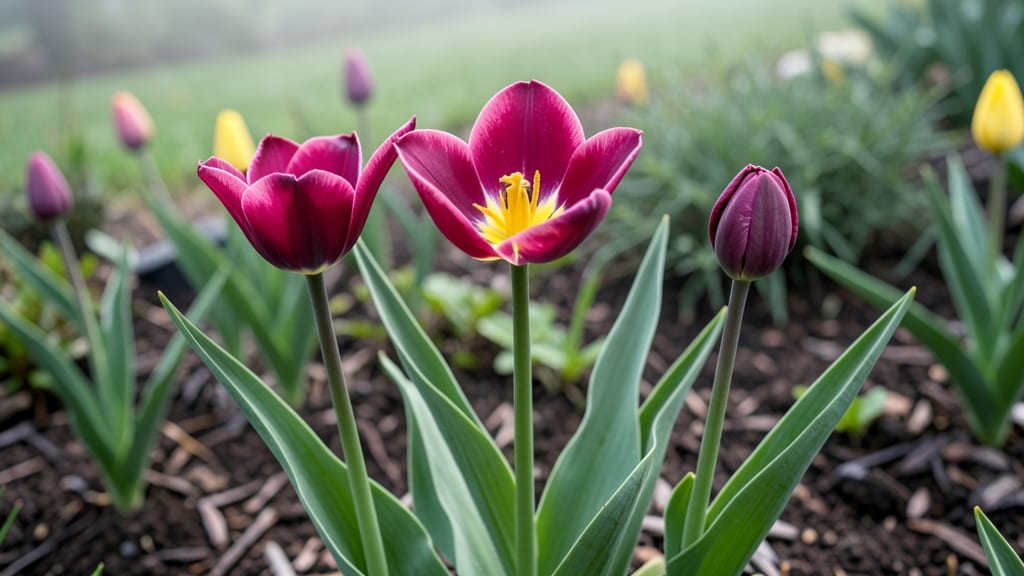
Tulips bloom for anywhere from 3 days to 2 weeks, depending on the variety and care you give them 🌷 — but most gardeners expect about one week of vibrant color if they’re lucky.
If you’ve ever wondered why your tulips seem to vanish overnight—or how to make them last longer—you’re not alone. Some varieties, like the bold Darwin Hybrids, hold their color for nearly two weeks, while others fade in just a few days.
The difference often comes down to genetics, sunlight, and even how much you water them.
Here’s the good news: with a few simple tricks—like deadheading spent blooms or adjusting your watering schedule—you can extend that bloom time by 3 to 7 days.
We’ll break down exactly which varieties last the longest, why some tulips fade so quickly, and how to keep your garden looking fresh longer than you thought possible.
Ready to turn your one-week wonder into a two-week showstopper? Let’s dive into the science (and secrets) behind tulip longevity.
Exact tulip bloom duration by variety: from 3 days to 2 weeks
Tulips are famous for their vibrant bursts of color, but their bloom duration varies wildly depending on the variety. Some tulips open their petals in just 3 days, while others grace your garden for up to 2 weeks.
The difference comes down to genetics, flower structure, and even how you care for them. Let’s break down the exact bloom times for popular tulip types so you know what to expect—and how to make them last longer.
Understanding these timelines helps you plan your garden layout and timing. For example, early bloomers like Kaufmanniana tulips might fade just as Darwin Hybrid varieties are reaching their peak. Knowing these differences lets you create a sequential bloom display that keeps your garden colorful from late winter through spring.
Why do some tulips bloom faster? The answer lies in their flower biology. Tulips with larger petals (like Parrot tulips) often have shorter bloom times because their heavy petals wilt quicker. Meanwhile, taller, slender tulips (like Fringed tulips) tend to hold up better in wind and rain, extending their display. Humidity and temperature also play a role—cooler springs naturally lengthen bloom duration.
Here’s a quick reference for the most popular tulip varieties and their typical bloom durations:
| Variety | Bloom Duration | Peak Bloom Time | Key Traits |
|---|---|---|---|
| Darwin Hybrid Tulips | 7-10 days | Mid to late spring | Large, sturdy blooms; long stems; great for cutting |
| Parrot Tulips | 5-7 days | Late spring | Exotic, ruffled petals; heavy blooms wilt faster |
| Fringed Tulips | 10-14 days | Early to mid spring | Delicate, fringed edges; slender stems hold up well |
| Kaufmanniana Tulips | 3-5 days | Early spring | Dwarf, early bloomers; small but vibrant flowers |
| Double Late Tulips | 8-12 days | Late spring | Layered petals; heavier blooms need support |
| Species Tulips | 7-10 days | Early to mid spring | Wildflower-like; often fragrant; shorter stems |
| Fransen Tulips | 9-12 days | Mid spring | Fringed edges; similar to Fringed but slightly later |
| Greigii Tulips | 5-7 days | Early spring | Striped petals; compact size; early bloomers |
The Darwin Hybrid tulips are the standout performers, often lasting 7-10 days or longer with proper care. Their sturdy stems and large blooms make them a favorite for gardeners who want long-lasting cut flowers.
If you’re growing tulips for bouquets, these are your best bet—their extended bloom time means more time to enjoy their beauty indoors.
On the opposite end, Parrot tulips and Greigii tulips are the shortest-lived, typically lasting just 5-7 days. Their unique, exotic shapes make them stunning, but their delicate petals wilt quickly.
To maximize their impact, plant them where you can admire them up close or cut them early in the morning for indoor arrangements.
If you love sequential blooming, mix early varieties like Kaufmanniana tulips (which bloom in 3-5 days) with later bloomers like Fringed tulips (which can last 10-14 days). This creates a rolling wave of color that keeps your garden vibrant from early spring through late spring.
Pair them with perennials like alliums or daffodils to fill in the gaps between tulip blooms.
One common misconception is that all tulips bloom for the same amount of time. In reality, the difference between a 5-day bloom and a 14-day bloom can be the deciding factor in your garden design.
For example, if you’re planting a border garden, you might want to include a mix of early, mid, and late bloomers to ensure continuous color. This strategy also helps attract pollinators like bees and butterflies, who rely on a steady food source.
To get the most out of your tulips, pay attention to their bloom stages. The first sign of a tulip opening is when the bud begins to split.
This is your cue to start monitoring its progress—most tulips reach full bloom within 24-48 hours of the first petal unfurling. Once fully open, enjoy their beauty for the duration listed above, then consider deadheading to encourage reblooming (if your variety allows it).
Fun fact: The record holder for longest tulip bloom is the Fringed tulip, which can sometimes stretch its display to 2 weeks under ideal conditions. The secret? Cooler temperatures, consistent moisture, and well-draining soil all contribute to longer blooms.
If you’re in a warmer climate, opt for late-season varieties like Double Late tulips, which naturally bloom later when temperatures are cooler.
5 Proven ways to extend tulip blooms by 3-7 days
Tulips are fleeting beauties, but with the right techniques, you can extend their vibrant display by nearly half their natural lifespan. The key lies in understanding their needs—from watering habits to sunlight exposure—and avoiding common pitfalls that shorten their bloom time.
Even Darwin Hybrid tulips, which naturally last 10-14 days, can be coaxed into lasting 2-3 weeks longer with these methods.
Many gardeners unknowingly accelerate wilting by overwatering or removing spent blooms too soon. The secret to longevity starts before the first bud even opens. Let’s dive into the 5 science-backed strategies that will keep your tulips looking fresh and stunning for weeks beyond their typical bloom cycle.
- 💧 Water deeply 2x/week – Tulips need 1 inch of water per week. Avoid soggy soil, which causes rot, but never let them dry out completely.
- ✂️ Deadhead at the right time – Snip spent blooms after they’ve fully wilted (not immediately). This redirects energy to next year’s bulbs.
- ☀️ Adjust sunlight exposure – Move partial-shade varieties to morning sun only if they wilt quickly. Full sun (6+ hours) is ideal for most tulips.
- 🌱 Fertilize with bulb food – Use a low-nitrogen fertilizer (5-10-10) after blooming to strengthen bulbs for next season.
- 🌿 Leave foliage until yellow – Never cut back leaves until they turn brown. This ensures bulbs store energy for future blooms.
One of the biggest mistakes I see is over-pruning tulip foliage. Many gardeners trim leaves too soon, thinking it’s tidying up—but this starves the bulb of nutrients. Let those leaves photosynthesize until they naturally yellow and die back. This simple step can add 5-7 extra days to next year’s blooms.
For container-grown tulips, consistency is critical. Watering schedules need to be more frequent than in-ground plants because pots dry out faster. I’ve found that drip irrigation in the morning keeps stems sturdy and blooms hydrated longer.
Avoid evening watering—it promotes fungal diseases like gray mold, which can cut bloom time in half.
Don’t overlook the power of mulch. A 2-inch layer of organic mulch (like straw or shredded leaves) helps retain moisture and regulates soil temperature. This is especially helpful in hot climates where tulips can wilt within days.
Plus, mulch suppresses weeds that compete for water and nutrients, giving your tulips the edge they need to thrive.
With these techniques, even short-lived varieties like Fringed Tulips (which typically bloom for just 5-7 days) can last up to 14 days. The effort is minimal, and the payoff—a garden bursting with color for weeks longer—is worth every extra minute spent caring for them.