
Blooming
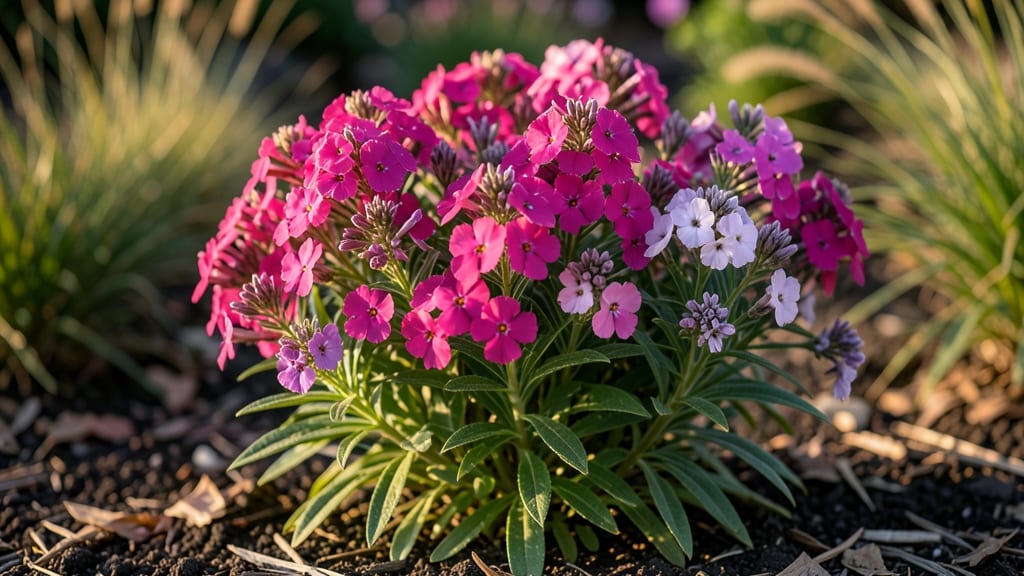
Phlox blooms all summer only if you plant perennial varieties like garden phlox or tall phlox, which continue flowering from late spring through fall in USDA zones 3-9 when given consistent moisture and regular deadheading. Annual phlox, however, produces vibrant blooms for just a few weeks before dying back with the first frost.
Not all phlox varieties deliver continuous summer color—it depends entirely on whether you choose perennials or annuals. 🌸 Perennial phlox like garden phlox and tall phlox are bred to rebloom throughout the season when you maintain proper care, especially consistent moisture and deadheading spent flowers.
Annual phlox, while stunning, only lasts one season, typically flowering for 6-8 weeks before their lifecycle ends. The key difference lies in their root systems and genetic programming: perennials store energy to regrow, while annuals focus all their energy on one brief flowering period.
For gardeners wanting summer-long blooms, selecting the right variety makes all the difference. The perennial types not only flower longer but also return year after year, making them the smart investment for continuous color.
That said, even with perennials, proper care is essential—skipping deadheading or letting the soil dry out can shorten their bloom window significantly.
💡 In This Article
- Perennial vs Annual Phlox Bloom Seasons Explained
- Pro Tips to Extend Phlox Blooms Through Summer
Perennial vs annual phlox bloom seasons explained
Perennial phlox varieties like garden phlox (Phlox paniculata) and tall phlox (Phlox paniculata cultivars) are bred to produce two distinct bloom cycles each season.
The first flush of flowers typically appears in late May to June, followed by a second, often more abundant bloom in late summer to early fall—sometimes lasting until frost.
This reblooming ability occurs because perennial phlox stores energy in their thick, fibrous root systems during dormancy, allowing them to regenerate new growth and flowers when conditions are favorable. 🌿
The magic of perennial phlox lies in their photoperiod sensitivity—they respond to changing daylight hours. As days shorten in late summer, these varieties trigger a second flowering cycle, unlike annual phlox which follows a strict one-season lifecycle.
Annual phlox (Phlox drummondii) bursts into bloom in early to mid-summer (June-July) but produces flowers for only 4-8 weeks before their entire plant structure collapses after frost. This difference stems from their genetic programming: perennials prioritize survival through root reserves, while annuals invest all energy into rapid reproduction.
Temperature also plays a crucial role. Perennial phlox thrives in USDA zones 3-9, where they experience distinct seasonal temperature shifts that trigger dormancy and reblooming.
In colder zones (3-5), they may need winter mulch to protect roots, while in warmer zones (7-9), they often bloom continuously if given consistent moisture and partial shade to prevent stress.
Annual phlox, however, struggles in extreme heat or cold—it requires 60-75°F temperatures to flower and dies when nighttime temps drop below 50°F. 🌡️
Light exposure creates another key difference. Perennial phlox performs best in full sun to partial shade (6 hours of sunlight daily), while annual phlox demands full sun exposure (at least 8 hours) to trigger its single bloom cycle.
The tradeoff? Perennial varieties often develop stronger stems and larger flower clusters when given afternoon shade, especially in hot climates. This adaptability makes them more versatile for different garden microclimates compared to annuals.
Consider these bloom cycle comparisons when selecting phlox:
- Garden phlox (perennial): Late May-June + August-October (rebloom)
- Tall phlox (perennial): June-July + September-November (rebloom)
- Annual phlox: June-July only (one-time bloom)
The secret to perennial phlox's extended blooming lies in their axillary buds—these hidden flower buds form along the stems and remain dormant until triggered by proper care.
When you remove spent blooms (deadheading), you redirect the plant's energy toward these axillary buds, stimulating new growth and prolonging the flowering season. Annual phlox lacks this mechanism, making their bloom period inherently limited. 💡