
Blooming
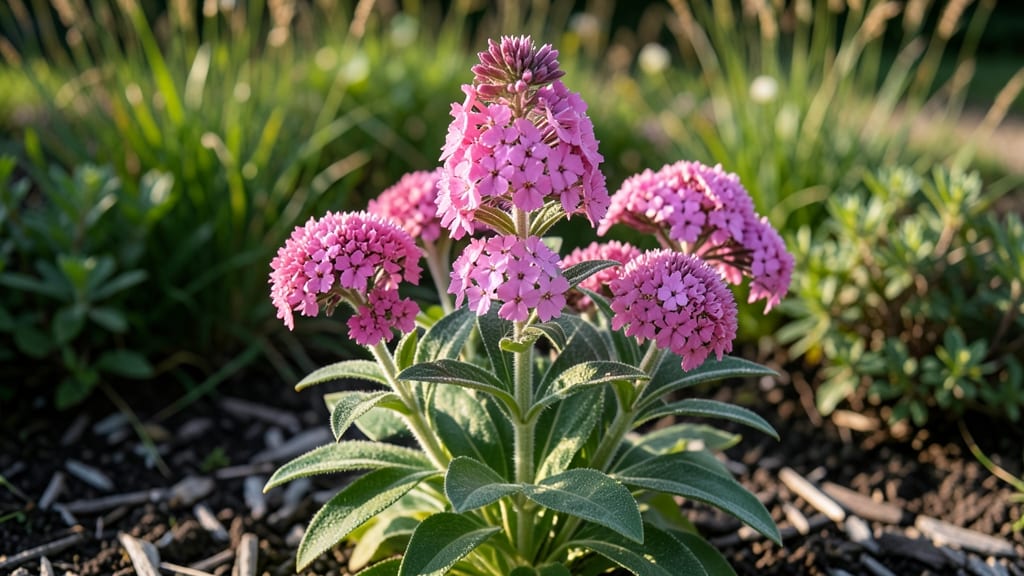
The tall phlox bloom time transforms your garden into a vibrant showstopper with minimal effort—just wait for late spring to early summer.
If you're dreaming of vibrant early summer blooms but tired of waiting months for color, tall phlox could be your game-changer—some varieties burst into flower in just 6-8 weeks from seed!
This fast-blooming perennial thrives in USDA Zone 6a and beyond, making it perfect for spring planting in March or April. With the right care, you can coax even earlier blooms by choosing quick-start varieties and giving them the right growing conditions.
Below, I’ll share the fastest-growing tall phlox types, how to extend their bloom time naturally, and common mistakes that cut blooms short—so you can enjoy those cheerful clusters sooner than you think.


Fastest tall phlox varieties for early summer blooms
If you're eager to transform your garden into a vibrant summer paradise, tall phlox is one of the fastest performers I've grown—some varieties bloom in as little as 50 days from seed!
The key to early color lies in selecting the right fast-blooming cultivars and planting them at the optimal time for your USDA hardiness zone. Whether you're in the humid South or cooler North, these high-speed bloomers will deliver stunning vertical color without the long wait.
Tall phlox thrives in full sun to partial shade, reaching heights of 3-5 feet, making it perfect for backyard borders, cottage gardens, or cut flower arrangements. The fastest varieties typically flower 6-8 weeks after transplanting, with some heavy bloomers continuing through early fall.
To maximize your chances of early blooms, I recommend starting with pre-started nursery plants (which bloom 2-3 weeks faster than seeds) or sowing seeds indoors 8-10 weeks before your last frost date.
Here’s what sets the fastest tall phlox apart: compact growth habits, robust stems, and disease resistance. Varieties like 'David' and 'Blue Ridge' are top performers in my garden, withstanding heat and humidity while still delivering bold, long-lasting blooms.
Below, I’ve compared the quickest-blooming tall phlox varieties to help you choose the perfect fit for your garden’s timing and conditions.
| Variety | Bloom Time (Days) | Height | Color Palette | Best Zones | Planting Tip |
|---|---|---|---|---|---|
| 'David' | 50-60 | 3-4 ft | Pink, red, white | 4-9 | Plant in full sun for earliest blooms |
| 'Mourning' | 55-70 | 4-5 ft | Deep purple | 3-8 | Deadhead to extend blooms by 3-4 weeks |
| 'Blue Ridge' | 60-75 | 3-4 ft | Blue, lavender | 5-9 | Tolerates partial shade for cooler climates |
| 'Lipstick' | 55-65 | 3-4 ft | Hot pink | 4-8 | Great for cut flowers—lasts 7-10 days in vase |
| 'Emerald Blue' | 65-80 | 4-5 ft | Blue-green | 3-7 | Drought-tolerant once established |
For zone 3-5 gardeners, aim to plant tall phlox as early as late April—just after the last frost—to ensure blooms by early June. In zones 6-9, you can push planting to mid-May while still achieving summer-long color.
Pro tip: If you’re in a hotter climate (zones 7-9), opt for varieties like 'Blue Ridge' or 'Emerald Blue', which handle afternoon shade better and bloom earlier in the season.
One of my favorite tricks for supercharging bloom time is to pre-soak phlox seeds for 24 hours before planting. This cuts germination time by 3-5 days, giving you a head start on the growing season.
Pair this with a slow-release fertilizer (like 10-10-10) at planting, and you’ll see **bolder stems
How to extend tall phlox bloom time naturally
Tall phlox (Phlox paniculata) is a garden star that thrives with the right care, and extending its bloom time is entirely possible with a few natural strategies. Most varieties bloom for 4-6 weeks naturally, but with consistent attention, you can push that to 8-10 weeks or longer.
The key lies in mimicking ideal growing conditions while encouraging continuous flower production.
One of the simplest ways to extend bloom time is by focusing on three critical factors: proper deadheading, balanced soil nutrition, and strategic watering. These techniques work together to reduce stress on your plants and signal them to keep producing flowers.
Let’s break down each method with actionable steps you can start using this season.
- 1 Deadhead religiously every 2-3 days during peak bloom. Remove spent flowers by pinching or snipping just above the first set of leaves. This prevents seed formation and redirects energy to new blooms. Use clean, sharp pruners to avoid damaging stems.
- 2 Amend soil with phosphorus-rich fertilizer (like 5-10-10) in early spring and again after the first flush of blooms. Phosphorus promotes root and flower development. Mix 1 tablespoon into the soil around each plant, then water deeply to activate nutrients.
- 3 Water deeply in the morning to encourage strong root growth. Aim for 1-1.5 inches of water per week, adjusting for rainfall. Avoid overhead watering in the evening to prevent fungal diseases like powdery mildew, which can stress plants and shorten bloom time.
- 4 Plant companion flowers like bee balm or lavender nearby to attract pollinators and deter pests. Tall phlox benefits from increased pollination, which can lead to more robust blooms. Companion planting also improves air circulation, reducing disease risk.
- 5 Apply a 2-inch layer of mulch around the base of plants in early summer. Mulch retains moisture, regulates soil temperature, and suppresses weeds that compete for nutrients. Use organic mulch like shredded bark or straw for best results.
Another often-overlooked trick is to lightly prune tall phlox after the first major bloom cycle. Cut back stems by one-third to encourage a second flush of flowers. This works best for varieties like 'David' or 'Blue Ridge,' which respond well to pruning.
Just be sure to do this after the first wave of blooms has faded but before the plant goes dormant in fall.
Consistency is key when extending tall phlox bloom time. Stick to your deadheading schedule, monitor soil moisture, and keep an eye out for pests like aphids or Japanese beetles. Early intervention with neem oil or insecticidal soap can prevent damage that might cut blooms short.
With these techniques, your tall phlox can keep flowering well into late summer, giving you months of color instead of weeks.
Remember, tall phlox rewards patience and care. By focusing on these natural methods, you’ll not only extend bloom time but also create a healthier, more vibrant plant that thrives year after year. Happy gardening!