
Blooming
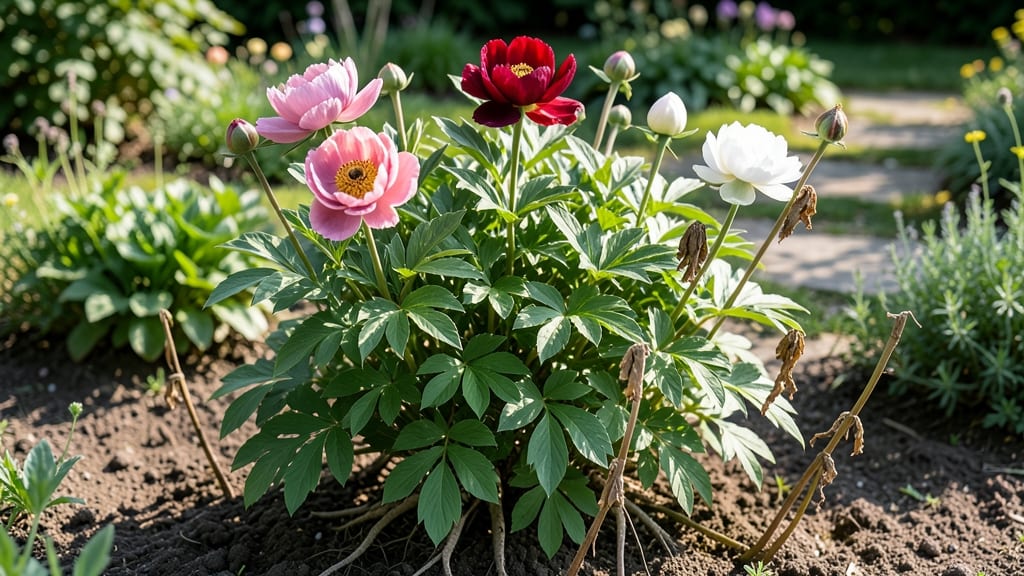
Do peonies only bloom once? The answer is no—many reblooming varieties like 'Sarah Bernhardt' or 'Bowl of Beauty' produce two flower cycles per season, with a primary spring display followed by smaller summer blooms. With proper care, these plants can reward you with multiple showstopping displays annually.
This isn't just about variety selection—reblooming peonies actually undergo a fascinating biological process where they store energy for a second flush. 🌸 The key difference lies in their growth habits: single-bloom types focus all their energy on one spectacular display, while rebloomers split their resources between size and frequency.
I've seen 'Duchesse de Nemours' put on a second show in late summer if you provide consistent moisture and avoid heavy pruning after the first bloom.
What many gardeners don't realize is that reblooming potential depends heavily on your climate zone. In warmer regions (USDA zones 7-8), these plants often perform better than in colder areas where they might need winter protection.
The trade-off? Reblooming varieties typically produce slightly smaller flowers than their one-time blooming cousins, but the extended show makes them worth the effort.
💡 In This Article
- Why Some Peonies Bloom Once While Others Rebloom
- How to Encourage Reblooming in Peony Plants
Why some peonies bloom once while others rebloom
The fundamental difference between single-bloom and reblooming peonies lies in their genetic programming and energy allocation strategies. Single-bloom varieties like 'Kansas' or 'Bowles White' invest all their stored energy into producing one spectacular floral display in spring.
These plants prioritize flower size and longevity over frequency, which is why their blooms often reach 5-7 inches in diameter and last for weeks. The trade-off? They require 3-5 years to reach maturity before their first bloom.
Reblooming varieties, however, have evolved to split their energy between two cycles: the primary spring bloom and a secondary summer display.
This dual-flush capability comes from their ability to store carbohydrates in thickened root structures (called "tuberous roots") that act like natural batteries. 🌱 For example, 'Sarah Bernhardt' stores enough energy to produce a second flush of 3-5 inch blooms in late June to July, though these are typically 20-30% smaller than the spring display.
The key difference is in their flowering nodes—single-bloomers have one dominant bud per stem, while rebloomers develop multiple buds along the same stem.
Climate plays a crucial role in determining whether a peony will rebloom successfully. In cooler regions (USDA zones 3-5), the summer heat required to trigger the second flush may not be sufficient, while in warmer zones (6-8), rebloomers often perform exceptionally well.
The ideal summer temperature range for reblooming is 75-85°F during the day with cooler nights. This temperature differential helps the plant recover between blooms. I've observed that in zone 7 gardens, properly cared-for rebloomers can produce 10-15% more total blooms than single-bloomers over a season.
There's also a physiological reason why reblooming requires more careful management: the second flush comes from lateral buds that form after the first bloom. These buds are more sensitive to environmental stresses like drought or improper pruning.
When you see a reblooming peony fail to produce a second flush, it's often because the plant didn't receive adequate moisture (1-1.5 inches per week) during the critical 6-8 week recovery period after the first bloom.
The plant needs this time to rebuild its carbohydrate reserves for the summer display.
Another fascinating aspect is how light exposure affects reblooming potential. Peonies are photoperiod-sensitive plants that require 6-8 hours of direct sunlight daily to set flower buds. In shaded conditions, they'll focus energy on foliage growth rather than flowering.
This is why gardeners in urban areas with limited sunlight often see their reblooming peonies produce only one flush—they simply don't get enough light to trigger the second set of buds. The leaves themselves play a role too: they photosynthesize and store energy that fuels both blooms.
Understanding these botanical differences helps explain why some peonies seem to "give up" on reblooming after a few years. As plants age, their root systems may become less efficient at storing and redistributing carbohydrates, or they may develop diseases that affect their energy reserves.
For example, peony wilt disease can reduce a plant's ability to store carbohydrates by up to 40%, directly impacting reblooming potential. This is why regular soil testing and proper fertilization (especially with phosphorus) become critical for maintaining reblooming performance over time.