
Blooming
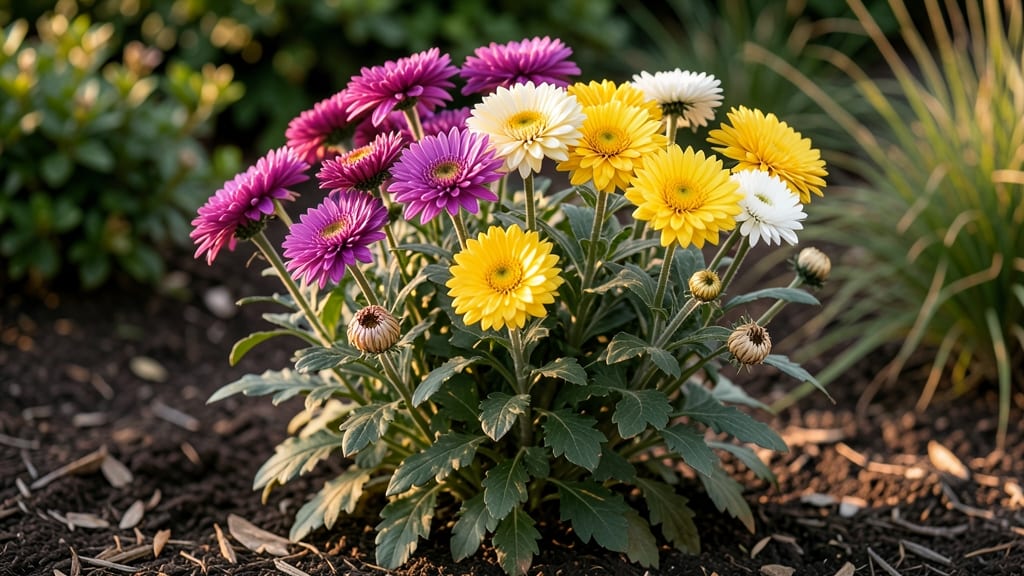
Mums don't always bloom just once per season—reblooming varieties like fall chrysanthemums can produce multiple flushes with the right care, while single-bloom types flower only once. The timing and intensity of blooms depend on light conditions, pruning practices, and seasonal transitions.
Not all chrysanthemums follow the same blooming pattern—it all comes down to their type and growing conditions. 🌸 The reblooming varieties (like 'Jolinda' or 'Marmalade') are bred to produce multiple flower cycles when given consistent care, while single-bloom types focus their energy on one spectacular show.
The key difference lies in their genetic makeup and how they respond to seasonal changes. For instance, garden mums typically bloom once in fall, but with proper pruning and fertilizer, you can coax a second round of blooms before winter sets in.
What many gardeners don't realize is that light exposure plays a huge role—too much direct sun can stress the plant and shorten its blooming window. I've found that providing bright, indirect light (like morning sun with afternoon shade) helps extend the flowering period.
Additionally, removing spent blooms regularly encourages new growth, while a balanced fertilizer in early summer gives the plant the nutrients it needs to prepare for another round of flowers.
💡 In This Article
- Why Some Mums Bloom Once and Others Rebloom
- How to Encourage Repeat Blooming in Chrysanthemums
Why some mums bloom once and others rebloom
The blooming cycle of chrysanthemums is controlled by a combination of genetics and environmental cues. Single-bloom varieties, like many garden mums, are bred to focus their energy on one spectacular fall display.
These plants typically follow a natural short-day photoperiodism response—meaning they bloom when daylight hours shorten in late summer/early fall. Once they've produced their primary flowers, their energy shifts to winter survival, and they won't rebloom without significant intervention.
Reblooming varieties, however, are genetically modified to produce multiple flushes of flowers. These cultivars can be coaxed into reblooming by controlling light exposure and providing consistent care.
The key difference lies in their flowering hormones: single-bloom types produce a surge of ethylene gas after their first bloom, which signals the plant to stop flowering. Rebloomers maintain lower ethylene levels, allowing them to respond to additional light and nutrient signals.
For example, the popular 'Bonanza' series can produce three distinct blooming cycles with proper care, while 'Marmalade' varieties often rebloom in late summer if given the right conditions.
Temperature sensitivity also plays a crucial role. Chrysanthemums are cool-season plants that thrive in 60-75°F conditions. When temperatures rise above 85°F during summer, many varieties enter a dormant-like state, halting flower production.
This is why gardeners in hot climates often see only one bloom cycle—unless they provide afternoon shade or use shade cloth to maintain optimal temperatures. The plant's internal clock, regulated by phytochrome pigments, detects these temperature shifts and adjusts its flowering schedule accordingly.
Cultivar selection makes all the difference. Garden mums (like 'Bright Golden Anne') are typically single-bloomers, while disbudded varieties (bred to produce smaller, uniform flowers) often rebloom more readily. The disbudding process itself—removing side buds to encourage larger central blooms—can actually stimulate the plant's hormonal balance to favor repeated flowering.
For instance, 'Jolinda' chrysanthemums are famous for their ability to produce three distinct bloom cycles per season when grown under 12-14 hours of light daily with proper fertilization.
Light management is where most gardeners can influence reblooming success. Natural daylight hours shorten in fall, triggering blooming in single-cycle varieties. To encourage reblooming, you can extend light exposure to 12-14 hours daily using grow lights during summer months. This mimics the shorter days that would normally signal blooming time.
The plant interprets this extended light as a continuation of summer, delaying its natural fall bloom response until you're ready for another cycle. Professional growers use this technique to produce commercial cut flowers year-round.
What's fascinating is how these plants balance their energy between growth and flowering. Single-bloom varieties allocate nearly all their resources to that one spectacular display, while rebloomers distribute energy more evenly.
This is why reblooming mums often have smaller individual flowers—they're producing more blooms over a longer period rather than one massive display. The trade-off is worth it for gardeners who want continuous color from late summer through fall.