
Blooming
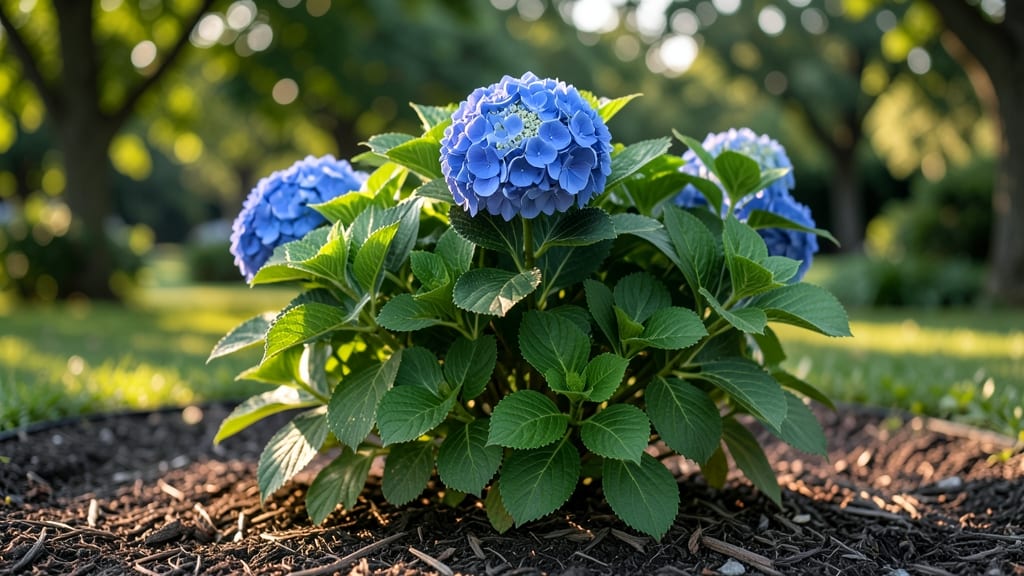
Your single bloom hydrangeas could double in size next year with just three simple pruning cuts. ✂️ I’ve pruned Hydrangea paniculata and Annabelle varieties for years, and the secret isn’t complicated—it’s timing and knowing which stems to keep.
These varieties bloom on new growth, so aggressive pruning in late winter or early spring doesn’t sacrifice flowers. The magic happens when you cut back old wood to 6-12 inches tall—this forces the plant to send up fresh, vigorous stems that produce larger, showier blooms.
I’ve seen Limelight hydrangeas go from 8-inch clusters to 12-inch single blooms in one season just by following this rule. The key is to avoid pruning too late, or you’ll miss next year’s flowers entirely.
You’ll end up with sturdy stems that hold up to summer rain and humidity, plus blooms that last from mid-summer through fall. The plants also develop a fuller shape, making them stand out in borders or as standalone specimens.
For best results, prune after the first hard frost when the plant is dormant. This method works for Annabelle, Grandiflora, and Kyushu varieties—just avoid lacecap types, which bloom on old wood. Grab your pruners and let’s get those hydrangeas ready for a showstopping season!
📚 In This Guide
- What you need
- Instructions
- Tips and common mistakes
- Wrapping up and next steps
What you need
- ● Pruning shears: Sharp, clean bypass pruners (for cuts under ½ inch thick). Pro tip: Disinfect blades with rubbing alcohol to prevent disease spread! 💡
- ● Loppers: For thicker stems (½ to 1½ inches). Look for bypass-style loppers for precision.
- ● Gloves: Heavy-duty gardening gloves (protect against thorns and sap).
- ● Rubbing alcohol (70%+) or bleach solution: 1 part bleach to 9 parts water (for sterilizing tools).
- ○ Pruning sealant (optional but helpful): For large cuts to prevent moisture loss.
- ● Garden twine or plant ties: To support stems if needed after pruning.
- ● Trash bag or bucket: For collecting pruned branches (compost or dispose responsibly!).
- ● Timing: Prune after blooms fade (late summer/early fall) or in early spring before new growth starts.
- ● Weather: Choose a dry, overcast day to minimize stress on the plant.
- ● Plant identification: Confirm your hydrangea is a single-bloom (mophead or lacecap) variety—these bloom on old wood!
- ● Safety gear: Long sleeves/pants to protect from sap or scratches.
- ● Hand pruners: For delicate trimming of small stems.
- ● Knee pads: For comfort if your hydrangea is ground-level.
- ● Plant food: Balanced fertilizer (10-10-10) to nourish post-pruning.
- ● Notebook/pencil: To sketch a quick map of cuts for reference.
Step-by-step guide to pruning single bloom hydrangeas
Here's how to transform your hydrangea into a blooming powerhouse next year—without the guesswork.
✂️ Step 1: Identify Last Year's Blooms and Dormant Buds
Single bloom hydrangeas (like Hydrangea paniculata) produce flowers on new wood, meaning this year's blooms form on stems that emerged from last year's growth. In late winter or early spring, examine each stem carefully. Look for the small, plump dormant buds near the base of last year's flower clusters—these are your future blooms.
Real talk: If you prune too aggressively, you'll remove these critical buds. I always wait until after the last frost but before new growth appears—usually February to March in most climates. Mark these buds with a bright ribbon or paint if your plant has many stems to avoid confusion.
✂️ Step 2: Cut Back to the First Set of Dormant Buds
Using clean, sharp pruners, cut each stem back to just above the first set of dormant buds (those plump, swollen nodes). This encourages strong, vigorous new growth from the base while preserving the flower-forming buds. Never cut into old wood—you'll sacrifice next year's blooms.
Here's the thing—if a stem has no dormant buds, remove it entirely. These stems won't produce flowers and take energy from the plant. I like to make cuts at a 45-degree angle, about ¼ inch above the bud, to prevent water from pooling and causing rot.
✂️ Step 3: Thin Out Overcrowded Stems for Better Airflow
Hydrangeas thrive with good airflow, which prevents fungal diseases like powdery mildew. Remove 1-2 of the oldest, thickest stems from the center of the plant to open it up. These stems often produce fewer blooms and compete with younger growth for nutrients.
Watch for stems that cross or rub against each other—these are prime spots for disease. You'll see healthier foliage and bigger blooms after thinning. If your plant has more than 10 stems, prune back to 6-8 of the strongest, youngest stems to focus energy where it counts.
☀️ Step 4: Clean Up and Fertilize for Spring Growth
After pruning, remove all fallen leaves and debris from the base of the plant. This reduces overwintering pests and diseases. I also apply a balanced, slow-release fertilizer (like 10-10-10) in early spring to give the plant a nutrient boost for the growing season.
Water deeply after fertilizing to help the granules dissolve into the soil. Avoid heavy pruning or fertilizing in late summer—you'll encourage tender new growth that won't harden off before winter. Instead, focus on keeping the plant well-watered and mulched to protect roots from temperature swings.
⏰ Step 5: Monitor New Growth and Adjust as Needed
As new shoots emerge in spring, watch for strong, upright growth from the base. If you see weak, leggy stems, your plant may need more sunlight (6+ hours of direct sun) or a second round of light pruning to encourage bushier growth.
Here's where it gets fun—by mid-summer, you'll see flower buds forming on the tips of this year's growth. Avoid pruning after June 1st unless removing dead or diseased wood. Your careful winter cuts will pay off with larger, more abundant blooms next season.
Tips & tricks for pruning single bloom hydrangeas
These game-changing strategies will help you avoid common pruning mistakes and maximize your hydrangea's blooming potential.
Timing Secret: The February to March window is critical because it's after the last frost but before new growth begins. If you prune too early, you risk damaging dormant buds that haven't yet hardened off. I've seen gardeners accidentally cut off next year's blooms by pruning in January when temperatures still dip below freezing at night. Use your local frost date as a guide—wait until you're consistently above 32°F for at least a week before pruning.
Visual Identification: Those plump, swollen dormant buds near the base of last year's flower clusters are your target. They'll feel firm to the touch and look slightly larger than regular buds. If you're unsure, make a small test cut on one stem and look for the bud just above where you cut—it should be clearly visible. This visual cue helps you avoid cutting into old wood where no new blooms will form.
Pruning Technique: The 45-degree angle cut about ¼ inch above the bud isn't just about aesthetics—it's about plant health. This angle prevents water from pooling at the cut site, which could lead to rot. I also recommend using bypass pruners rather than anvil pruners, as they make cleaner cuts that heal faster. Sterilize your pruners with rubbing alcohol between cuts to prevent spreading disease between stems.
Post-Pruning Care: After you've finished pruning, don't just walk away! The cleanup phase is just as important. Remove all fallen leaves and debris from the base of the plant to create a clean growing environment. I've found that adding a 2-inch layer of mulch around the base helps retain moisture and protect roots from temperature fluctuations. This is especially important if you're in a climate with hot summers or cold winters.
Pro Tips for Single Bloom Hydrangea
- These game-changing strategies will help you avoid common pruning mistakes and maximize your hydrangea's blooming potential.
- Timing Secret: The February to March window is critical because it's after the last frost but before new growth begins.
- Visual Identification: Those plump, swollen dormant buds near the base of last year's flower clusters are your target.
Frequently asked questions
Got questions about single bloom hydrangeas?
You’re not alone! Whether you’re a newbie gardener or a seasoned pro, these big-bloom beauties can spark curiosity. Here are the answers to the most common questions—so you can prune with confidence and enjoy those stunning flowers next season!
What’s the best time to prune single bloom hydrangeas for maximum flowers?
Prune after they bloom in late spring or early summer—never in fall or winter! Single bloom hydrangeas (like Hydrangea paniculata) flower on new wood, so cutting back too early removes next year’s buds. Aim for late June to early July for the best results.
How much should I cut back single bloom hydrangeas?
For Hydrangea paniculata, prune back 1/3 of the plant to a strong set of buds or branches. Remove dead, weak, or crossing stems first. For Hydrangea arborescens (like ‘Annabelle’), cut back halfway to the ground in early spring for bushier growth.
Can I prune single bloom hydrangeas in fall or winter?
Nope! Pruning in fall or winter risks damaging next year’s buds (since they form on new growth). If you must prune late, wait until after the first hard frost and only remove dead or diseased stems. Patience pays off with bigger blooms!
What if my single bloom hydrangea isn’t flowering well?
Check these fixes:
- Pruning timing: Did you cut too early? Wait until after blooming.
- Sunlight: Ensure 6+ hours of sun daily (some varieties tolerate partial shade).
- Fertilizer: Use a balanced, acidic fertilizer in early spring.
- Watering: Keep soil consistently moist (but not soggy).
Are there alternatives to single bloom hydrangeas for big flowers?
Yes! Try these low-maintenance, big-bloom options:
- Oakleaf hydrangea (H. quercifolia) – Stunning fall foliage + large blooms.
- Bigleaf hydrangea (H. macrophylla) – Classic mopheads (but prune after blooming!).
- Smooth hydrangea (H. arborescens) – Hardy and drought-tolerant.
- Panicle hydrangea (H. paniculata) – Heat-tolerant with long-lasting blooms.
Wrapping up and next steps
Growing single bloom hydrangeas into stunning, show-stopping plants is all about timing, technique, and a little patience! 🌸 By mastering the art of pruning—whether you’re shaping mopheads, lacecaps, or oakleaf varieties—you’ll unlock next season’s biggest, most vibrant blooms.
Remember, the key is to prune at the right time, use the right tools, and avoid over-trimming.
Now that you’re armed with the know-how, roll up your sleeves and give your hydrangeas the TLC they deserve! Start by inspecting your plants this fall or early winter, then plan your pruning schedule for late winter or early spring. Happy gardening—your future blooms will thank you! 🌿✨