
Blooming
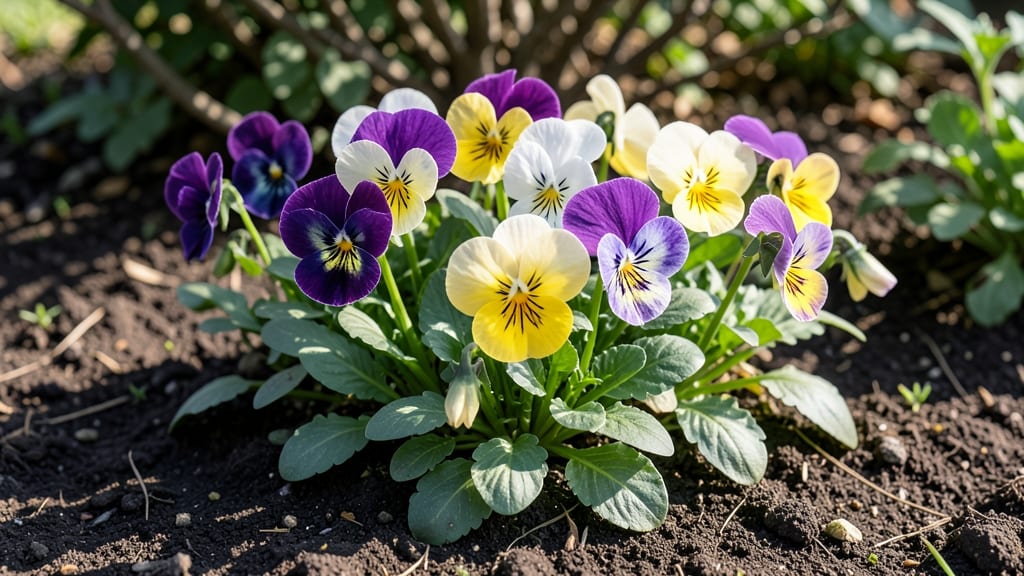
Pansies don't bloom all year in most climates, but they can flower continuously in mild winter zones like USDA 7-10 with proper care and seasonal adjustments.
Pansies are cool-season plants that naturally go dormant during heatwaves or frost, which is why they typically pause blooming in summer or winter. 🌸 In warmer climates like Southern California or Florida, they might produce sporadic flowers year-round, but consistent blooms require specific conditions—like afternoon shade in summer and protection from hard freezes.
The key is understanding their seasonal needs: they need cooler temperatures (50-70°F) to thrive and will often stop flowering when temperatures exceed 80°F.
For gardeners in colder zones, the solution lies in strategic planting and maintenance. I've found that deadheading spent blooms encourages new flowers, while mulching in winter preserves root health. In heat-prone areas, providing afternoon shade with taller plants or shade cloth can trick pansies into continuing their display.
The secret isn't forcing year-round blooms but creating optimal conditions for their natural cycles.
💡 In This Article
- Climate Zones Where Pansies Flower Year-Round
- Tips to Extend Pansy Blooms Beyond Their Natural Season
Climate zones where pansies flower year-round
Pansies (Viola × wittrockiana) are temperature-sensitive plants that naturally follow seasonal cues. Their blooming cycles are triggered by cool temperatures between 50-70°F, which is why they flourish in spring and fall but often go dormant in summer heat or winter frost.
The science behind this involves their photoperiod sensitivity—they detect day length changes that signal seasonal shifts. In USDA zones 7-10, where winters are mild and summers rarely exceed 85°F, pansies can maintain near-continuous blooming because they avoid extreme temperature stress.
The key difference between zones lies in frost exposure. In USDA zones 7-9, pansies often survive winter with minimal protection, while zone 10's consistent warmth allows them to bloom year-round without dormancy.
For example, in San Diego (zone 10), pansies planted in partial shade may produce flowers every 3-4 weeks, whereas in Atlanta (zone 7b), they'll pause blooming during summer heatwaves but rebound in fall.
The critical threshold is 32°F—frost triggers dormancy, while prolonged 90°F+ temperatures cause wilting and flower drop.
What most gardeners don't realize is that pansies have two distinct blooming phases: the primary flush in spring and a secondary one in fall. In optimal zones, these phases blend together, creating the illusion of year-round blooms.
For instance, in Austin, Texas (zone 8a)September might bloom through December, then restart in March after winter chills. The secret is planting successive batches every 6-8 weeks to maintain color.
Heat stress is the primary reason pansies fail to bloom continuously. When temperatures exceed 80°F, their metabolic processes shift from flowering to survival, causing buds to abort. This is why afternoon shade is crucial in hotter zones—it can lower leaf temperatures by 10-15°F.
In contrast, winter dormancy in colder zones (below USDA 7) is inevitable due to frost sensitivity, but light mulching (2-3 inches) can preserve roots and allow earlier spring blooming.
Consider these zone-specific patterns when planning:
- Zones 7-8: Pansies bloom 8-10 months/year with proper deadheading and shade
- Zone 9: Year-round blooms possible with 50% shade in summer
- Zone 10: Continuous blooming if planted in partial shade and watered weekly
The most successful year-round displays come from combining proper zone selection with microclimate management—like planting near north-facing walls or using shade cloth during peak heat. 🌿