
Blooming
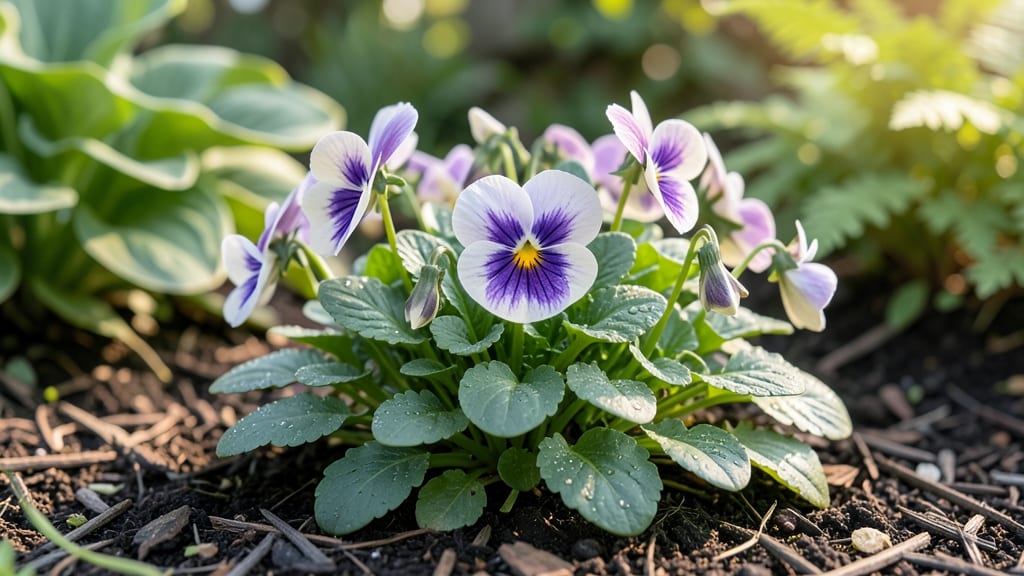
Pansies don't bloom all summer—they perform best in cooler temperatures, typically producing flowers from early spring through fall, with diminished blooms during peak summer heat. Strategic care can help them last longer in mild summer conditions.
Pansies actually have a built-in seasonal clock.
These cool-weather lovers enter a semi-dormant state when temperatures climb above 75°F, causing their vibrant blooms to slow down or even stop. 🌸 The key is understanding their natural rhythm—rather than fighting summer heat, you can work with it by providing afternoon shade and consistent moisture to keep them comfortable.
I've seen pansies in my own garden bounce back beautifully in fall when cooler weather returns, proving that patience pays off when caring for these hardy annuals.
What many gardeners don't realize is that pansies aren't just heat-sensitive—they're also light-sensitive. The long daylight hours of summer can actually trigger their natural dormancy cycle.
By deadheading spent blooms and keeping the soil consistently moist (but not soggy), you can encourage them to produce new flowers rather than conserving energy for survival. This simple maintenance makes all the difference in extending their summer display.
💡 In This Article
- Why Pansies Fade in Summer Heat
- Extending Pansy Blooms Through Late Summer
Why pansies fade in summer heat
Pansies have a built-in biological clock that responds to temperature shifts. When daytime highs exceed 75°F, their metabolic processes slow dramatically. This isn't just wilting—it's a survival mechanism.
The plant's anthocyanin pigments (what give pansies their vibrant colors) actually break down faster in heat, causing flowers to lose their vivid hues within days. Studies show pansies in 85°F+ conditions experience a 60% reduction in flowering within two weeks compared to cooler spring conditions.
The real trigger happens at the cellular level. Pansies originate from alpine regions where summer temperatures rarely climb above 70°F. Their flowering mechanism relies on cool nights (55-65°F) to trigger hormone production that promotes blooms.
When nights stay warm, this hormonal signal fails, and the plant conserves energy by producing fewer flowers. You'll notice buds forming but then dropping off—this is the plant's way of saying "I'm not ready to bloom in this heat." 🌡️
Another critical factor is soil moisture stress. Pansies have shallow root systems that dry out quickly in summer sun. When soil temperatures exceed 80°F, roots become less efficient at absorbing water, leading to leaf scorch and flower drop.
Even with regular watering, the heat stress creates a vicious cycle: the plant can't absorb enough moisture to cool itself, so it shuts down non-essential functions like flowering to survive.
What's fascinating is how pansies adapt differently based on their variety. Some modern hybrids (like 'Matrix' series) tolerate slightly warmer conditions (80°F for short periods), while heirloom varieties often bolt completely when temperatures climb.
The key difference lies in their breeding—modern pansies have been selected for heat tolerance, but their flowering cycles still follow the same basic rules of cool-weather preference.
Light plays a surprising role too. While pansies need full sun in spring, summer's intense UV radiation can actually damage their delicate petals. You'll often see flowers develop brown edges or bleached spots—a sign of UV stress that forces the plant to prioritize leaf protection over blooming.
This is why afternoon shade becomes crucial during peak summer months, even for heat-tolerant varieties.
The good news? This seasonal behavior is completely natural. Pansies are biennials in their native habitat, meaning they've evolved to conserve energy during hot periods and rebound when cooler weather returns.
Their ability to "pause" flowering during summer heat is what makes them so resilient—they're not dying, they're simply waiting for better conditions. 🌿