
Blooming
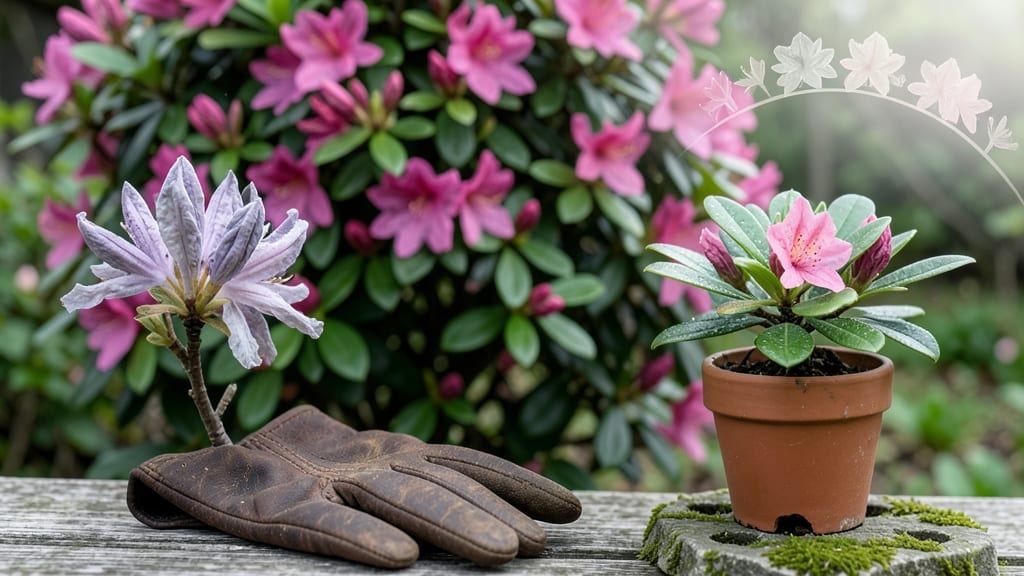
Azaleas bloom every year only if they're reblooming varieties like 'Encore' or 'Southern Indica,' which flower twice annually. Most azaleas produce one spring bloom cycle but need proper sunlight, pruning, and soil conditions to ensure consistent flowering each season.
Most azaleas follow a natural cycle where they store energy during dormancy to fuel spring blooms. 🌸 The timing of daylight and temperature shifts triggers their flowering—too much stress or improper care can disrupt this process.
For example, late spring pruning or overwatering might delay blooms, while consistent care helps maintain their seasonal rhythm. I've seen azaleas skip flowering entirely when planted in overly alkaline soil or shaded areas, so testing your soil pH and providing partial sun exposure makes a big difference.
Reblooming varieties stand out because they've been bred to produce two flower cycles—once in spring and again in summer or fall. These plants need extra attention: regular feeding with acid-loving plant fertilizer and careful pruning after each bloom cycle to encourage new growth.
If you're in a warmer climate, consider 'George Lynn' or 'Hino Crimson'—both are reliable rebloomers that thrive with proper care.
💡 In This Article
- Why Most Azaleas Bloom Only Once Per Year
- How to Encourage Azalea Reblooming and Year-Round Flowers
Why most azaleas bloom only once per year
Azaleas follow a biological cycle where they store energy during dormancy to fuel their spring blooms. This process begins in late summer when the plant enters a rest period, conserving nutrients in its roots and stems.
The key trigger for flowering is the combination of daylight hours (photoperiod) and temperature shifts—typically, cooler winter temperatures followed by increasing daylight in early spring signal the plant to produce buds. Without this precise environmental cue, the azalea may delay or skip flowering entirely.
The flowering cycle relies heavily on stored carbohydrates, which act like a battery for the plant. If an azalea experiences stress—such as drought, poor soil conditions, or improper pruning—it may divert energy to survival rather than blooming.
For example, a sudden heatwave in late winter can confuse the plant's internal clock, causing buds to drop before opening. Similarly, overwatering or compacted soil restricts root growth, reducing the plant's ability to store enough energy for blooms. 🌱
Most azaleas are deciduous, meaning they drop their leaves annually to conserve energy. This shedding is part of their natural rhythm, allowing them to focus resources on root and bud development.
The buds form in late summer and early fall, but they remain dormant until spring's warming temperatures and longer daylight hours trigger their opening. This is why you'll often see azaleas with buds that never open—either due to late-season frost or insufficient energy storage.
Environmental factors like soil pH and sunlight exposure play critical roles. Azaleas thrive in acidic soil (pH 4.5-6.0), and alkaline conditions can stunt growth, leading to fewer or weaker blooms.
Partial shade (4-6 hours of sunlight daily) is ideal—too much sun can stress the plant, while too little reduces photosynthesis, limiting energy for flowers. I've noticed that azaleas in full shade often produce sparse blooms, while those with morning sun and afternoon shade perform best.
Another factor is the plant's age. Younger azaleas may take 2-3 years to mature enough for their first bloom, while older plants (over 10 years) may produce more abundant flowers. The first flush of blooms in spring is the most reliable, as the plant prioritizes this cycle.
Any additional blooms later in the year are secondary and require extra care to encourage.
Reblooming varieties, like 'Encore' or 'Southern Indica,' are exceptions because they've been selectively bred to produce a second flush of flowers. These plants require more consistent care—such as regular feeding with acid-loving fertilizer and precise pruning—to sustain two bloom cycles.
For non-rebloomers, the focus should be on maintaining the plant's health year-round to ensure a strong spring display.