
Blooming
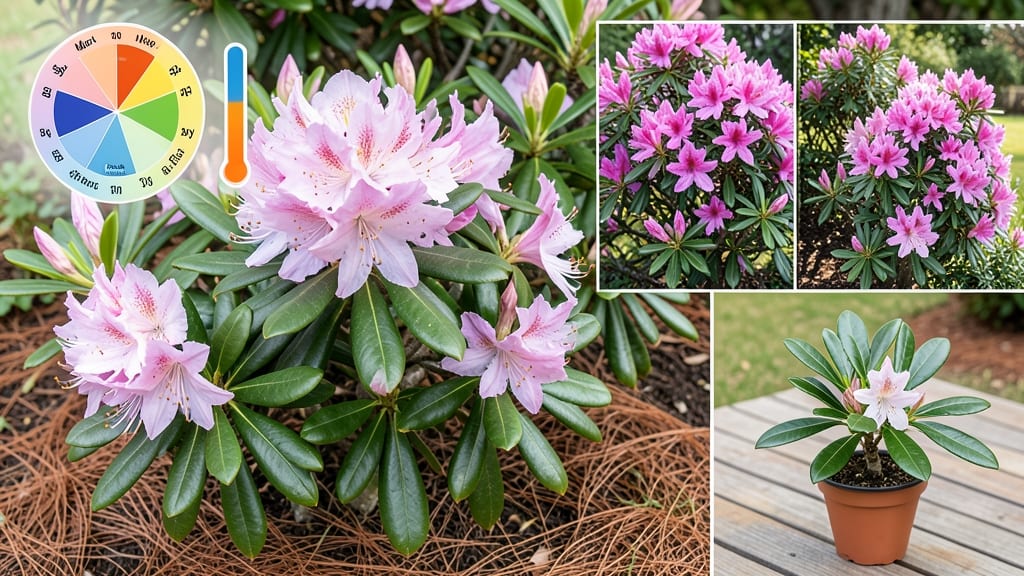
Azaleas don't bloom all year; most types produce vibrant flowers in spring for just 2–6 weeks, though evergreen azaleas in warm climates and specially bred reblooming varieties can keep flowering into summer. Their seasonal cycles are controlled by cold dormancy periods, but you can influence bloom length with pruning and plant selection.
Azaleas are famously seasonal, with their blooming periods tightly linked to temperature shifts and daylight changes. 🌸 The two exceptions—evergreen azaleas in mild zones (like USDA 8–9) and hybrid cultivars bred for reblooming—break the pattern by producing flowers in late spring or even summer.
For example, 'Southern Indica' azaleas often deliver a second flush of blooms in fall.
The key to extending their display lies in understanding their natural rhythms: most varieties need a cold winter dormancy to reset their flowering cycle, while strategic pruning right after blooms fade can encourage new growth for a longer show.
What many gardeners don't realize is that even non-reblooming azaleas can sometimes produce scattered flowers outside their main season if conditions are just right.
A warm winter might trick some varieties into a late spring bloom, while consistent moisture and balanced fertilizer (like a 10-10-10 mix) can help sustain flowers longer. The trade-off? Over-fertilizing can lead to lush foliage at the expense of blooms, so moderation is key.
For those in cooler climates, selecting cold-hardy reblooming types like 'Encore' series azaleas can be a game-changer.
💡 In This Article
- Why Azaleas Follow Seasonal Bloom Cycles
- How to Extend Azalea Blooms Beyond Spring
Why azaleas follow seasonal bloom cycles
Azaleas bloom seasonally because their flowering is tightly regulated by a combination of temperature cues and hormonal signals. During winter, most azalea varieties enter a period of dormancy triggered by consistent temperatures below 40°F (4°C) for at least 4-6 weeks.
This cold exposure helps reset their biological clock, a process known as vernalization, which primes the plant for spring blooming. The key hormone involved is florigen, a protein produced in leaves when day length increases in late winter, signaling the plant to shift from vegetative growth to flower production.
Daylight hours also play a critical role. Azaleas are short-day plants, meaning they respond to decreasing daylight in fall and increasing light in spring.
In USDA hardiness zones 7-9, where winters are mild, evergreen azaleas often bloom later or even produce a second flush because they don't experience the same intense cold dormancy requirements.
For example, 'Formosa' azaleas in zone 8 might bloom in late spring and again in fall, while their counterparts in zone 5 would need a full winter chill period to reset. The trade-off? Without proper dormancy, some varieties may produce fewer blooms or weaker growth over time.
Here's what happens biologically: After flowering, azaleas enter a recovery phase where they focus on leaf and root growth rather than flower buds. This is why most varieties need 6-8 weeks of rest after blooming before they'll produce another flush.
The exception is reblooming cultivars like 'Southern Indica', which have been genetically modified to produce florigen more consistently throughout the growing season. These varieties can produce flowers in late spring or early summer if given proper care, but they still require some winter chill to perform at their best.
Climate zone matters because temperature directly affects flower bud formation. In USDA zone 10, where winters rarely drop below 30°F (-1°C), azaleas may bloom sporadically year-round, but the flowers tend to be smaller and less vibrant.
The ideal scenario for extended blooms occurs in zones 7-9, where winters are cool enough to trigger dormancy but not so harsh that they damage the plant. This balance allows evergreen azaleas to produce multiple bloom cycles when conditions are favorable.
What most gardeners overlook is how soil temperature affects root activity. Azalea roots prefer 60-65°F (15-18°C) for optimal growth, and when soil stays too cool (below 50°F/10°C), the plant conserves energy by delaying flowering.
This is why azaleas in northern climates often bloom later than those in the South—warmer soil temperatures in milder zones kickstart growth earlier in spring. The same principle applies to fall blooming: cooler soil temperatures in late summer can trigger flower bud formation for a second flush.
For those wondering why some azaleas bloom in summer while others don't, the answer lies in their genetic makeup. Reblooming varieties have been selectively bred to produce continuous florigen signals, while single-bloom types have a more pronounced seasonal shutdown.
The science shows that even with ideal conditions, most azaleas can't maintain continuous blooming because their energy reserves would be depleted. The two- to three-flush maximum seen in evergreen types represents a carefully balanced compromise between flower production and plant health.