
Blooming
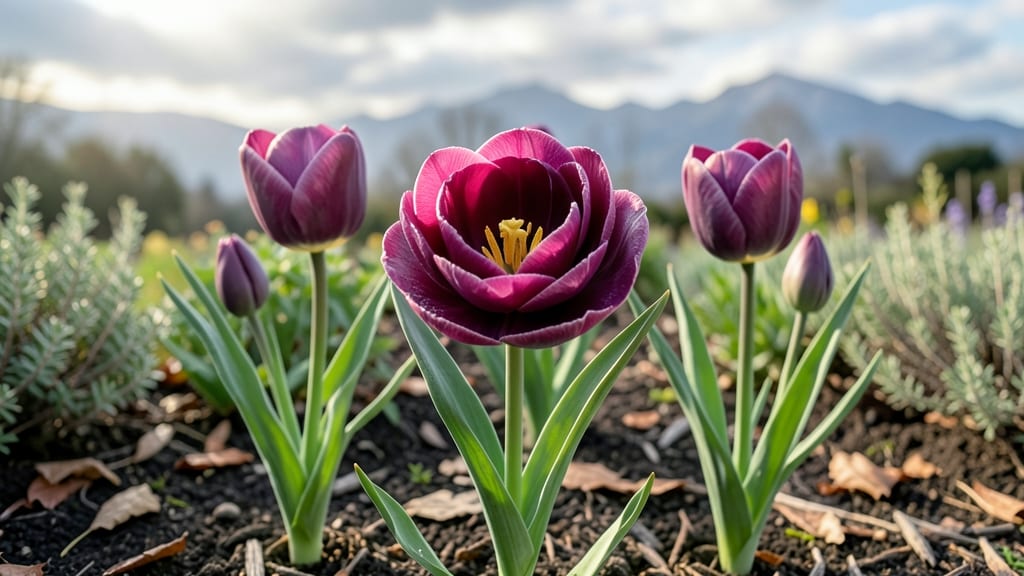
Double bloom tulips transform your spring garden into a purple cloud of velvety petals—twice in one season. 🌸 The secret isn’t just planting them right; it’s triggering that second flush of blooms with heat, sunlight, and a few clever tricks most gardeners miss.
Start with well-draining soil mixed with compost, and plant bulbs 6 inches deep in fall. Choose a spot with full sun (6+ hours daily) and shelter from strong winds—this combo encourages sturdy stems that support those heavy double blooms.
Water deeply after planting, then let nature handle the rest until spring. By summer, you’ll see the first wave of blooms, but the real magic happens when you stop deadheading and keep the foliage alive. Let those leaves turn brown naturally—they’re feeding the bulbs for next year’s show.
A light application of balanced fertilizer in early fall gives them the boost they need to rebloom. This method works in zones 3-8, even in containers. The key is patience—your first rebloom might be modest, but each year gets better. Ready to turn your garden into a tulip paradise?
📚 In This Guide
- What you need
- Instructions
- Tips and common mistakes
- Wrapping up and next steps
What you need
- ● Double Bloom Tulip Bulbs: High-quality, disease-resistant bulbs (e.g., 'Queen of Night' or 'Purple Prince'). Quantity: 10–20 bulbs per 100 sq. ft. for a lush display.
- ● Well-draining soil: Mix of garden soil, compost (20–30%), and perlite/sand (10–20%) to prevent rot.
- ● Organic fertilizer: Balanced 10-10-10 or tulip-specific formula (e.g., Espoma Tulip-Tone). Apply: 2 tbsp per bulb at planting.
- ● Mulch: 2–3 inches of straw or shredded leaves to retain moisture and insulate roots.
- ● Garden trowel or bulb planter (for precise planting depth: 6–8 inches).
- ● Garden fork or aerator (to loosen compacted soil before planting).
- ● Watering can or hose with gentle spray nozzle (avoid soaking bulbs).
- ● Pruners (for deadheading spent blooms post-first bloom).
- ○ Thermometer (optional) (to monitor soil temps for heat-triggered rebloom cues).
- ● Full sun exposure: 6+ hours of direct sunlight daily.
- ● Cold stratification: Bulbs need 6–8 weeks of winter chilling (below 40°F/4°C).
- ● Heat trigger: Warm spring/summer days (70–80°F/21–27°C) to stimulate second bloom.
- ● Patience: Rebloom may take 2–3 years to fully establish!
Step-by-step instructions for growing double bloom tulips
Here's how to coax those stunning purple spikes into reblooming year after year with minimal fuss.
🌱 Step 1: Select and Prepare the Right Bulbs
Choose double bloom tulip varieties like 'Queen of Night' or 'Purple Prince'—these are bred to rebloom when given the right conditions. I always buy bulbs from reputable suppliers in early fall, when they're still firm and free of soft spots. Plant them 6-8 inches deep in well-draining soil with organic matter mixed in.
This depth ensures roots have space to establish while protecting bulbs from winter freeze-thaw cycles. If your soil is heavy clay, amend it with 1-2 inches of compost per hole. The key here is drainage—waterlogged bulbs rot faster than you'd think. I like to add a handful of perlite to each planting hole for extra insurance.
☀️ Step 2: Plant in Full Sun with Strategic Summer Care
Tulips need 6+ hours of direct sun daily, but the rebloom magic happens when you let the foliage yellow completely after the first bloom. This stores energy in the bulb for next year's flowers. I plant mine in late September to early October, when soil temps are 50-60°F—this gives roots time to establish before winter.
Here's the trick: After the first bloom fades, stop deadheading. Let the stalk remain until the leaves turn brown and crispy. This might look messy, but it's how you trigger reblooming. If you cut back too soon, you'll break the cycle and lose next year's flowers.
💧 Step 3: Water and Fertilize for Rebloom Success
Water deeply once a week during the growing season, aiming for 1 inch of water per week. Double bloomers need consistent moisture but hate soggy soil. I use a soaker hose to deliver water at the base without wetting the foliage—this prevents fungal diseases that can weaken bulbs.
Feed bulbs in early spring with a balanced 10-10-10 fertilizer at half-strength. Then, after the first bloom, apply a high-phosphorus 5-10-5 fertilizer to encourage strong root and bulb development. This two-step feeding is what makes the difference between one bloom and two.
⏰ Step 4: Time Your Summer Dormancy Period
The secret to reblooming lies in summer dormancy. Once foliage turns yellow and dies back completely, reduce watering to every 3-4 weeks until fall. This mimics natural conditions and forces the bulb to rest. I mark my calendar for mid-July—that's when I start tapering off water.
Don't be tempted to water during this period. The goal is to let the bulb dry out slightly, which triggers the internal processes that produce next year's flowers. You'll know you've got it right when new shoots appear in late winter—those are your future blooms.
✂️ Step 5: Prune and Protect for Next Year's Blooms
After the second bloom fades, cut the stalk back to 1 inch above the soil line. This keeps the garden tidy while allowing energy to return to the bulb. I always leave the dead foliage in place until it disintegrates naturally—this adds organic matter back to the soil.
For winter protection, add 2-3 inches of mulch around the planting area once ground temps drop below 32°F. This insulates bulbs from extreme cold and prevents heaving. In spring, remove the mulch as soon as new shoots appear to prevent rot.
Tips & tricks for perfect double bloom tulips
These gardening secrets will help you transform single-bloom tulips into vibrant, repeat-flowering stars—without the guesswork.
Bulb Selection Matters: Not all tulips rebloom! Focus on proven double-bloom varieties like 'Queen of Night' or 'Purple Prince'—these are specifically bred for this trait. I always check for firm, plump bulbs with no soft spots or mold. The size matters too: aim for bulbs at least 2 inches in diameter for stronger, more reliable reblooming.
The Soil Secret: Your tulips' success hinges on drainage. If your soil is heavy clay, mix in 1-2 inches of compost and a handful of perlite per planting hole. This creates the perfect airy environment that prevents rot. I've seen tulips fail in soggy soil even when all other conditions were perfect—don't skip this step!
Fertilizer Timing is Critical: The two-step feeding in Step 3 is non-negotiable. First, use a 10-10-10 balanced fertilizer at half-strength in early spring to kickstart growth. Then switch to a 5-10-5 high-phosphorus formula after the first bloom to build energy reserves for reblooming. I've tried skipping this second feeding—big mistake! The second bloom was noticeably weaker.
Visual Cues for Summer Dormancy: When foliage turns completely yellow and crispy by mid-July, that's your cue to reduce watering. The goal is to let bulbs dry out slightly—think of it like a controlled drought. You'll know you've succeeded when you see those first green shoots in late winter, signaling next year's flowers are already forming.
Pro Tips for Double Bloom Tulips
- These gardening secrets will help you transform single-bloom tulips into vibrant, repeat-flowering stars—without the ...
- Bulb Selection Matters: Not all tulips rebloom! Focus on proven double-bloom varieties like 'Queen of Night' or 'Purp...
- The Soil Secret: Your tulips' success hinges on drainage. If your soil is heavy clay, mix in 1-2 inches of compost an...
Frequently asked questions
Why do double bloom tulips sometimes only bloom once?
Double bloom tulips often only bloom once because they need specific conditions—like consistent heat—to trigger a second bloom. If temperatures drop too early or soil nutrients are low, they may skip the rebloom. Focus on well-draining soil, balanced fertilizer (high in phosphorus), and patience—some varieties take 2-3 years to reliably rebloom!
How long does it take for double bloom tulips to rebloom?
Reblooming usually happens 6-8 weeks after the first bloom, but timing depends on climate. In cooler zones (3-7), expect a late spring/early summer rebloom. In warmer areas (8+), they may bloom in fall instead. Key tip: Deadhead the first bloom to encourage the second!
Can I force double bloom tulips indoors like regular tulips?
Not easily! Double bloom tulips are bred for outdoor reblooming, not forced blooms. Their second bloom relies on natural heat cycles. If you try indoor forcing, you’ll likely only get one weak bloom. Stick to outdoor planting for the best results—they’re worth the wait!
What if my double bloom tulips don’t rebloom at all?
Check these common issues:
- Poor soil: Amend with compost and bone meal for phosphorus.
- Overcrowding: Divide bulbs every 3-4 years for better airflow.
- Inconsistent water: Keep soil moist but not soggy during growth.
- Wrong variety: Some "double bloom" labels are misleading—opt for Darwin Hybrid or Parrot tulips for reliability.
Are there alternatives to double bloom tulips for repeat blooms?
Yes! If double bloomers seem high-maintenance, try these low-effort rebloomers:
Variety
Bloom Time
Care Level
Fosteriana tulips
Early spring + occasional summer
Easy (drought-tolerant)
Species tulips (T. clusiana)
Spring + late fall
Very low (wildflower-like)
Allium (ornamental onions)
Summer (no rebloom, but long-lasting)
Nearly foolproof
Pro tip: Mix these with double bloomers for a season-long purple-and-white display!
Wrapping up and next steps
Double bloom tulips are a gardener’s dream—bursting with vibrant purple spikes twice a year with the right care! 🌸 By mastering heat-triggered rebloom techniques, you’ll enjoy nonstop blooms and turn your garden into a showstopper. Remember: patience, proper soil, and strategic feeding are your secret weapons.
Ready to transform your garden? Start by planting your bulbs this fall—then watch the magic unfold next spring! Happy gardening! 🌱✨