
Blooming
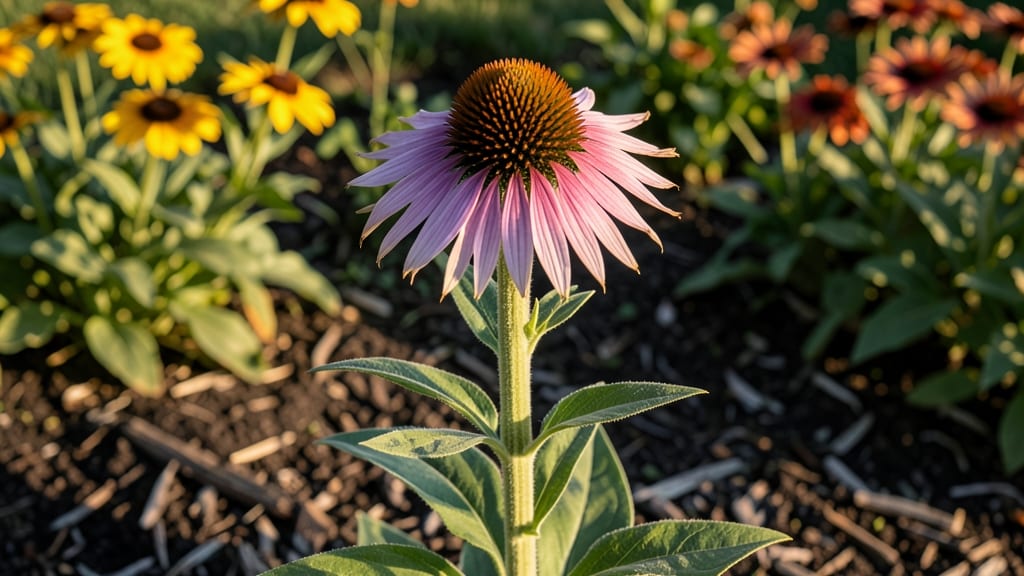
Perennial flowers that bloom in summer include heat-loving varieties like coneflowers, black-eyed Susans, and daylilies, delivering vibrant colors and extended blooming periods from June through August with consistent care.
These hardy plants aren't just survivors—they actively thrive in summer's intensity. 🔥 Their deep root systems tap into moisture while their waxy foliage reduces water loss, creating a perfect balance for hot climates.
I've noticed that varieties like purple coneflower and Russian sage often reward gardeners with second blooms later in the season when properly maintained. The key is matching each plant's specific sunlight needs—some prefer full sun while others tolerate partial shade—while maintaining consistent moisture without overwatering.
For best results, I recommend planting most summer perennials in early spring or fall, giving roots time to establish before extreme heat arrives. A layer of mulch helps retain soil moisture while suppressing weeds, which is particularly helpful during dry spells.
When it comes to care, regular deadheading (removing spent blooms) encourages continuous flowering, while a balanced fertilizer applied in early summer provides the nutrients needed for strong growth.
💡 In This Article
- Why These Perennials Thrive in Summer Heat
- Planting and Care Timeline for Maximum Summer Blooms
Why these perennials thrive in summer heat
Summer-blooming perennials like coneflowers and blanket flowers have evolved sophisticated drought tolerance mechanisms. Their deep taproots can reach 3-5 feet underground, accessing moisture far below the surface where evaporation is minimal.
This adaptation allows them to survive extended dry periods that would stress shallow-rooted annuals. 🔥 The foliage often features waxy coatings or fine hairs that reduce water loss through transpiration, similar to how cacti conserve moisture in desert environments.
Heat resistance extends to their blooming cycles, which are actually triggered by long daylight hours rather than temperature alone. Plants like Russian sage and lavender produce more flowers when exposed to 6-8 hours of direct sunlight daily, a common condition during summer.
Their flower structures also contain heat-reflective pigments that prevent wilting—notice how many summer perennials have silvery or gray-green leaves that bounce sunlight away from sensitive tissues. The deep purple hues of coneflowers, for instance, contain anthocyanins that act as natural sunscreens for plant cells.
What most gardeners don't realize is how these plants manage their energy during heatwaves. Many summer perennials enter a semi-dormant state during peak afternoon temperatures, slowing metabolic processes to conserve water.
This is why you'll often see them drooping slightly in midday heat but perking up again in the cooler evening. 🌞 Their root systems continue working underground while the above-ground growth temporarily conserves resources—a survival strategy that makes them ideal for hot climates.
Soil temperature also plays a crucial role in their performance. Most summer perennials prefer soil temperatures between 65-75°F, which is why planting in well-draining soil with added organic matter helps maintain optimal growing conditions.
The organic matter breaks down slowly, providing a steady release of nutrients that supports continuous blooming throughout the season. Unlike many annuals that bolt (go to seed) under stress, these perennials channel their energy into producing more flowers rather than setting seed.
Consider the blanket flower (Gaillardia) as a prime example—its bright red and yellow blooms thrive in full sun and poor soils, often flowering from June through October with minimal care.
The secret lies in its ability to photosynthesize efficiently even at high temperatures, thanks to specialized leaf structures that maximize light absorption while minimizing water loss. This makes it perfect for sunny garden edges where other plants might struggle.
For gardeners in particularly hot regions, selecting native varieties offers the best heat tolerance. Native plants have co-evolved with local climates, developing genetic adaptations that make them more resilient than introduced species.
For instance, the black-eyed Susan (Rudbeckia) native to North America handles summer heat far better than some European varieties that might require more frequent watering. 💫