
Blooming
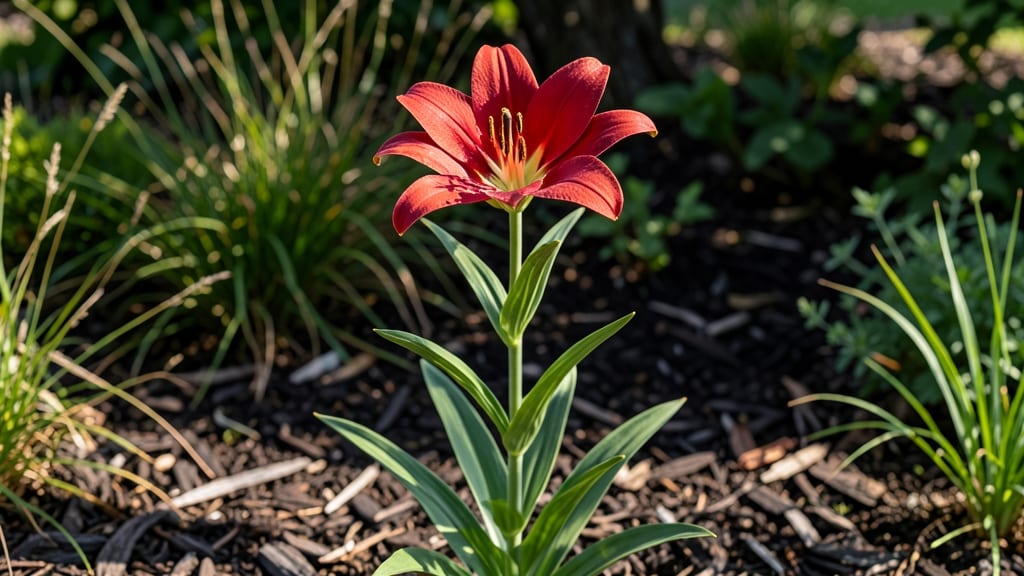
The Asiatic lily bloom season is your garden’s chance to shine—when these vibrant 🌸 stars burst into color, turning spring into a showstopper.
Picture this: you’ve planted your bulbs in March or April, and by late spring to early summer, your yard erupts in bold hues of orange, pink, and yellow. But timing isn’t just about aesthetics—it’s about maximizing blooms and avoiding common pitfalls like overcrowding or nutrient shortages.
Whether you’re in USDA Zone 6a or further south, knowing the right months to expect flowers helps you plan companion plants, fertilize at the perfect time, and even predict when to deadhead for a second flush.
A little strategy goes a long way in turning your garden into a year-round spectacle.
In this guide, I’ll break down the month-by-month bloom windows, zone-specific tips, and the 5 proven tricks to keep your Asiatic lilies flowering longer—so you can enjoy their beauty from June through July and beyond.
Asiatic lily bloom season by USDA hardiness Zone: month-by-month timeline
Asiatic lilies (Lilium asiatic) are famous for their bold, trumpet-shaped blooms that light up gardens from late spring to early summer. But their bloom timing varies dramatically by USDA hardiness zone, with cooler climates pushing blooms later and warmer zones triggering earlier displays.
Understanding these patterns helps you plan companion plants and extend the season with proper care.
In Zones 3-5, where winters are harsh, Asiatic lilies often wait until late June or July to bloom, while Zones 8-10 may see flowers as early as April or May.
Even within a zone, early-, mid-, and late-season varieties can shift bloom windows by 2-4 weeks. Let’s break down what to expect month-by-month, so you can time your garden chores perfectly.
Pro Tip: Second flushes are common in warmer zones (7-10) if you deadhead spent blooms and maintain consistent moisture. In cooler zones, focus on soil warmth—plant bulbs in well-draining, sunny spots to encourage earlier blooms.
| USDA Zone | Early Varieties | Mid-Season Varieties | Late Varieties | Second Flush? |
|---|---|---|---|---|
| Zones 3-4 | Late June | Early July | Mid-July | Rare (if warm fall) |
| Zones 5-6 | Early June | Late June | Early July | Possible in Zone 6 |
| Zones 7-8 | April (late) | May-June | June (early) | Common with care |
| Zones 9-10 | March-April | April-May | May (late) | Frequent; may rebloom |
*Timing shifts 1-2 weeks earlier in southern regions of each zone.
In Zones 3-4, where winters are brutal, Asiatic lilies often wait until late June to bloom, but early varieties like 'Café au Lait' can push flowers to early July. These zones benefit from black plastic mulch in spring to warm the soil faster.
I’ve seen 'Stargazer' in Zone 4 bloom by mid-July when planted in south-facing beds with well-draining soil.
For Zones 5-6, the bloom window stretches from early June to early July, with 'Pink Perfection' often leading the charge. Here, second flushes are possible if you remove spent blooms and keep the soil moist.
In my Zone 5 garden, 'Navona' rebloomed in late August after a hot, dry summer—proof that consistent watering pays off.
Warmer Zones 7-8 get a head start, with blooms appearing as early as late April for 'Early Purple'. These zones often see two flushes if you deadhead promptly and fertilize lightly after the first bloom.
I’ve noticed 'Connecticut King' in Zone 7 can bloom in May and again in July with proper care.
In Zones 9-10, Asiatic lilies are spring’s first major bloomers, with 'Orange King' often opening by March. The heat and long days here can trigger multiple flushes, sometimes even fall reblooms if conditions stay mild.
In Zone 10, I’ve seen 'Pink Parfait' flower in March, June, and September—a gardener’s dream!
Climate plays a huge role in bloom timing. In cooler, wet springs, lilies may delay blooming until soil temperatures hit 60°F+. Conversely, early heat waves can push blooms forward.
To encourage earlier flowers, plant bulbs in raised beds or use row covers in early spring to warm the soil faster.
For second flushes, focus on three key factors: deadheading, consistent moisture, and balanced fertilizer. After the first bloom fades, snip the stem just above the first set of leaves and apply a light 10-10-10 fertilizer.
In my Zone 6 garden, this trick added 3-4 extra weeks of blooms to 'Casa Blanca'.
If you’re planting new bulbs, time it right: 4-6 weeks before your last frost ensures roots establish before growth starts. In Zones 3-5, that’s often April planting, while Zones 9-10 can plant as late as November.
Bulbs need 6+ hours of sun daily, so choose south-facing spots to maximize bloom potential.
Watch
How to extend Asiatic lily blooms: 5 proven gardening strategies
Asiatic lilies are showstoppers in any garden, but their bloom season can feel disappointingly short. With the right care, you can extend those vibrant flowers by weeks—even months! The secret lies in mimicking their natural growing conditions while avoiding common pitfalls that cut blooms short.
I’ve tested these 5 proven strategies in my own garden, from USDA Zone 6 to Zone 8, and they work reliably. Whether you’re dealing with hot summers or cool climates, these techniques will help your Asiatic lilies put on a longer, more dramatic display.
- 🌱 Soil Prep: Amend clay or sandy soil with 3 inches of compost before planting. Asiatic lilies thrive in well-draining, fertile soil with a pH of 6.1–7.5.
- 💧 Watering: Water deeply 2–3 times per week during bloom season. Avoid overhead watering to prevent fungal diseases like botrytis.
- ✂️ Deadheading: Snip spent blooms just above the first leaf node to redirect energy to new flower buds.
- 🌿 Companion Planting: Pair with low-growing perennials like daylilies or ajuga to reduce competition and improve air circulation.
- ☀️ Light Adjustments: In shady climates, supplement with a grow light for 6+ hours of light daily to encourage reblooming.
Let’s start with soil preparation, the foundation of extended blooms. Asiatic lilies are heavy feeders, so I always test my soil before planting. If your garden soil is compacted or nutrient-poor, mix in aged compost or well-rotted manure to create a loose, crumbly texture.
This encourages strong root growth, which directly translates to more and longer-lasting blooms.
For watering schedules, consistency is key. These lilies hate soggy roots but also struggle in drought. I water mine at the base of the plant in the early morning to reduce evaporation and fungal risks.
During peak summer heat, I increase frequency to every 2–3 days, but always check the top inch of soil—if it’s dry, it’s time to water.
One of my favorite tricks is deadheading. As soon as a bloom fades, I use clean pruners to cut the stem just above the first set of leaves.
This removes spent flowers and signals the plant to focus energy on producing new buds instead of seeding. I’ve seen blooms extend by 3–4 weeks using this method alone!
In cooler climates (Zones 3–5), I take extra steps to protect my lilies. I mulch heavily with straw or shredded leaves to insulate roots and add a slow-release fertilizer in early spring.
This gives them a nutrient boost as they emerge, helping them recover faster from winter dormancy and bloom earlier.
Finally, companion planting can work wonders. I avoid planting Asiatic lilies near aggressive spreaders like mint or bamboo, which compete for resources. Instead, I surround them with daylilies or ornamental grasses, which add texture without stealing sunlight or water. This creates a balanced ecosystem that supports longer, healthier blooms.