
Blooming
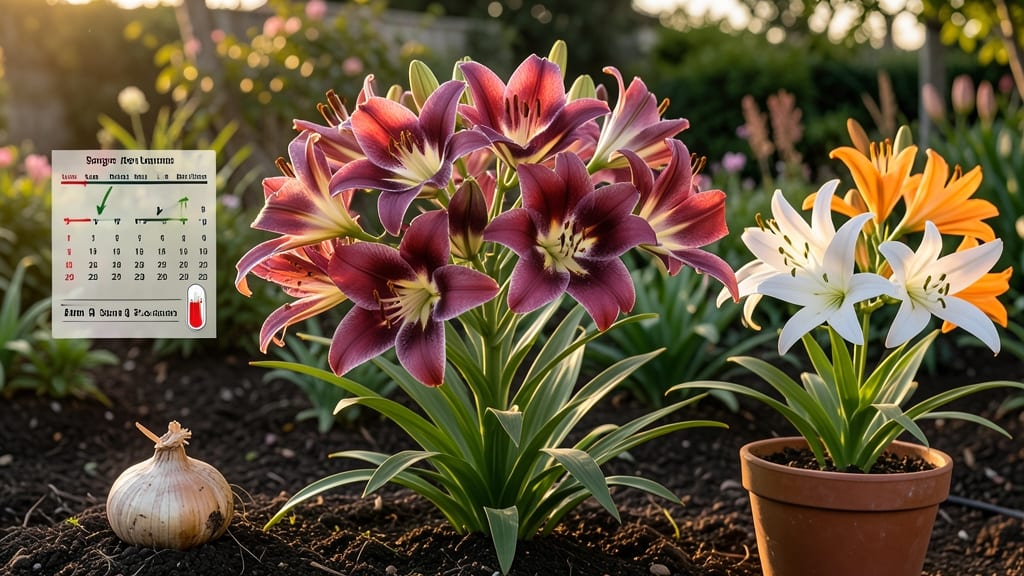
Lilies don't bloom all year—they follow seasonal cycles, typically producing flowers in late spring to summer. However, two exceptions, like the Daylily (Hemerocallis) and Reblooming Lily hybrids, can generate multiple bloom cycles per season with proper care.
Most lilies are hardwired to respond to environmental cues like daylight length and temperature shifts. 🌸 These seasonal triggers force them into dormancy during colder months, conserving energy until conditions are ideal again.
Even reblooming varieties need consistent care—think of it as coaxing nature to extend its show rather than forcing it to perform year-round. The Daylily's resilience comes from its ability to regrow from the same rhizome, while hybrids often carry genetic traits that encourage secondary blooms under optimal growing conditions.
What's fascinating is how location plays a role: in warmer climates like California or Florida, some lilies may bloom sporadically throughout the year, while northern gardeners might only see one main bloom season. This geographic variation means your local growing zone can dramatically affect what's possible in your garden.
💡 In This Article
- Why Lilies Bloom Seasonally: Climate and Growth Patterns
- How to Encourage Reblooming in Lilies: Pruning and Care Tips
Why lilies bloom seasonally: climate and growth patterns
Lilies follow strict seasonal rhythms because they're programmed to respond to two key environmental triggers: temperature fluctuations and daylight hours (photoperiodism). Most species enter dormancy when nights drop below 50°F (10°C), conserving energy until spring's warmth signals new growth.
This biological clock explains why your garden lilies might bloom spectacularly for just 4-6 weeks in late spring or summer before fading.
The photoperiodism effect is particularly fascinating—lilies need 12-16 hours of daylight to trigger flowering.
In northern latitudes, shorter winter days naturally suppress blooming, while southern climates might see extended seasons. 🌿 For example, Asiatic lilies typically bloom in early summer when days are long, while Oriental lilies prefer slightly cooler conditions and may bloom later.
This explains why your neighbor's lilies might flower when yours don't—it's all about local climate matching the species' native growing conditions.
Dormancy isn't just about cold weather—it's a survival strategy. During winter months, lily bulbs focus energy on root development rather than flowering. This underground growth stores nutrients that fuel next year's blooms.
What's surprising is how precise this timing is: research shows lilies can detect temperature changes as small as 2°F (1°C), using this information to time their growth cycles perfectly.
The two exceptions—Daylilies and Reblooming hybrids—have genetic adaptations that override these strict patterns. Daylilies (technically not true lilies) can regrow from the same rhizome multiple times, while reblooming hybrids often carry genes from Martagon or Trumpet lilies, which naturally produce secondary blooms under ideal conditions.
However, even these varieties need consistent moisture and balanced nutrients to perform their seasonal tricks.
Location dramatically affects blooming windows. In USDA Zone 5 (northern climates), lilies might only bloom once, while Zone 9 (southern climates) could see multiple bloom cycles. The key difference is frost-free periods—lilies need at least 120 frost-free days to complete their growth cycle.
This geographic variation explains why some gardeners get year-round color while others see just one spectacular show.
What most gardeners don't realize is that even reblooming lilies have limits. While they might produce two or three bloom cycles in ideal conditions, each subsequent bloom will be slightly less vigorous.
This is because the plant is using stored energy from previous blooms, similar to how a runner might slow down after multiple races. The trade-off between quantity and quality is built into their genetic programming.